Blog

  • The Most Broken Cards in FC 26 (Predictions + Real Examples)

    The Most Broken Cards in FC 26 (Predictions + Real Examples)

    Quick Answer

    FC 26 is expected to include several “broken” cards — players whose pace, dribbling, animations, and meta-friendly traits make them ridiculously overpowered. Based on trends from FC 24 and FC 25, cards like Mbappé, Neymar, Musiala, Valverde, Van Dijk, Hakimi, and certain Evolutions-boosted silvers will likely dominate early and mid-game metas.


    What Makes a Card “Broken” in FC 26?

    A “broken” card is one that performs far above its rating due to:

    • Overpowered pace or acceleration
    • Unique animations (dribbling, shooting, jockeying)
    • Meta body types
    • Hidden in-game stats
    • Evolutions upgrades
    • Perfect chem links
    • Traits that stack with gameplay mechanics

    These cards feel unstoppable no matter who you play against.


    Predicted Most Broken Cards in FC 26

    1. Kylian Mbappé — The Eternal Meta King

    If there’s one guarantee every year, it’s this:
    Mbappé will be broken.

    Expected strengths:

    • 95+ pace
    • Glitchy dribbling animations
    • Auto-acceleration bursts
    • Elite shooting from awkward angles
    • Strength + agility combo nobody else has

    He will be the player everyone fears on Weekend League.


    2. Neymar Jr. — Still the Dribbling Cheat Code

    Even with lower physicality, Neymar always breaks the game.

    Why he’ll be OP again:

    • Five-star skills
    • Unique dribble animations
    • Small meta body type
    • Insane left-stick control
    • “Invisible” silky turns that beat every defender

    Neymar cards always feel better than the stats suggest.


    3. Jamal Musiala — The New-Gen Meta Monster

    Musiala became a meta darling in FC 25 — expect FC 26 to push him even harder.

    Predicted strengths:

    • Elite dribbling
    • Long, glitchy stride animations
    • Great links to Bundesliga teams
    • Perfect CAM/CM versatility
    • Great Evolutions potential

    Musiala is shaping up to be the next big yearly meta player.


    4. Federico Valverde — The Midfield Freight Train

    Every year, Valverde gets a card that feels illegal in midfield.

    Why he’s broken:

    • Incredible pace for a CM
    • Auto-block animations
    • Defensive awareness far beyond his rating
    • Long legs = extended tackle reach
    • Works in every meta formation

    Expect his early gold, promos, and TOTW cards to be elite.


    5. Virgil van Dijk — The Wall That Moves

    Van Dijk’s body type + defending animations make him terrifying.

    Why he’s always OP:

    • Huge tackle radius
    • Dominant strength
    • Bulls players off the ball effortlessly
    • Perfect jockeying animations
    • Aerial dominance bordering on unfair

    Every year he becomes a Weekend League nightmare.


    6. Achraf Hakimi — Pace Merchant Supreme

    Hakimi breaks fullback metas every cycle.

    Expected strengths:

    • 94+ pace
    • Strong tackling animations
    • Perfect overlapping and interception AI
    • Links to PSG players (Mbappé, etc.)

    Even his base gold card will feel like a promo.


    7. Evolutions Meta Cards — The Sleeper Overpowered Picks

    Some of the most broken FC 25 cards came from Evolutions, such as:

    • Silver strikers boosted to 88+
    • Fullbacks turned into elite CDMs
    • Low-rated midfielders turned into monsters

    Prediction:
    FC 26 will again make several low-rated players game-breaking through Evo upgrades.

    Possible OP Evo candidates:

    • Nicolas Jackson
    • Xavi Simons
    • Rayan Cherki
    • Arda Güler
    • Levi Colwill

    These will dominate early meta squads.


    Real Examples of Historically Broken Cards

    To show the pattern, here are some legendary OP cards from recent games:

    • EA FC 25: Centurions Mbappé, Evo Saka, Fantasy Musiala
    • EA FC 24: TOTY Hakimi, Gold Neymar, RTTK Dembélé
    • FIFA 23: Winter Wildcards Saint-Maximin, Path to Glory Al-Owairan
    • FIFA 22: TOTY Mbappé, FUT Birthday Ronaldo

    The trend is clear: pace + dribbling + animations = broken.


    Why Broken Cards Will Keep Happening

    Because they drive:

    • Pack sales
    • Weekend League participation
    • Content creation hype
    • Squad-building meta rotation

    EA needs absurd cards to keep Ultimate Team engaging.


    FAQ

    Q: Will Evolutions return in FC 26?
    Highly likely — it was one of the most popular features ever added.

    Q: Are broken cards pay-to-win?
    Not necessarily. Some evolutions and TOTW cards become meta without costing much.

    Q: How early do broken cards show up?
    Usually within the first two weeks — especially pace-heavy attackers.

    Q: Can budget players get OP cards?
    Yes — Evolutions and early promo SBCs usually offer great meta options.


    Conclusion

    FC 26 will undoubtedly bring a new wave of broken cards — players who feel unstoppable thanks to pace, animations, body type, traits, and Evo boosts. Expect Mbappé, Neymar, Musiala, Valverde, Van Dijk, and Hakimi to dominate the early game, while Evolutions will create surprise meta stars from unlikely low-rated players.
    No matter how balanced the game tries to be, one truth remains: Ultimate Team will always find a way to break itself — and players love it.
  • The Most Unhinged GTA Online Lobbies You Could Ever Join

    The Most Unhinged GTA Online Lobbies You Could Ever Join

    Quick Answer

    GTA Online lobbies are pure chaos — from jet griefers dominating the skies to random players starting wars over nothing, impromptu dance parties, and car meets that explode instantly. The game’s open-world unpredictability and player creativity make every lobby feel like a new episode of unscripted comedy.


    Why Are GTA Online Lobbies So Chaotic?

    GTA Online mixes hundreds of players, powerful weapons, flying bikes, wild missions, and unspoken lobby politics — resulting in complete chaos.
    Players invent their own rules, ignore them immediately, and the entire session becomes a chain reaction of unhinged events.

    Below are the most iconic, ridiculous, and downright insane lobbies you’ll ever find in GTA Online.


    1. The Jet Griefer Apocalypse Lobby

    Every veteran knows this lobby.
    You spawn in peacefully…
    Then suddenly:

    • A Hydra flies overhead
    • Explosions everywhere
    • Kill feed lights up like Christmas
    • You get sniped while standing still

    The jet griefer never lands.
    They never run out of ammo.
    They live in that sky — it is their home.


    2. The Oppressor Mk II Swarm Lobby

    This one is even worse.

    One Oppressor Mk II is annoying.
    Three is chaos.
    Ten+ is the end of the world.

    Players buzz around the city like wasps with missiles.
    You try to do a mission?
    Boom.
    You try to drive to Ammu-Nation?
    Boom.
    You try to breathe air?
    BOOM.


    3. The “Peaceful Car Meet That Explodes Instantly” Lobby

    Everyone arrives peacefully:

    • Clean cars
    • Neon lights
    • Perfect parking
    • People emoting politely

    Then one guy throws a single sticky bomb.

    That’s all it takes.

    Suddenly:
    50 cars exploding, bodies flying, sirens blaring, cops swarming, fire everywhere.

    Car meets in GTA Online have a life expectancy of 17 seconds.


    4. The Impromptu Dance Party Lobby

    You expect chaos…
    But instead find 20 players dancing in a circle on a rooftop.

    No violence, no explosions — just vibing.

    Until someone pulls out a rocket launcher “as a joke.”

    The dance party ends instantly.


    5. The Endless 1v1 Lobby That Sucks Everyone In

    Two players start fighting.
    Trash talk intensifies.
    Suddenly half the lobby joins.

    Before you know it:

    • Snipers on rooftops
    • Tanks rolling in
    • One guy hiding in a bush
    • Someone spamming ghost organization
    • A bounty gets placed
    • Everyone is shooting everyone

    A tiny argument becomes a full-scale war.


    6. The “Everyone Is Doing Their Own Thing” Lobby

    This is the rarest — an actually peaceful session.

    • One player fishing on Vespucci Beach
    • Someone customizing cars
    • A group casually doing missions
    • A couple of roleplayers acting like taxi drivers
    • A guy in a submarine who hasn’t moved in 45 minutes

    It’s beautiful.

    Which means it will end soon.

    Because eventually, a chaotic player joins, sees peace, and thinks:

    “I must destroy this.”


    7. The Hacker/Glitcher Circus Lobby

    You spawn into:

    • Floating cars
    • Players teleporting
    • A guy who is 300 feet tall
    • Neon UFOs
    • Rain made of tanks
    • Everyone laughing and screaming

    It’s either terrifying or the best night of your life.

    There is no in-between.


    8. The “Mission Enjoyer vs Chaos Lobby”

    One innocent player just wants to deliver cargo.

    Meanwhile the lobby is:

    • Fighting on highways
    • Blowing up random cars
    • Trying to land planes on players
    • Calling mercenaries
    • Launching NPCs with sticky bombs
    • Starting parachute wars off skyscrapers

    The cargo-delivery player becomes the main character — avoiding destruction like it’s an action movie.


    9. The Car Cult Lobby

    Every few weeks, you join a lobby where everyone is:

    • Driving the same car
    • Wearing matching outfits
    • Following each other in a perfect line

    It’s like a GTA religion.

    You don’t question it.
    You just join.


    10. The UFO, Ghost, or Myth-Hunting Lobby

    These players search for things that don’t exist:

    • Chiliad UFO sightings
    • Bigfoot
    • Ghost pedestrians
    • Secret tunnels
    • Hidden sea monsters

    Everyone is convinced they found something.

    Everyone is wrong.

    But it’s fun anyway.


    FAQ

    Q: Why are GTA lobbies so chaotic?
    Because the game gives players unlimited freedom — and no one uses it responsibly.

    Q: Are private lobbies quieter?
    Yes, but you lose the unpredictable charm that public lobbies provide.

    Q: How do I survive griefers?
    Use passive mode, CEO abilities, armored vehicles, or simply embrace the chaos.

    Q: Why do car meets always explode?
    Because someone always has a sticky bomb.


    Conclusion

    GTA Online lobbies are chaotic, hilarious, and completely unpredictable — and that’s why players keep coming back.
    Whether you’re dodging Oppressor swarms, dancing on rooftops, or watching a car meet turn into a battlefield, every lobby is a new story waiting to happen. GTA’s wild community makes the world feel alive, unhinged, and endlessly entertaining.


  • Best Minecraft Mods & Modpacks of 2025

    Best Minecraft Mods & Modpacks of 2025

    Quick Answer

    The best Minecraft mods and modpacks of 2025 focus on performance boosts, exploration, automation, realism, and expansive RPG-style progression. Top picks include Fabric and Forge performance mods, All The Mods 9, RLCraft 2, Tinkers’ Evolution, BetterEnd, Create, and lightweight modpacks for casual and mobile-adjacent players. These options improve gameplay without sacrificing stability, making them ideal for both new and veteran players.

    What Are the Best Minecraft Mods of 2025?

    Minecraft’s modding ecosystem continues to grow in 2025, with new performance enhancements, world-generation upgrades, tech mods, magic systems, and quality-of-life improvements. Here are the most impactful and widely adopted mods this year.

    Performance & Optimization Mods

    • Sodium (Fabric) – The go-to performance mod, offering massive FPS boosts.
    • Iris Shaders – Adds modern shader support while staying compatible with Sodium.
    • Lithium – Improves server and single-player performance.
    • FerriteCore – Reduces memory usage and optimizes rendering.
    • Starlight – Fixes and rewrites Minecraft’s lighting engine for smoother gameplay.

    World Generation Mods

    • BetterEnd + BetterNether – Expands both dimensions with new biomes, mobs, and structures.
    • Terralith 3.0 – Top-tier overworld overhaul with 100+ new biomes.
    • Regions Unexplored – Beautiful worldgen for vanilla-friendly adventures.
    • YUNG’s Structure Suite – Adds upgraded dungeons, strongholds, mineshafts, and more.

    Tech & Automation Mods

    • Create – The most innovative tech/automation mod, known for mechanical contraptions.
    • Applied Energistics 3 – Item storage, networks, and automation at a massive scale.
    • Mekanism – Multi-tier tech progression with advanced machines.
    • Thermal Series – A staple for energy, tools, and automation.

    Magic, RPG, and Adventure Mods

    • Origins++ – Adds dozens of new races, abilities, and progression paths.
    • Ars Nouveau 2 – Deep spell crafting and magic automation.
    • Project MMO – RPG leveling system for skills and combat.
    • Alex’s Mobs – Adds rich wildlife for RPG-like progression.
    • Bosses of Mass Destruction – Challenging bosses for endgame players.

    Quality-of-Life Mods

    • JEI / REI – Recipe guides you can’t play without.
    • Traveler’s Backpack – Portable storage for adventure.
    • Waystones – Fast travel for exploration-heavy worlds.
    • AppleSkin – Shows saturation and hunger values.
    • Inventory Profiles Next – Sorting and management tools.

    What Are the Best Minecraft Modpacks of 2025?

    Modpacks define how players experience Minecraft at scale, and 2025 is full of polished, stable, and feature-rich options across tech, magic, adventure, and performance-focused builds.

    All The Mods 9 (ATM9)

    A massive, feature-rich modpack perfect for players who want everything.

    • Includes Create, Mekanism, AE3, Twilight Forest, and hundreds more
    • Huge endgame with bosses, dimensions, and automation
    • Best suited for powerful PCs

    RLCraft 2 (2025 Update)

    One of the most popular hardcore packs gets a major refresh.

    • New mobs, temperature systems, survival mechanics
    • RPG progression, difficulty overhaul, and new biomes
    • Ideal for challenge seekers

    Better Minecraft (Fabric/Forge)

    A fan-favorite for players who want “Minecraft but better.”

    • Adds new dimensions, structures, mobs, items
    • Stable and beginner-friendly
    • Great for long-term exploration worlds

    Create: Arcane Engineering

    A 2025 standout combining tech and magic.

    • Powered by Create + Ars Nouveau
    • Focuses on factories, spell systems, automation
    • Perfect for intermediate players

    Medieval MC 2025

    A full RPG overhaul.

    • Quests, classes, magic progression
    • Dozens of dungeons and structures
    • Ideal for fantasy lovers who want Skyrim meets Minecraft

    SkyFactory 5

    The newest installment of the iconic skyblock automation series.

    • Void world progression
    • Heavy on automation and tech trees
    • Addictive long-term progression

    Lightweight Modpacks (For Low-End PCs)

    • Fabulously Optimized – Performance-first Fabric pack
    • Vanilla+ Essentials – Quality-of-life minimalism
    • Explorers Delight – Small adventure-focussed pack

    These are perfect for players with lower-end laptops or limited RAM.

    How to Choose the Right Modpack in 2025

    When picking a modpack, consider:

    • Your PC specs – Big packs need 8–12GB RAM
    • Playstyle – Tech, magic, adventure, hardcore, or casual
    • Version compatibility – Most 2025 packs target 1.20–1.21
    • Single-player vs Multiplayer – Some packs are server-heavy

    A good rule: Choose modpacks with active updates and large Discord communities.

    Is Modding Still Worth It in 2025?

    Absolutely. Modding remains one of the biggest reasons Minecraft stays relevant. Mods offer:

    • Better performance
    • Hundreds of hours of progression
    • RPG and fantasy systems
    • New worlds and creatures
    • Tech and automation comparable to factory games

    With Fabric and Forge both thriving, modding has never been more stable.

    FAQ

    Q: Are 2025 modpacks stable for survival worlds?
    Yes — many modpacks now include built-in performance mods, crash prevention, and optimized configs.

    Q: Fabric or Forge for 2025?
    Fabric = performance, lightweight, fast updates. Forge = large content mods and big tech packs.

    Q: What mods are best for beginners?
    JEI/REI, Waystones, AppleSkin, Traveler’s Backpack, and Vanilla+ packs.

    Q: What’s the most popular pack right now?
    ATM9, RLCraft 2, and Better Minecraft consistently lead downloads.

    Conclusion

    The best Minecraft mods and modpacks of 2025 enhance every part of the experience — performance, exploration, magic, tech, and survival. Whether you prefer lightweight performance mods or massive RPG/tech packs, this year offers something for every type of player. Thanks to the continued support of the modding community, Minecraft remains one of the most customizable games ever made.

  • Which Countries Are Becoming Global Gaming Powerhouses?

    Which Countries Are Becoming Global Gaming Powerhouses?

    Quick Answer

    As of 2025, the countries leading global gaming are China, the United States, and Japan, due to massive revenues and large gamer populations. Fast-growing regions like Brazil, Asia-Pacific, and parts of Latin America are emerging as the next generation of global gaming powerhouses.


    What Defines a “Gaming Powerhouse”?

    A gaming powerhouse is a country that demonstrates:

    • High annual gaming revenue
    • Large and engaged player base
    • Strong market growth rate
    • Active game development, esports, and publishing ecosystems
    • Diverse gaming platforms (mobile, PC, console)

    These factors indicate long-term influence in the global gaming industry.


    Top Global Gaming Powerhouses (2025)

    China

    China remains one of the world’s biggest gaming markets:

    • Generates around US$49.8 billion in 2025 gaming revenue (Newzoo).
    • Hosts the largest gamer population globally.
    • Strong in mobile, PC, and online games.

    United States

    The U.S. is tied with China for market leadership:

    • Estimated US$49.6 billion in 2025 revenue (Newzoo).
    • Strong console culture, major AAA studios, esports, and streaming presence.

    Japan

    Japan remains one of the most influential markets:

    • Generates ~US$16.8 billion in 2025 (Newzoo).
    • Known for legendary IPs, iconic console hardware, and a deep gaming culture.

    Other Established Markets

    Countries like South Korea, Germany, and the United Kingdom contribute billions in revenue annually, with strong gaming ecosystems across esports, PC gaming, and mobile markets.


    Emerging & Fast-Growing Markets

    Brazil (Latin America)

    • One of the fastest-growing gaming markets.
    • Latin America expected to see high CAGR growth from 2025–2030 (Grand View Research).
    • Mobile gaming drives most of the expansion due to increased smartphone accessibility.

    Asia-Pacific Region

    • APAC remains the largest gaming region by total revenue (Mordor Intelligence).
    • Rising gaming growth in countries beyond China and Japan as mobile gaming expands.

    Middle East & Africa

    • Early data suggests rapid growth driven by rising internet access and younger populations (Market Data Forecast).
    • Expected to evolve into major markets through mobile-first adoption.

    Why These Countries Are Growing So Fast

    1. Mobile Gaming Penetration

    Mobile games have lower barriers to entry, making gaming accessible to millions in developing regions.

    2. Expanding Internet Access

    Improved broadband and mobile internet make online gaming more available globally.

    3. Digital Distribution

    App stores and digital marketplaces allow instant game access — no consoles required.

    4. Youth-Driven Populations

    Countries with younger demographics naturally adopt gaming faster.

    5. Global Game Development Ecosystems

    Studios, publishers, and esports organizations are becoming increasingly global.


    What This Means for Developers & Publishers

    • Mobile-first strategies are essential in fast-growing regions.
    • Localization (language + cultural adaptation) becomes a key success factor.
    • Cross-platform releases are more powerful than ever.
    • Emerging markets will shape the next decade of global gaming expansion.

    FAQ

    Which country earns the most gaming revenue?
    China and the United States are tied at the top, each contributing around US$49–50 billion annually.

    Why is Brazil considered an emerging gaming powerhouse?
    Brazil has one of the fastest-growing gamer populations and strong mobile adoption rates.

    Is mobile gaming the main reason for global growth?
    Yes — mobile gaming drives growth in nearly every emerging region.

    Could Africa or the Middle East become major players?
    Early data shows high growth potential as internet and smartphone access continue to rise.


    Conclusion

    The global gaming landscape in 2025 is dominated by China, the United States, and Japan — but a powerful new wave is rising. Brazil, broader Latin America, Asia-Pacific countries, and emerging regions in the Middle East and Africa are becoming major players thanks to mobile adoption, digital distribution, and youthful populations. As gaming continues to globalize, these regions will shape the next decade of innovation, competition, and cultural influence.

  • The Biggest Video Game Franchises of All Time (By Sales & Impact)

    The Biggest Video Game Franchises of All Time (By Sales & Impact)

    Quick Answer

    The biggest video-game franchises of all time are Super Mario, Tetris, Call of Duty, Pokémon, and Grand Theft Auto, each selling hundreds of millions of units worldwide. These franchises stand out not only for sales, but for cultural influence, genre-defining innovation, and multi-generation relevance.


    What counts as a “biggest video-game franchise”?

    A “biggest” franchise isn’t just the one with the most units sold. Modern rankings typically look at:

    • Total lifetime sales across all games, spin-offs, remasters and mobile versions
    • Cultural impact — influence on gaming, pop culture, and other media
    • Longevity — how long the franchise has remained relevant
    • Global reach — number of platforms, regions, and audiences served

    This creates a fuller picture of a franchise’s true scale and legacy.


    What are the biggest video-game franchises of all time?

    1. Super Mario — ~957 million units sold

    According to Icy Veins and data compiled from Nintendo reports, Super Mario is the best-selling video-game franchise ever, approaching one billion copies sold.
    Why it’s huge:

    • Genre-spanning: platformers, racing, sports, RPGs, party games
    • Massive cultural footprint (films, TV, merchandise)
    • High accessibility across every Nintendo console generation

    2. Tetris — ~520 million units sold

    Tetris is one of the most universally recognized games in history. Reports cited by Icy Veins show over 500 million combined units sold, boosted massively by mobile releases.
    Why it’s huge:

    • Simple, timeless gameplay
    • Exists on nearly every platform ever
    • Global appeal across all ages

    3. Call of Duty — ~500 million units sold

    As reported by outlets like Icy Veins and widely referenced sales trackers, Call of Duty has surpassed half a billion units sold.
    Why it’s huge:

    • Annual releases keep the brand continually visible
    • Strong esports and multiplayer communities
    • Dominates the first-person shooter genre

    4. Pokémon — ~480 million units sold

    Pokémon remains one of the most important entertainment franchises in the world — not just in gaming.
    Why it’s huge:

    • Consistent best-selling RPG formula
    • Multimedia empire (TV, movies, merch, trading cards)
    • “Catch ’em all” mechanic created a generational phenomenon

    5. Grand Theft Auto — ~410 million units sold

    Grand Theft Auto is one of the most influential open-world series ever. GTA V alone has sold more than 200 million copies globally, according to reports widely cited by press outlets.
    Why it’s huge:

    • Genre-defining open-world design
    • Mature themes + cinematic storytelling
    • Massive cultural presence from the early 2000s onward

    Other major franchises worth noting

    These haven’t reached top-five status, but they’ve each sold tens or hundreds of millions:

    • The Sims
    • Final Fantasy
    • FIFA (EA Sports FC)
    • Sonic the Hedgehog
    • Minecraft (huge as a single game, but not a multi-title “franchise”)

    Why do these franchises stay popular for decades?

    1. Multi-genre or evergreen gameplay

    Mario and Pokémon stay fresh by branching into new genres, while Tetris and Call of Duty rely on evergreen formulas adapted to modern systems.

    2. Regular releases and brand familiarity

    Annualized schedules (Call of Duty) or generational releases (Mario, Pokémon) build trust. Players know what to expect — and look forward to it.

    3. Global cultural presence

    These series extend far beyond gaming:

    • Movies
    • Merchandise
    • TV series
    • Competitive events
      This keeps them visible even to non-gamers.

    4. Ability to evolve with technology

    The biggest franchises adapt with:

    • online multiplayer
    • open-world design
    • mobile expansions
    • remakes and remasters
      This evolution helps them stay relevant for new generations.

    Why sales alone don’t tell the full story

    Sales figures can be vague due to:

    • Bundled copies with consoles
    • Digital vs physical reporting differences
    • Remasters counted differently across regions

    More importantly:
    A franchise can be massively influential even without being a top-seller.
    For example:

    • Dark Souls reshaped game design globally
    • Half-Life revolutionized storytelling
      But neither approaches Mario-level sales.

    What this tells us about the gaming industry

    The data shows that:

    • Franchises drive the industry. Big brands anchor company revenue.
    • Nostalgia is powerful. Many top franchises started in the ’80s and ’90s.
    • Multi-platform availability increases longevity.
    • Cross-media expansion boosts popularity.

    In short, the biggest franchises dominate because they combine consistency, innovation, and cultural relevance better than most others.


    FAQ

    What is the best-selling video-game franchise ever?
    Super Mario, with roughly 957 million copies sold.

    Is GTA the fastest-growing video-game franchise?
    It’s one of them — GTA V’s massive sales accelerated the franchise’s total dramatically.

    Are digital sales included in these numbers?
    Yes, most modern data includes digital downloads, though exact counts vary by publisher.

    Which franchise makes the most money today?
    Pokémon is considered the highest-grossing entertainment franchise overall, though Mario leads in pure game sales.

    Could a new franchise ever break into the top five?
    It’s possible, but difficult — most top franchises have 25–40 years of history behind them.


    Conclusion

    The biggest video-game franchises of all time — Mario, Tetris, Call of Duty, Pokémon and Grand Theft Auto — dominate because they blend massive sales with long-term cultural impact. These series have survived generations of changing technology, player expectations, and industry shifts by consistently delivering memorable, accessible, and innovative experiences. Their legacies shape how games are designed, marketed, and enjoyed, making them cornerstones of modern gaming culture.

  • The Business of Football: Why Clubs Are Now Media Companies

    The Business of Football: Why Clubs Are Now Media Companies

    Football clubs are no longer just sports teams — they’ve become global media brands, content studios, and entertainment ecosystems. As the 2025 season unfolds, top clubs from Europe to the Middle East are transforming how they engage fans, generate revenue, and build long-term brand value. Here’s why the modern football club now operates more like a media company than a traditional sports organization.


    Quick Answer

    Football clubs have evolved into media companies because content is now one of their biggest growth engines. Digital platforms, global fanbases, influencer-style players, behind-the-scenes storytelling, and multi-channel monetization have made media production central to club strategy. This shift increases revenue, strengthens loyalty, and expands reach beyond matchdays.


    What Does It Mean for a Football Club to Be a Media Company?

    A football club today produces and distributes content across:

    • YouTube
    • TikTok
    • Instagram
    • Club apps
    • OTT services (e.g., Barça TV+, MUTV, Juventus TV)
    • Documentaries with Netflix, Amazon Prime, Apple TV
    • Behind-the-scenes series and training-ground content
    • Podcasts and short-form interviews

    This content builds constant engagement — not just during games.

    Mini-summary:

    Clubs are now 24/7 entertainment brands, not 90-minute weekend broadcasters.


    Why Are Clubs Becoming Media Companies?

    1. Global Fanbase Growth

    Top clubs often have hundreds of millions of international fans who may never step inside a stadium.
    Digital media brings them closer through:

    • Match highlights
    • Training clips
    • Mic’d-up moments
    • Player vlogs
    • Multilingual content

    Engagement fuels merchandise, sponsorship value, and global loyalty.


    2. Players Are Influencers Now

    Many footballers have bigger followings than global celebrities.
    Examples:

    • Players post training clips, lifestyle content, and brand collabs
    • Clubs coordinate with players on unified media strategy
    • Personality-driven content increases emotional connection

    Clubs leverage player influence for:

    • New merchandise categories
    • More sponsorship leverage
    • Social-first campaigns

    3. The Rise of Behind-the-Scenes Storytelling

    Series like:

    • All or Nothing (Amazon)
    • Take the Ball, Pass the Ball (Barça)
    • Welcome to Wrexham
    • Sunderland ‘Til I Die

    …show that fans crave access, not just matches.

    This content:

    • Builds parasocial connection
    • Increases transparency
    • Humanizes players and staff
    • Expands club narrative year-round

    4. New Revenue Streams from Media

    Modern clubs monetize content through:

    • Streaming subscriptions
    • Ad revenue
    • Sponsorship integrations
    • Branded documentaries
    • Exclusive behind-the-scenes platforms
    • Social shopping tools

    For some clubs, digital income is growing faster than matchday or ticket revenue.


    5. Multi-Club Ownership = Multi-Content Strategy

    Groups like:

    • City Football Group
    • Red Bull Football
    • 777 Partners

    …use shared media teams to:

    • Create content templates
    • Cross-promote clubs
    • Scale production
    • Build global brand families

    This creates efficiency AND reach.


    How Are Clubs Changing Their Internal Structure?

    Modern clubs now have teams dedicated to:

    • Social media strategy
    • Data analytics
    • Content studios
    • Production & editing
    • Youth creator pipelines
    • Documentary partnerships
    • Fan-platform development

    Some clubs have in-house setups rivaling Netflix-style mini studios.

    Mini-summary:

    Content teams are now as essential as scouting or marketing.


    Which Clubs Are Leading This Media Revolution?

    ⚽ FC Barcelona

    Barça Studios produces documentaries, TikTok-first content, and multilingual shows — part of the club’s identity.

    ⚽ Manchester City

    City Football Group uses unified content strategy across multiple clubs worldwide.

    ⚽ Real Madrid

    Huge YouTube and TikTok audience, global player-driven storytelling.

    ⚽ Wrexham AFC

    “Welcome to Wrexham” made the club a global brand overnight.

    ⚽ Saudi Pro League Clubs

    Al Nassr and Al Hilal leverage superstar players for massive global engagement.


    What Does This Mean for Fans?

    Fans now get:

    • 24/7 access
    • More transparency
    • More connection
    • More personality-driven football content
    • Closer relationships to their favorite players

    Football is becoming a lifestyle and entertainment obsession, not just a sport.


    Conclusion

    Football clubs have officially evolved into media giants. Their ability to create content, tell stories, build global communities, and monetize attention has become just as important as on-pitch performance. As the football industry enters a new era, the most successful clubs won’t just win trophies — they’ll win the content game.

    The future of football belongs to the clubs that master storytelling, digital culture, and global brand-building.


    FAQ

    1. Why are football clubs focusing so much on content?

    Because global fans want 24/7 access, and content is a powerful revenue and engagement driver.

    2. Which club is the best example of a media-first strategy?

    Barcelona, Manchester City, and Wrexham are leading, each in different ways.

    3. How does this benefit clubs financially?

    Content boosts sponsorship value, merchandise sales, digital subscriptions, and global reach.

    4. Are players involved in content strategy?

    Yes — many players are influencers, and clubs collaborate with them to maximize engagement.

    5. Will all clubs eventually become media brands?

    Most professional clubs already are — the level just varies by budget and strategy.

    6. Does on-field performance still matter?

    Absolutely, but off-field media strategy now multiplies the value of sporting success.


  • Why Grand Theft Auto VI’s Female Protagonist Is a Turning Point for AAA Gaming

    Why Grand Theft Auto VI’s Female Protagonist Is a Turning Point for AAA Gaming

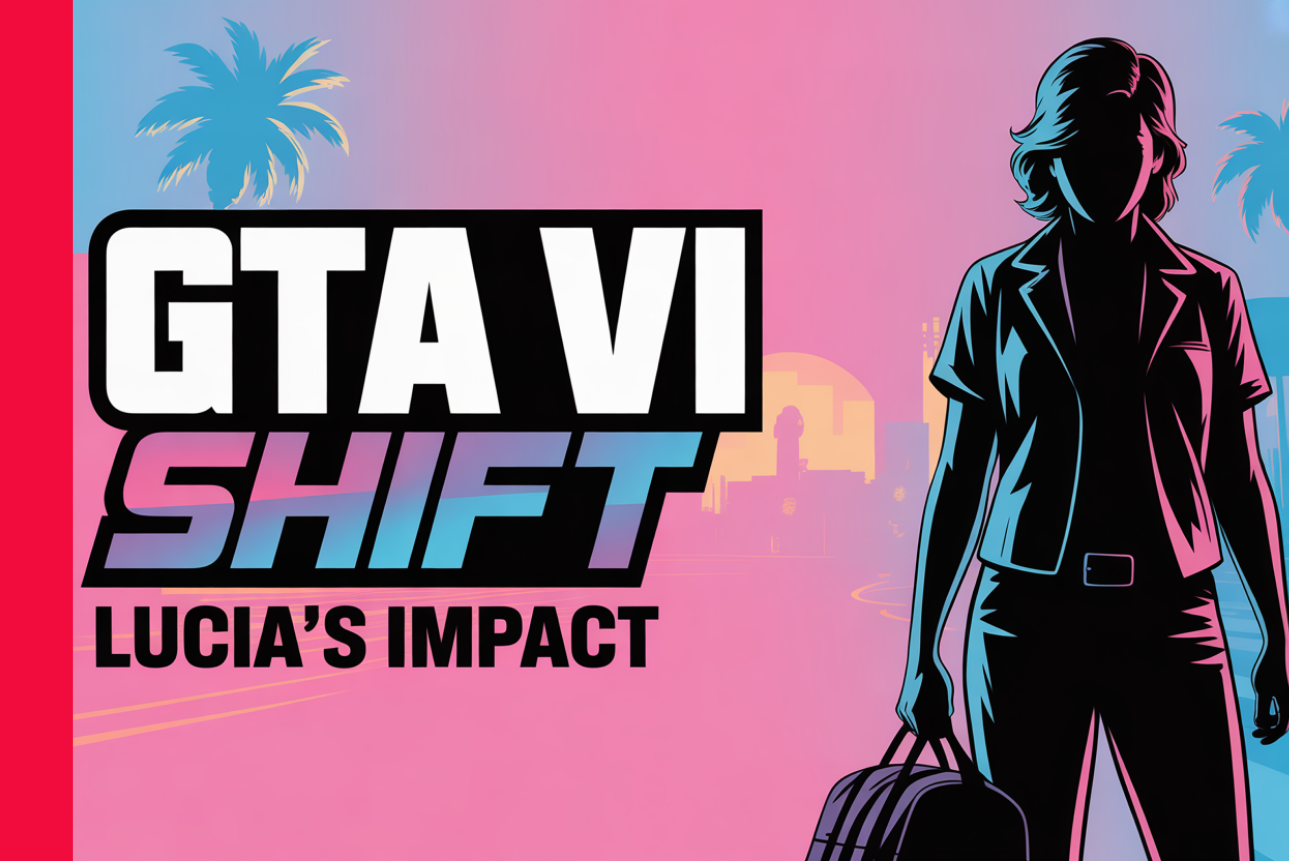
    The much-anticipated upcoming title Grand Theft Auto VI (GTA VI) from Rockstar Games is already making headlines — not just for its return to the iconic Vice City setting, but for introducing Lucia Caminos, the franchise’s first major female playable protagonist. This shift signals more than a narrative change — it may mark a pivotal moment for AAA gaming culture, representation and business strategy.


    Quick Answer

    GTA VI’s inclusion of a female lead is a significant milestone: it offers the potential for changed storytelling, broader audience appeal, and industry recalibration on character diversity. It is less about the gimmick of “first-female” and more about how that character is woven into the core gameplay and marketing of a franchise that has shaped open-world gaming.


    What Has Rockstar Confirmed About Lucia?

    • In July 2022, Bloomberg reported that GTA VI will feature a playable female main character for the first time in the series’ history. Bloomberg+1
    • The trailer released December 2023 officially introduced Lucia, set in the fictional state of Leonida (based on Florida) and the infamous Vice City. Variety+1
    • Local coverage (Times of India) highlights Lucia as “a ground-breaking shift” for narrative and representation in the series. The Times of India
    • According to the GTA Wiki, Lucia Caminos is part of a duo (with Jason Duval) inspired by the legendary “Bonnie and Clyde” criminal pair. gta.fandom.com+1

    Mini-summary: Lucia is officially positioned as the first non-optional female protagonist in the mainline GTA series — a key differentiation.


    Why This Matters for AAA Gaming

    1. Representation and Audience Reach

    AAA titles have historically been led by male protagonists. By putting a female (and Latina) character front-and-centre, Rockstar is signaling broader inclusivity. This can:

    • Attract under-represented demographics
    • Boost narrative variety and player connection
    • Strengthen global appeal in diverse markets

    2. Narrative-Design Implications

    The inclusion of a female lead allows:

    • New story arcs & themes (e.g., incarceration, identity, partnership)
    • Fresh character dynamics (Lucia & Jason’s duo)
    • Broader creative licence for setting, mission structure and character motivation

    3. Business & Brand Impact

    • Large established brand (GTA) embracing change = major signalling effect
    • Opportunity to refresh franchise, re-engage existing fans and attract new ones
    • Demonstrates that risk (changing protagonist gender) is acceptable at top level

    4. Industry Benchmarking

    Given the scale of GTA as a perk for the open-world market, this move may set a precedent:

    • Other publishers may follow with more diverse leads
    • Studio expectations shift from token inclusion to meaningful protagonists
    • AAA releases may increasingly treat diversity as design-centred, not optional

    What Challenges & Risks Are Involved?

    • Community backlash & expectation management: High-profile change invites scrutiny.
    • Authenticity over tokenism: The female lead must be more than symbolic — she must shape gameplay and story.
    • Franchise legacy tension: GTA’s legacy includes certain controversial elements; balancing that with modern representation is tricky.
    • Market messaging: Marketing must reflect the change without alienating legacy audience; risk of miscommunication.

    What Could Success Look Like?

    • Lucia becomes iconic alongside previous protagonists (e.g., CJ, Michael, Trevor).
    • Sales and audience metrics show growth in previously under-engaged demographics.
    • Developers cite GTA VI as proof that AAA games can lead with diverse protagonists and still be commercially massive.
    • Other major titles follow suit sooner rather than later.

    Key Takeaways for Studios & Marketers

    • Leading with diversity in protagonist design is commercially viable at AAA scale.
    • Narrative design should integrate the protagonist’s identity meaningfully — e.g., Lucia’s back-story, duo dynamic — not just as a checkbox.
    • Marketing must reflect change but also reassure and educate core fans to maintain franchise loyalty.
    • Measurement of success should include new audience segments, engagement from existing fans, and brand sentiment.

    Conclusion

    The arrival of Lucia Caminos as the first major female playable protagonist in the GTA series is more than just a “first” — it signals an evolution in how even the largest franchises think about characters, story and audience. For AAA gaming, this may be a watershed moment: representation moves from niche to mainstream, design expands, and big-budget games recognise the value of meaningful diversity. The change matters not just for players — but for how the industry defines blockbuster entertainment in the years ahead.


    FAQ

    Q1. Is Lucia really the first female protagonist in the GTA series?
    Yes — while previous GTA titles allowed female playable characters or optional roles, Lucia is the first major, non-optional female lead in a primary GTA game. Wikipedia+1

    Q2. When is GTA VI expected to release?
    As of May 2025, GTA VI is scheduled for release in 2026. Polygon+1

    Q3. Does the female lead mean the game is less violent or changes tone?
    Not necessarily — Rockstar’s previous games are known for violence, satire and adult themes. The female lead allows more narrative variety, but doesn’t imply a less intense experience.

    Q4. Will Lucia’s identity affect the gameplay mechanics?
    While official details are limited, industry commentary suggests the character dynamic (Lucia + Jason) will influence mission design and story in new ways. The Times of India

    Q5. What does this mean for representation in games generally?
    It shows that even major franchises with entrenched traditions can pivot to more inclusive leads, setting an example for future AAA titles.

    Q6. Will this protagonist change make the game commercially risky?
    It’s a calculated risk, but given GTA’s brand strength and broad audience, the move may be ultimately commercially safe — and potentially commercially smart.

  • From Blocky World to Box Office: How A Minecraft Movie Became a Cultural Phenomenon

    From Blocky World to Box Office: How A Minecraft Movie Became a Cultural Phenomenon

    The transition of the sandbox sensation Minecraft into a full-blown cinematic blockbuster might have seemed unlikely — yet by spring 2025, the film adaptation not only succeeded, but exploded into a cultural event. Here’s how it happened, the factors behind its success, and what it means for gaming, film and culture.


    What is A Minecraft Movie?

    A Minecraft Movie is a 2025 fantasy-adventure film based on the Minecraft game franchise by Mojang Studios. Wikipedia+1
    Directed by Jared Hess and starring Jack Black, Jason Momoa, and Danielle Brooks, the film dramatises a group of misfits pulled from the real world into Minecraft’s cubic Overworld, tasked with returning home while mastering a world of blocks. Wikipedia+1
    With a budget around US$150 million, it went on to gross approximately US$957 million globally. Wikipedia+1


    Why did it succeed at the box office?

    1. Built-in fan base + global brand

    Minecraft is one of the best-selling video games of all time, with hundreds of millions of players, extensive YouTube/streaming presence and deep cultural penetration. That gave the film a hugely ready-made audience. The Guardian+1

    2. Smart release strategy & marketing

    The film opened to a US$163 million domestic opening weekend, and around US$313 million globally in its first weekend. Screen Daily+1
    Major tie-ins helped amplify reach — brand partnerships with fast-food, merchandising, global rollout.

    3. Cross-generational appeal

    While rooted in a game popular with kids and teens, the film also appealed to families and general audiences, giving it broader reach than many game-to-film adaptations.

    4. Culture and internet momentum

    Beyond ticket sales, the movie sparked a viral “fan participation” phenomenon in theaters (more on that below). That kind of grassroots social buzz amplified its visibility and longevity.


    What cultural phenomena grew out of the movie?

    • Theatre “chicken jockey” craze
      In screening rooms around the world, fans shouted lines like “I… am Steve!” or “Chicken jockey!”, referencing in-game jokes. Some theaters issued warnings due to rowdy behavior. San Francisco Chronicle+1
    • Memeification
      The film’s visuals, dialogue and references became widely memed, driving free social-media marketing and making it feel like a “living” event.
    • Branding and merchandising explosion
      The film’s success reinforced Minecraft not just as a game, but as a multi-platform brand — toys, apparel, experiences.
    • Box-office records
      It became the highest-opening weekend for a video-game-adapted film at that time. Barron’s+1

    What challenges did the film overcome?

    • Adapting a sandbox game with minimal narrative
      Minecraft’s core appeal is open-ended creation. Translating that into a coherent story for film was non-trivial. The developers and filmmakers had to craft characters and plot around a game without a traditional narrative. Wikipedia
    • Skepticism over game-to-movie adaptations
      Historically, many video-game films under-deliver. The debut trailer received mixed reactions, and critics were cautious. Wikipedia
    • Global appeal and cultural translation
      Ensuring the film resonated not just in Western markets but globally required a strategy that balanced game references with universal storytelling.

    What does this success mean for gaming & film?

    • Validation for game-owned IP in cinema
      The success of A Minecraft Movie suggests that video-game franchises can successfully cross into film — if handled smartly with brand strength, audience alignment and global marketing.
    • Platform-brand synergy
      For Mojang/Microsoft (owners of Minecraft), the film expands the ecosystem: game sales, DLC, spinoffs, merchandise — all benefit from crossover success.
    • Event-screening culture reinvigorated
      Audiences again flocked to theaters for a communal experience — not just to watch a movie, but to participate in a cultural moment.
    • Sequel momentum is now in motion
      A sequel has already been announced for July 23 2027. People.com The brand continues to build on the film’s momentum.

    Key Takeaways for Brands and Creators

    • Leverage existing passionate communities: Minecraft’s fan base was central to the film’s launch power.
    • Create cross-generational appeal: Appeal to core fans plus wider family audiences increases scale.
    • Design for participation & shareability: Meme-worthy content, theater-events, social tie-ins boost reach.
    • Maintain branding consistency: Staying true to the game’s look and feel (cubic visuals, sense of play) helped authenticity.
    • Plan for multi-platform ecosystem: Film works as part of a broader plan (game updates, merchandise, streaming) not just a standalone release.

    Conclusion

    A Minecraft Movie didn’t just succeed — it soared. By blending a massive gaming brand, savvy marketing, cross-demographic appeal and cultural-moment energy, it transformed a sandbox video game into a theatrical event. The film’s performance underscores how strong game IP, when handled correctly, can bridge into film and entertainment big time — and set new standards for game-to-movie adaptations.

    Whether you’re a creator, brand strategist or just a gaming fan, the lesson is clear: build with the community, lean into culture, and think beyond screens.


    FAQ

    What was the budget of A Minecraft Movie?

    The estimated budget was approximately US$150 million. Wikipedia+1

    How much did it make at the box office?

    Worldwide gross reached roughly US$957 million, making it one of the highest-grossing video-game-adapted films ever. Wikipedia+1

    When was it released?

    The world premiere took place March 30 2025 in London; the global theatrical release followed on April 4, 2025. Wikipedia+1

    Is there a sequel?

    Yes — a sequel is officially scheduled for July 23 2027. People.com

    Why did the film spark unruly theater behaviour?

    Fans embraced the film as a shared cultural event, chanting game-references, shouting lines, and turning screenings into participatory experiences (e.g., “chicken jockey”). Some theatres issued warnings as a result. San Francisco Chronicle+1

    Why is this important for the gaming industry?

    It demonstrates that major game franchises can transcend their medium — creating film, merchandise and event experiences — thereby expanding their value and cultural reach.


  • Mobile vs Console vs PC Gaming in 2025: Who’s Winning?

    Mobile vs Console vs PC Gaming in 2025: Who’s Winning?

    The global gaming market in 2025 is large, mature, and increasingly competitive — but not all platforms are growing equally. Recent data from Newzoo, Sensor Tower, and Grand View Research shows clear winners in revenue, players, and momentum. Here’s a high-level, platform-by-platform breakdown of who’s actually leading the gaming landscape this year.


    Quick Answer (2025)

    Mobile gaming is the clear winner in 2025, generating the highest revenue and fastest user growth. Console gaming is stable with moderate growth, driven by digital storefronts and subscriptions. PC gaming remains essential but slower-growing, supported by dedicated communities and strong live-service titles. Each platform wins in different metrics, but mobile dominates the overall market.


    What Is the Market Size of Each Platform in 2025?

    According to Newzoo and multiple industry reports:

    • Mobile Gaming (Winner)
      • ≈ US$100–103 billion in 2025
      • Nearly 50% of the entire global market
      • Adds 4–5% new users annually, per Sensor Tower
    • Console Gaming
      • ≈ US$46–52 billion
      • Steady growth (~5% YoY in many forecasts)
      • Strong digital spending (subscriptions, DLC, in-game purchases)
    • PC Gaming
      • ≈ US$40–44 billion
      • Slower ~2–3% growth
      • Surpasses 1 billion global players for the first time (Newzoo)

    Summary: Mobile is the biggest revenue and user-base leader. Console shows stable, moderate growth. PC is steady but slower-growing.


    Which Platform Has the Most Players in 2025?

    Player-base data (Newzoo 2025 outlook):

    • Mobile: ~3.6 billion players
      Accessible, low friction, global penetration.
    • PC: ~1+ billion players
      Major milestone, driven by global adoption and live-service games.
    • Console: ~688 million players
      Smaller but high-spending audience.

    Summary: Mobile dwarfs all other platforms in total players, but console players spend the most per capita.


    How Does Monetisation Differ Across Mobile, Console, and PC?

    Mobile: Maximized Monetisation

    • In-app purchases (IAP)
    • Hybrid monetisation (ads + IAP)
    • Gacha systems, battle passes, seasonal events
      Mobile succeeds through scale and microtransactions, with companies like Tencent, Scopely, and Supercell leading.

    Console: Premium + Subscription Power

    • $60–$70 game releases
    • Live-service add-ons
    • Strong subscription revenue (Xbox Game Pass, PlayStation Plus)
    • High digital attach rates
      According to The Verge, digital spending now surpasses physical by a huge margin.

    PC: Diverse Monetisation Ecosystem

    • Steam storefront dominance
    • MMOs and live-service games
    • Mod economies and free-to-play ecosystems (e.g., Riot Games, Valve)
    • High ARPU (average revenue per user) in niche genres like strategy and simulation

    Summary: Mobile wins on volume, console wins on premium value, PC wins on diversification.


    Which Platform Is Growing the Fastest?

    🚀 Fastest Growth: Mobile

    Sensor Tower’s 2024–2025 data shows:

    • +4% IAP revenue growth
    • +12% sessions growth
    • Continues to dominate emerging regions (India, South Asia, LATAM)

    📈 Moderate Growth: Console

    • 5%+ expected revenue growth in 2025 (Heyup Labs)
    • Active install base from PS5, Xbox Series consoles, and Nintendo Switch ecosystem

    🐢 Slowest Growth: PC

    • 2–3% growth rates
    • Still highly profitable for core genres

    Summary: Mobile grows the fastest, console holds stable momentum, PC grows slowly but stays essential.


    What Structural Challenges Does Each Platform Face?

    Mobile Challenges

    • Saturation in top markets
    • Rising user acquisition costs
    • Apple/Google platform-fee debates
    • Monetisation fatigue in Western markets

    Console Challenges

    • Hardware limitations and long upgrade cycles
    • High AAA production budgets
    • Subscription profitability concerns
    • Intensifying competition from mobile/cloud

    PC Challenges

    • Fragmentation across storefronts (Steam, Epic, Tencent, etc.)
    • Hardware costs rising globally
    • Struggle to attract casual players

    Summary: Each platform faces maturity headwinds — but consoles and PC feel the pressure more than mobile.


    What Trends Are Shaping the Platforms in 2025?

    Cross-platform games dominate

    Games like Fortnite, Genshin Impact, and Call of Duty are collapsing old silos.

    Subscriptions reshape spending

    Game Pass, PS Plus, Apple Arcade are redefining where players spend.

    Live-service models continue to win

    Retention is the new growth metric (per MIDiA Research).

    Cloud gaming becomes supplemental, not central

    Used more for onboarding and trials than core play.


    So… Who’s Actually Winning in 2025?

    It depends on the metric:

    MetricWinner (2025)Why
    RevenueMobileNearly 50% of global spending
    Growth RateMobileFastest user and revenue expansion
    Spending per userConsolePremium pricing + subscriptions
    Player baseMobileBillions more users vs console/PC
    Engagement depthPCMMOs, strategy, modding, esports
    Strategic importanceAll threeEach dominates different consumer segments

    Overall Winner: Mobile, but console and PC remain essential pillars depending on audience and genre.


    Conclusion

    As of 2025, mobile is the dominant force in gaming, leading in revenue, growth, and total players. Console gaming remains resilient, buoyed by subscriptions, digital spending, and strong first-party ecosystems. PC gaming continues to thrive in its core communities, especially for competitive and live-service titles, even though its growth is slower.

    The industry is now platform-agnostic — with cross-platform play, cloud onboarding, and live-service economies making “Where you play” less important than ever. But in pure market terms, mobile holds the crown, console retains premium influence, and PC anchors deep engagement.


    FAQ

    1. Which gaming platform makes the most money in 2025?

    Mobile gaming, with roughly half of global industry revenue.

    2. Are consoles dying?

    No — consoles are stable and still growing modestly, especially thanks to digital stores and subscription services.

    3. Is PC gaming shrinking?

    Not shrinking, but growing slowly. It remains a high-value platform for core players.

    4. Which regions drive mobile gaming growth?

    India, Southeast Asia, Latin America, and the Middle East.

    5. Are mobile games overtaking console-quality experiences?

    Increasingly yes—games like Genshin Impact and Call of Duty Mobile show AAA-like fidelity on mobile hardware.

    6. What genres dominate each platform?

    • Mobile: casual, gacha, RPG, strategy
    • Console: action-adventure, shooters, sports
    • PC: MMOs, strategy, simulation, esports titles

  • Could PlayStation First-Party Titles Come to Switch or Xbox? The Evidence (2025 Strategic Shift Explained)

    Could PlayStation First-Party Titles Come to Switch or Xbox? The Evidence (2025 Strategic Shift Explained)

    Sony has spent decades defining PlayStation as a hardware-first ecosystem powered by strong exclusives. But as of 2025, multiple signals show a major strategic shift: Sony is openly preparing to bring PlayStation Studios titles to Xbox, Nintendo platforms, and mobile, marking a possible end to the era of total exclusivity. According to outlets like Tweaktown, Windows Central, and India Times, Sony is already building infrastructure for a multiplatform future.


    🔍 Quick Answer

    Sony is testing a multiplatform business strategy in 2025. A high-level Sony job listing explicitly mentions expanding PlayStation Studios games to Xbox, Nintendo, PC, and mobile, and Sony has already published Helldivers 2—a PlayStation Studios–branded title—on Xbox. While flagship franchises like God of War or Spider-Man may remain console-first, the evidence shows Sony shifting from a hardware-locked model toward a software expansion strategy aimed at reaching more players across more devices.


    What Counts as a PlayStation “First-Party” Title?

    A first-party PlayStation title generally refers to:

    • A game developed by Sony-owned studios (e.g., Santa Monica Studio, Naughty Dog)
    • Or a game published under PlayStation Studios / Sony Interactive Entertainment (SIE)
    • Historically released exclusively on PlayStation hardware, with some later arriving on PC

    This includes games like The Last of Us, God of War, Marvel’s Spider-Man, and live-service titles like Helldivers 2, which—despite being developed by Arrowhead—is a PlayStation Studios–published game.

    Mini-summary: First-party = Sony-published PlayStation Studios titles. The strategic question now is whether those games will stay exclusive.


    What Evidence Shows Sony Moving Toward Xbox and Nintendo?

    1. Sony’s Job Listing That Explicitly Mentions Xbox and Nintendo

    One of the clearest signals came from a Senior Director of Product Management job listing spotted by outlets like Tweaktown and Windows Central. The posting stated that the role would oversee PlayStation Studios software “across all digital platforms beyond PlayStation hardware, including Steam, Epic Games Store, Xbox, Nintendo, and mobile.”

    This is unprecedented. Sony has never officially included Xbox or Nintendo in its platform strategy language before.

    What it means:

    • Sony has an official “Multiplatform” division
    • It is hiring leadership to manage relationships with Xbox and Nintendo
    • It plans to commercially support PlayStation titles outside PlayStation consoles

    This is no longer rumor — this is corporate strategy in writing.


    2. Helldivers 2 Already Launched on Xbox (Historic First)

    In August 2025, Sony published Helldivers 2—one of PlayStation’s biggest modern hits—on Xbox Series X|S.
    India Times and The Verge highlighted how this breaks decades of Sony precedent: it’s the first non-licensed PlayStation Studios title to ship on Xbox.

    Key points:

    • Originally launched on PS5 and PC
    • Became Sony’s fastest-selling PlayStation Studios title ever
    • Officially released on Xbox with cross-play support
    • Performed strongly on Xbox charts, proving Sony IP can thrive outside its ecosystem

    This was the test case—and it succeeded.


    3. Sony Is Reframing Itself as a “Platform + Services” Company

    Analysts across Windows Central and ComicBook.com have noted Sony’s shift in language. Executives have been describing PlayStation less as “a hardware ecosystem” and more as a software and services platform.

    Why this shift is happening:

    • PlayStation hardware sales are slowing as the PS5 enters mid-lifecycle
    • PC ports have performed extremely well (e.g., God of War breakouts)
    • Live-service games thrive with larger audiences across more devices
    • Competition from Xbox and Nintendo is reshaping exclusivity expectations
    • Shareholders want revenue growth beyond console units

    This mirrors Microsoft’s own strategy pivot that began years earlier.


    4. Industry Analysts Believe Sony Is Building a Multiplatform Future

    Several industry interpreters frame the job listing and Helldivers 2 release as part of a larger strategy:

    • Windows Central: Sony is “positioning PlayStation Studios as a publisher beyond hardware.”
    • Tweaktown: The job listing is “the clearest signal yet that PlayStation exclusivity is evolving.”
    • VGChartz: Sony is preparing for a “hybrid multi-device model” for future titles.

    In other words: this is not random—this is company-wide planning.


    What Does This Mean for Big PlayStation Franchises?

    It does not mean every major PlayStation exclusive will immediately join the Xbox or Nintendo libraries.

    More likely:

    Sony will adopt a tiered exclusivity model:

    1. Premium exclusives launch first on PlayStation consoles
    2. Later release on PC
    3. Select titles — especially live-service, multiplayer, or social games — may go to Xbox and Nintendo

    This mirrors Microsoft’s mixed-exclusivity approach and allows Sony to maximize both hardware sales and software revenue.

    Mini-summary: Sony’s biggest IP probably stays PlayStation-first, but not necessarily PlayStation-only.


    So… Will PlayStation Games Come to Switch 2?

    If Sony goes multiplatform, Switch 2 is more likely than the current Switch.
    Reasons:

    • Switch 2 is expected to be significantly more powerful
    • Sony’s job listing uses “Nintendo” generically, but analysts assume it means next-gen hardware
    • Live-service games (like Helldivers 2) benefit from Nintendo’s enormous user base

    While The Last of Us isn’t hitting a Nintendo console anytime soon, select titles could—especially if Sony prioritizes reach over exclusivity.


    FAQ

    Will big PlayStation exclusives like God of War or Spider-Man go to Xbox?

    Not in the near term. These are system sellers. But Sony could eventually bring older titles to other platforms if the strategy proves successful.

    Why is Sony doing this now?

    Because software revenue — especially from live-service games — grows faster when not limited to one console.

    Does this mean PlayStation hardware is becoming less important?

    No. Sony will continue to make consoles, but hardware is no longer the only gateway to PlayStation games.

    What is the most credible evidence of Sony going multiplatform?

    A Sony job listing explicitly referencing Xbox and Nintendo platforms, plus Helldivers 2’s successful release on Xbox.

    Could PlayStation games come to Nintendo Switch 2?

    Yes — especially live-service games. The original Switch was too limited, but Nintendo’s next-gen hardware changes the equation.

    Is this similar to Microsoft’s strategy?

    Yes. Sony appears to be moving toward a hybrid strategy: console-first, multiplatform-second.


    Conclusion

    As of 2025, all signs point to Sony preparing a significant strategic evolution. With a job listing explicitly naming Xbox and Nintendo, and the successful multiplatform launch of Helldivers 2, Sony is no longer tied to the traditional “PlayStation-only” mindset. Instead, it is building a future where PlayStation Studios becomes a multiplatform publisher, while still launching its biggest exclusives first on PlayStation hardware. This hybrid approach positions Sony to grow software revenue, compete with Microsoft’s ecosystem model, and expand PlayStation’s presence across the entire gaming landscape.