Blog

  • Why Big Game Franchises Are Releasing Fewer New Games

    Why Big Game Franchises Are Releasing Fewer New Games

    For much of gaming history, major franchises released new entries every one to three years. Today, that rhythm has slowed dramatically. Some of the biggest brands in the industry now go half a decade—or longer—between major releases.

    This shift isn’t accidental. It reflects deeper changes in how games are made, funded, and sustained.

    So why are big game franchises releasing fewer new games?


    Quick Answer

    Big game franchises are releasing fewer new games because development costs, production timelines, and financial risk have increased dramatically.
    Publishers now prioritise longevity, live-service monetisation, and brand stability over frequent sequels, making fewer but larger releases the safer business strategy.


    The End of the Fast Sequel Era

    In the 2000s and early 2010s, franchises like Assassin’s Creed, Call of Duty, and GTA released new titles at a rapid pace. Smaller teams, simpler technology, and lower expectations made that possible.

    Today, AAA development looks very different.

    Mini-summary: What once took two years can now take seven.


    1. Development Cycles Have Grown Exponentially

    Modern AAA games often require:

    • 5–8 years of development
    • Hundreds or thousands of developers
    • Multiple studios across continents

    As visual fidelity, animation quality, and world complexity increase, iteration slows and risk rises. Releasing games more frequently is no longer feasible without compromising quality.

    This is why franchises like Grand Theft Auto and The Elder Scrolls now operate on decade-long timelines.


    2. Budgets Are Too High to Fail

    Many modern AAA games now cost $150–300 million before marketing. At that scale:

    • One underperforming release can destabilise a studio
    • Publishers become more risk-averse
    • Fewer projects are greenlit overall

    Instead of releasing multiple mid-scale entries, companies bet everything on fewer blockbuster launches.

    Mini-summary: Fewer games, but each one carries enormous pressure.


    3. Live-Service Models Replace Sequels

    Rather than releasing new games, many franchises now extend a single title for years.

    Examples include:

    • Ongoing updates instead of sequels
    • Seasonal content replacing expansions
    • Monetisation spread across long timelines

    Games like Fortnite, GTA Online, and Destiny 2 show how one platform can generate revenue longer than multiple traditional releases.

    From a business perspective, this is safer than launching something new.


    4. Player Expectations Have Changed

    Modern players expect:

    • Bug-free launches
    • Massive worlds
    • Ongoing post-launch support
    • Regular updates and fixes

    Rushed sequels are punished quickly. Social media, streaming, and review cycles amplify every flaw, making publishers cautious about releasing games before they are “ready.”


    5. Franchises Are Becoming Platforms, Not Products

    Many major franchises are no longer treated as standalone games. They are:

    • Long-term ecosystems
    • Monetisation platforms
    • Brand pillars for publishers

    This is especially true for franchises owned by companies like Electronic Arts, Ubisoft, and Activision.

    When a franchise becomes a platform, frequent sequels become unnecessary—and sometimes harmful.


    6. Fewer New Entries, More Remakes and Remasters

    Instead of new games, publishers increasingly release:

    • Remakes
    • Remasters
    • Definitive editions

    These projects:

    • Cost less
    • Carry less risk
    • Leverage existing brand awareness

    This helps maintain visibility while larger projects remain in development.


    7. Internal Studio Changes Matter Too

    Many studios have also:

    • Reduced crunch culture
    • Improved work-life balance
    • Rebuilt pipelines after layoffs or restructuring

    These changes are positive, but they extend timelines and reduce output.

    Mini-summary: Healthier development often means slower releases.


    What This Means for Players

    What Players Gain

    • More polished releases
    • Longer support cycles
    • Deeper post-launch content

    What Players Lose

    • Fewer new entries
    • Longer waits between sequels
    • Less experimentation in major franchises

    What This Means for the Industry

    Likely Going Forward

    • Fewer AAA releases per franchise
    • Larger gaps between sequels
    • More live-service and platform-style games

    Less Likely

    • Annual releases across most franchises
    • Rapid sequel turnarounds
    • Frequent reinvention of core brands

    Final Verdict

    Big game franchises are releasing fewer new games because the economics of AAA development have fundamentally changed. Rising costs, longer timelines, and higher risk have pushed publishers toward safer, slower, and more sustained strategies. While this means longer waits for players, it also reflects an industry adapting to its own scale.

    The era of frequent sequels isn’t over—but it’s no longer the default.


    Frequently Asked Questions

    Are fewer games being made overall?
    At the AAA level, yes. At the indie level, output remains strong.

    Is this bad for players?
    Not necessarily. Fewer games often means more polished ones.

    Will annual franchises disappear completely?
    No, but they are becoming rarer and more conservative.

    Are live-service games replacing sequels?
    In many franchises, yes.
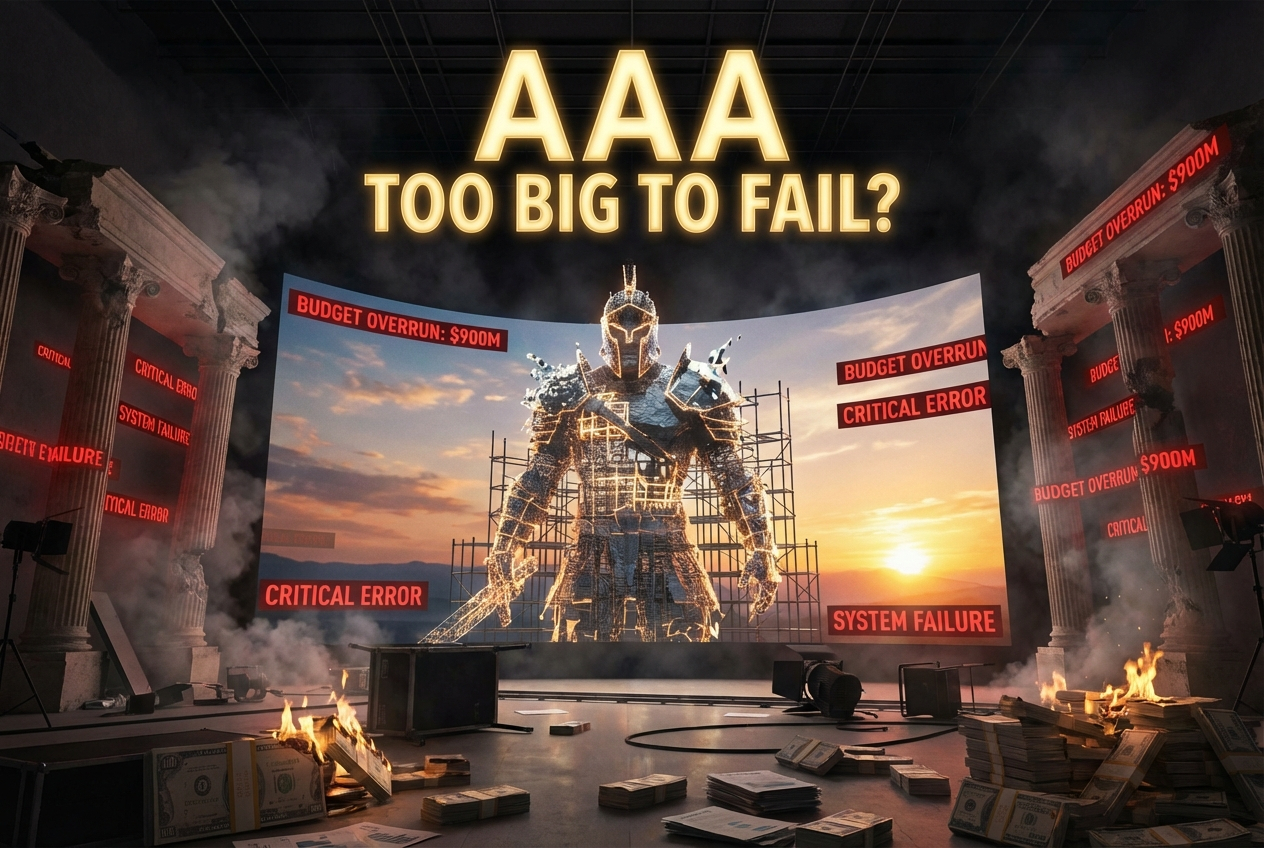
  • The AAA Budget Crisis: Why $200M Games Are Becoming Unsustainable

    The AAA Budget Crisis: Why $200M Games Are Becoming Unsustainable

    For more than a decade, the AAA games industry has chased scale. Bigger worlds, higher fidelity, cinematic storytelling, and global launches have pushed budgets into territory once reserved for Hollywood blockbusters. Today, it is no longer unusual for a major release to cost $150–300 million before marketing.

    But that model is starting to crack.

    Studios are laying off staff, publishers are cancelling projects, and even critically acclaimed games are being labeled “commercial disappointments.” The question is no longer whether AAA budgets are large — it’s whether they are still viable.


    Quick Answer

    $200M+ AAA game budgets are becoming unsustainable because development costs are rising faster than player spending and market growth.
    Longer production cycles, higher expectations, live-service risk, and hit-driven economics mean fewer games can realistically break even, let alone succeed.


    What Is the AAA Budget Crisis?

    The AAA budget crisis refers to a growing imbalance between:

    • Development and marketing costs, and
    • The realistic revenue ceiling of even successful games

    While sales numbers have grown modestly, costs have exploded — driven by technology, labour, and production complexity.

    Mini-summary: Games are getting more expensive to make, but not proportionally more profitable.


    Why AAA Game Budgets Have Exploded

    1. Development Time Has Doubled

    Modern AAA games often take:

    • 5–8 years to develop
    • Hundreds or thousands of developers
    • Multiple global studios

    Every extra year compounds:

    • Salaries
    • Infrastructure costs
    • Opportunity cost

    Delays no longer just affect schedules — they threaten financial viability.


    2. Fidelity Expectations Are Ruthless

    Players now expect:

    • Near-photorealistic visuals
    • Fully voiced dialogue
    • Performance parity across platforms
    • Massive, seamless worlds

    Each incremental visual upgrade requires exponentially more effort, not linear gains.


    3. Marketing Budgets Rival Development

    A modern AAA release often spends:

    • $100M+ on global marketing
    • Influencer campaigns
    • Platform partnerships
    • Live-service launch support

    In many cases, marketing equals or exceeds development cost — turning “success” into a moving target.


    Why Even Successful Games Are Struggling

    Sales Are No Longer Enough

    Selling 5–10 million copies used to guarantee success. Today, it may only mean:

    • Breaking even
    • Underperforming against forecasts

    Publishers now expect:

    • Long-term monetization
    • Recurring engagement
    • Post-launch revenue streams

    A great launch is no longer sufficient.


    Live-Service Is High Risk, Not a Safety Net

    Many AAA games attempt to justify budgets through live-service models. The problem:

    • Only a few dominate attention
    • Most fail to retain players
    • Ongoing support increases burn rate

    Live-service success is winner-takes-most, not evenly distributed.


    The Human Cost: Layoffs and Cancellations

    Major publishers including Microsoft, Sony, and Electronic Arts have all reduced staff or cancelled projects despite strong revenues.

    Why?

    • Fewer games can justify massive teams
    • Portfolio risk is increasing
    • Shareholders demand predictability

    Mini-summary: The crisis isn’t about failure — it’s about risk management.


    Why Publishers Are Becoming More Conservative

    Fewer New IPs

    New IPs are risky and expensive. As a result:

    • Sequels and remakes dominate
    • Established brands get priority
    • Creative risk shifts to smaller studios

    Fewer Mid-Tier Games

    The middle ground between indie and AAA is shrinking:

    • Too expensive to make cheaply
    • Too risky to fund heavily

    This creates an industry polarized between blockbusters and indies.


    Can AI or New Tools Fix the Problem?

    AI and automation may help with:

    • Asset generation
    • QA testing
    • Early prototyping

    But they also:

    • Raise expectations
    • Increase scope
    • Encourage even bigger worlds

    Prediction: AI reduces some costs but does not fundamentally solve the budget problem.


    What Comes Next for AAA Games?

    Likely Industry Shifts

    • Smaller AAA-scale projects
    • More controlled scope
    • Greater reuse of engines and assets
    • Longer gaps between major releases

    Less Likely

    • Endless budget growth
    • Guaranteed profitability at launch
    • Risk-free live-service bets

    Final Verdict

    The AAA budget crisis is not a temporary downturn — it’s a structural problem. As $200M games become the norm, the margin for error disappears. One underperforming release can now destabilize an entire studio or publisher. Unless scope, expectations, or business models change, the industry will continue to contract around fewer, safer bets.

    The future of AAA gaming may not be bigger games — but smarter ones.


    Frequently Asked Questions

    Are AAA games too expensive to make now?
    Yes. Costs have outpaced sustainable growth.

    Why don’t higher prices fix the issue?
    Raising prices risks shrinking the audience without guaranteeing revenue gains.

    Is live-service the solution?
    Only for a small number of dominant titles.

    Will AAA games disappear?
    No, but fewer will be made, and with tighter scope.

  • Why Mojang Studios Is Taking a Different Approach to Minecraft Updates

    Why Mojang Studios Is Taking a Different Approach to Minecraft Updates

    Minecraft remains one of the most played and influential games in the world, yet many players have noticed a clear shift in how updates are released. Instead of massive, game-changing expansions arriving frequently, recent Minecraft updates have been smaller, more experimental, and more gradual.

    This has sparked debate across the community. Some players welcome the change, while others feel updates are slower or less ambitious than before.

    So why is this happening?


    Quick Answer

    Mojang Studios is prioritising long-term stability, experimentation, and player feedback over large, high-risk updates.
    Rather than rushing major features, the studio is focusing on smaller improvements, optional experiments, and sustainable development to keep Minecraft healthy for decades.


    What Is Mojang Studios’ Current Update Strategy?

    Mojang Studios develops Minecraft as a live, long-term platform rather than a traditional sequel-driven game.

    Key elements of Mojang’s current approach include:

    • Smaller, more frequent updates
    • Experimental features released separately
    • Longer testing phases
    • Heavy reliance on community feedback

    Mini-summary: Minecraft is no longer updated like a traditional game release cycle—it’s treated as an evolving ecosystem.


    Why Mojang Moved Away From Massive Updates

    1. Minecraft’s Scale Makes Big Changes Risky

    Minecraft supports:

    • Hundreds of millions of players
    • Multiple platforms (Java, Bedrock, console, mobile)
    • Mods, servers, and custom worlds

    Large updates can easily break:

    • Existing worlds
    • Redstone systems
    • Community mods and servers

    Smaller updates reduce the risk of destabilising the game’s ecosystem.


    The Rise of Experimental Features

    One of the biggest changes in recent years is Mojang’s use of experimental toggles.

    What This Means

    • New mechanics are tested separately
    • Players opt in rather than being forced into changes
    • Features can be delayed, changed, or cancelled

    This allows Mojang to:

    • Test ideas safely
    • Gather feedback early
    • Avoid over-promising content

    Mini-summary: Experiments let Mojang innovate without committing too early.


    A Stronger Focus on Quality Over Quantity

    Earlier Minecraft updates often introduced large feature sets all at once. Today, Mojang appears more focused on:

    • Bug fixing and performance
    • Cross-platform parity
    • Polishing existing systems

    This slower pace frustrates some players, but it helps ensure:

    • Fewer game-breaking bugs
    • More consistent experiences across devices
    • Better long-term stability

    Development Culture Has Changed

    Mojang has also publicly discussed improving developer wellbeing and avoiding extreme crunch culture.

    This shift means:

    • Longer development timelines
    • More cautious feature planning
    • Fewer rushed releases

    While this can slow visible progress, it supports healthier development and more sustainable updates.


    Why Minecraft Doesn’t Need Big Updates to Survive

    Unlike many games, Minecraft benefits from:

    • A massive modding community
    • Player-driven creativity
    • Servers that evolve independently

    Even smaller official updates can spark:

    • New mod ideas
    • New server mechanics
    • New playstyles

    Minecraft’s community often amplifies small changes into major trends.


    Community Reaction: Mixed but Engaged

    Player reactions generally fall into three groups:

    • Supporters who value stability and polish
    • Critics who miss large, transformative updates
    • Optimists who believe bigger changes are coming later

    Despite criticism, Minecraft’s player numbers and engagement remain extremely strong.


    What This Means for the Future of Minecraft

    Likely Going Forward

    • Continued use of experimental features
    • Smaller, more focused updates
    • Long testing periods
    • Incremental world and gameplay improvements

    Less Likely

    • A complete engine overhaul
    • A “Minecraft 2”
    • Rapid, massive feature drops

    Mini-summary: Minecraft is being built for longevity, not short-term hype.


    Final Verdict

    Mojang Studios’ different approach to Minecraft updates reflects the game’s unique position in gaming history. With an enormous player base, cross-platform demands, and a thriving community ecosystem, cautious and incremental updates make sense. While this strategy may feel slower, it prioritises stability, experimentation, and sustainability—ensuring Minecraft remains relevant not just for years, but for generations.


    Frequently Asked Questions

    Why are Minecraft updates smaller now?
    To reduce risk, improve quality, and support long-term development.

    Are big updates gone forever?
    No, but they are likely to be more gradual and carefully tested.

    What are experimental features?
    Optional systems that allow Mojang to test new ideas safely.

    Is Minecraft still actively developed?
    Yes, development remains ongoing with a focus on sustainability.


  • GTA 6 Rumours: Further Delays and Concerning Development Updates Explained

    GTA 6 Rumours: Further Delays and Concerning Development Updates Explained

    As anticipation for the next Grand Theft Auto continues to build, new rumours and reports have sparked concern across the gaming community. While Rockstar Games has remained largely silent since its last official update, multiple industry sources and insider discussions suggest that development challenges may still be affecting the project.

    Here’s what we know so far — and what remains speculation.


    Quick Answer

    There is no confirmed delay to GTA 6, but multiple industry reports suggest development may not be fully content-complete.
    According to recent coverage from gaming outlets, Rockstar Games is prioritising polish and stability, which has led to renewed speculation that further delays remain possible.


    What Is the Current Status of GTA 6?

    Grand Theft Auto VI is officially in development at Rockstar Games, with the studio previously confirming a planned release window. However, no recent public statements have clarified whether development milestones are being met internally.

    Several reports published in recent months suggest:

    • The game may still be undergoing major refinement
    • Certain features could be scaled back or delayed
    • Rockstar is taking a cautious approach to avoid a rushed launch

    Mini-summary: GTA 6 is still coming, but progress behind the scenes appears slower than many fans expected.


    Why Are People Talking About Another Delay?

    Reports From Industry Insiders

    Gaming outlets such as GamingBolt and ScreenRant have referenced unnamed industry sources claiming that GTA 6 is “not fully content complete.” While these claims are not officially confirmed, they align with Rockstar’s history of delaying releases to prioritise quality.

    Rockstar’s Track Record

    Rockstar has previously delayed:

    • GTA V
    • Red Dead Redemption 2

    In both cases, delays resulted in highly polished final releases, which has led many fans to expect similar caution with GTA 6.

    Key point: Past behaviour makes further delays plausible, even if not guaranteed.


    What Are the Main Development Concerns?

    1. Scope and Scale

    GTA 6 is widely expected to be the most ambitious game Rockstar has ever produced. Large open worlds, complex AI systems, and evolving online components significantly increase development risk.

    2. Technical Expectations

    Modern players expect:

    • Stable performance at launch
    • High-fidelity visuals
    • Advanced NPC behaviour

    Meeting these expectations across multiple platforms often requires extended testing and iteration.

    3. Internal Restructuring

    Industry reporting has also noted changes to Rockstar’s internal work culture in recent years, including reduced crunch practices. While widely praised, this shift can extend development timelines.


    Has Rockstar Responded to the Rumours?

    As of now, Rockstar Games has not publicly commented on recent delay speculation. The company typically avoids addressing rumours directly and instead communicates through official trailers or press releases when ready.

    What this means: Silence does not confirm a delay, but it also does not dismiss the concerns being raised.


    How Are Fans Reacting?

    Community reaction has been mixed:

    • Some fans argue that delays are acceptable if they ensure quality
    • Others worry about prolonged development cycles and unclear timelines
    • Many remain cautiously optimistic, citing Rockstar’s reputation

    Discussion across forums and social platforms suggests frustration is present, but trust in Rockstar remains relatively strong.


    Could a Delay Actually Be a Good Thing?

    Historically, Rockstar delays have resulted in:

    • Better launch stability
    • Fewer game-breaking bugs
    • Longer-lasting titles

    Given GTA 6’s importance to both Rockstar and the wider industry, many analysts believe the studio will only release the game when it meets internal quality standards.


    What Players Should Expect Next

    Likely Scenarios

    • Continued silence until a major official update
    • A possible revised release window if development slips
    • More controlled marketing closer to launch

    What Not to Expect

    • Frequent progress updates
    • Early access or public testing phases

    Final Verdict

    While there is no confirmed delay to GTA 6, recent rumours and development reports suggest Rockstar Games may still be refining key elements of the project. Given the studio’s history and the scale of the game, further delays remain possible — but not necessarily negative. For now, fans should treat all unconfirmed reports cautiously and wait for official communication before drawing conclusions.


    Frequently Asked Questions

    Is GTA 6 delayed again?
    No official delay has been announced.

    Why do people think development is struggling?
    Industry reports suggest the game may not yet be content complete.

    Has Rockstar commented on the rumours?
    No, Rockstar has not addressed them publicly.

    Could a delay improve the final game?
    Historically, Rockstar delays have led to higher-quality releases.

  • What Will FC 27 Look Like? Gameplay, Modes, and Technology Predictions

    What Will FC 27 Look Like? Gameplay, Modes, and Technology Predictions

    EA Sports FC has entered a new era after the FIFA split, but many players still feel the series is evolving slowly rather than transforming. With each annual release, expectations grow for meaningful change instead of incremental updates.

    So what might the next major step look like?

    Here is a grounded, realistic look at what FC 27 could bring based on current trends in sports games, player feedback, and EA’s long-term direction.


    Quick Answer

    FC 27 is likely to focus on smarter AI, deeper realism, and live-service features rather than a complete reinvention.
    Expect improvements to gameplay intelligence, modest Career Mode upgrades, expanded Ultimate Team systems, and stronger use of AI-driven technology rather than a dramatic overhaul.


    What Is FC 27?

    EA Sports FC 27 is expected to be a future entry in EA’s annual football simulation series, following FC 24, FC 25, and FC 26. While not officially announced, FC 27 would likely continue EA’s post-FIFA branding and long-term platform strategy.

    Mini-summary: FC 27 will probably refine the foundation laid by earlier FC titles instead of starting from scratch.


    Will Gameplay Change Significantly in FC 27?

    Predicted Gameplay Improvements

    • Smarter off-the-ball player movement
    • Better defensive positioning and tracking
    • More realistic pressing and counter-pressing
    • Improved physical battles and ball shielding

    EA has increasingly leaned on machine learning and motion data, so FC 27 could feature more context-aware AI, where players react more naturally to space, tempo, and tactics.

    What probably won’t change:

    • Core animations and engine feel
    • Pace dominance in online modes

    Prediction: Gameplay will feel more intelligent, not radically different.


    Will FC 27 Finally Fix Career Mode?

    Career Mode remains one of the most requested areas for improvement.

    Likely Career Mode Updates

    • Deeper youth academy systems
    • More realistic player development curves
    • Improved transfer logic and squad building AI
    • Expanded managerial objectives and story elements

    However, large structural changes are unlikely unless they align with monetization or engagement goals.

    Prediction: FC 27 will add depth around the edges but avoid a full Career Mode overhaul.


    What Will Ultimate Team Look Like in FC 27?

    Ultimate Team is still the financial engine of the franchise.

    Expected Ultimate Team Changes

    • More live-service style seasons
    • Increased emphasis on evolutions and customization
    • Ongoing content updates instead of static yearly cycles
    • Further integration of real-world football events

    There is also growing speculation that EA could experiment with subscription-style elements or longer-term Ultimate Team progression across multiple years.

    Prediction: Ultimate Team becomes more persistent and service-based, not less monetized.


    Could FC 27 Move Away From Annual Releases?

    This is one of the biggest long-term questions.

    Why It’s Possible

    • Other major games are shifting to live-service models
    • Sports updates could be delivered via seasons
    • Players increasingly complain about paying full price annually

    Why It’s Unlikely (Yet)

    • Annual releases remain highly profitable
    • Licensing cycles still favor yearly launches
    • Marketing benefits of a “new” game each year

    Prediction: FC 27 still releases as a full-priced title, but with stronger live updates post-launch.


    How Will AI and Technology Shape FC 27?

    Artificial intelligence is likely to be the biggest behind-the-scenes change.

    Possible AI-Driven Features

    • More realistic player decision-making
    • Dynamic tactics that adjust mid-match
    • Smarter opponent difficulty scaling
    • Enhanced commentary that reacts to match context

    EA has already experimented with data-driven animations and positioning, and FC 27 could push this further.

    Prediction: AI improves realism subtly rather than visibly.


    Will FC 27 Feel More Like Real Football?

    Areas Likely to Improve

    • Team shape and spacing
    • Build-up play realism
    • Tactical identity differences between clubs

    Areas That May Still Frustrate Players

    • Meta-driven online play
    • Overpowered mechanics
    • Pace imbalance

    Prediction: Offline realism improves faster than online balance.


    Overall Predictions for FC 27

    AreaLikely Direction
    GameplaySmarter AI, small refinements
    Career ModeIncremental depth improvements
    Ultimate TeamMore live-service elements
    TechnologyIncreased AI usage
    Release ModelStill annual, more updates

    Final Verdict

    FC 27 is unlikely to reinvent football gaming, but it could represent a meaningful step toward smarter, more realistic simulation. Expect better AI, deeper systems, and a stronger live-service focus rather than dramatic feature overhauls. For players hoping for a complete reset, FC 27 may still feel cautious—but for those seeking polish and realism, it could be one of the series’ most refined entries.


    Frequently Asked Questions

    Will FC 27 be a big upgrade over FC 26?
    Likely in intelligence and realism, not in core mechanics.

    Will Career Mode get a full overhaul?
    Unlikely, but gradual improvements are expected.

    Could FC become a live-service game?
    Possibly in the long term, but not fully by FC 27.

    Will Ultimate Team change significantly?
    Yes, especially in live content and progression systems.


  • Pokémon vs. Digimon: Which Franchise Expanded Beyond Games Better?

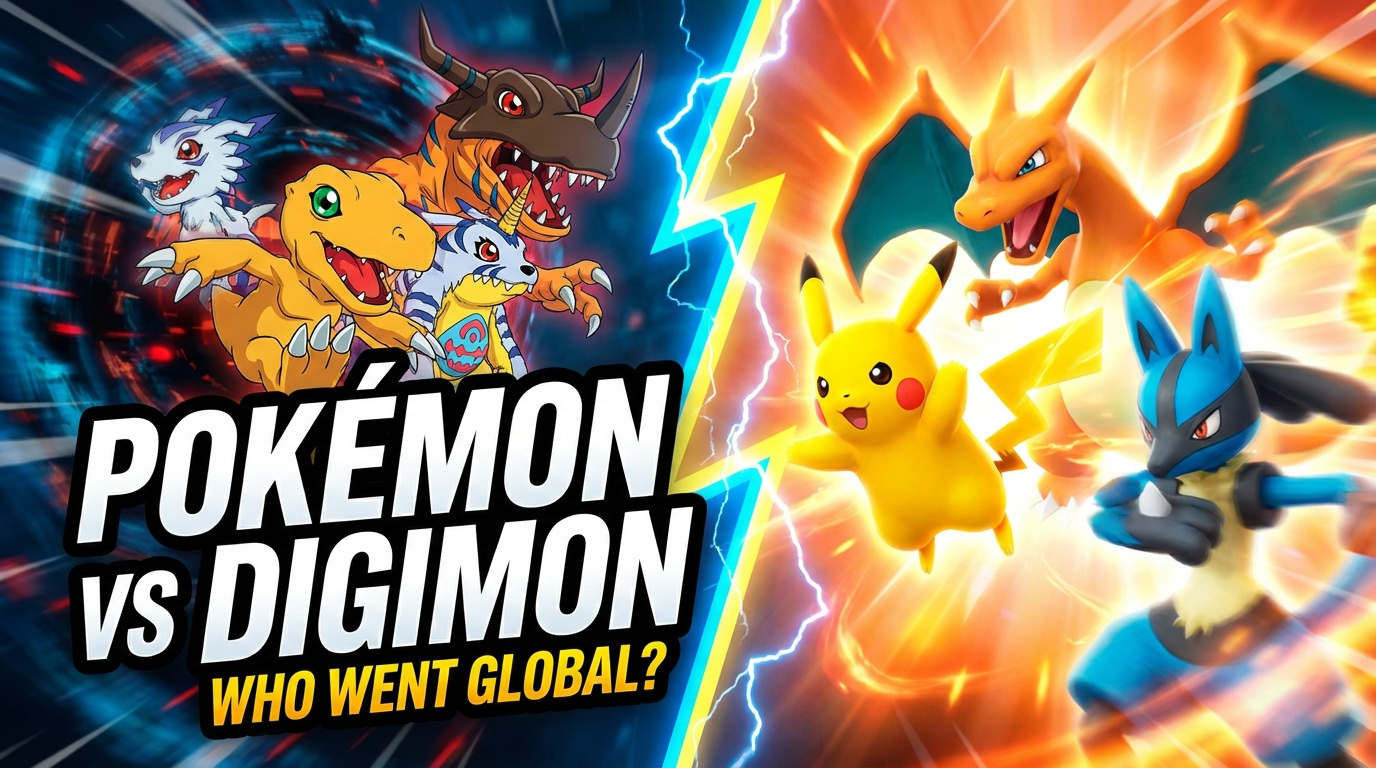
    Pokémon vs. Digimon: Which Franchise Expanded Beyond Games Better?

    Pokémon and Digimon both emerged in the late 1990s and quickly became staples of monster-based entertainment. While both franchises began with games and digital creatures, their paths outside gaming diverged significantly. Today, one stands as a global media powerhouse, while the other maintains a strong but more niche multimedia presence.

    So which franchise truly expanded beyond games better?


    Quick Answer

    Pokémon expanded beyond games far more successfully than Digimon.
    As of 2025, Pokémon dominates anime longevity, theatrical films, trading cards, and merchandise worldwide. Digimon has built a loyal fanbase through anime, cards, and collectibles, but its overall reach and commercial scale remain significantly smaller.


    What Were Pokémon and Digimon Originally?

    • Pokémon debuted in 1996 as Game Boy games developed by Game Freak, with a clear plan to expand into anime, cards, movies, and merchandise.
    • Digimon launched in 1997 as digital pet devices by Bandai and later expanded into anime, games, manga, and trading cards.

    Mini-summary: Pokémon was built from the start as a multimedia franchise, while Digimon evolved outward from toys and serialized storytelling.


    Anime Expansion: Which Franchise Reached More Viewers?

    Pokémon Anime

    • Running continuously since 1997
    • Hundreds of episodes across multiple generations
    • Broadcast and localized globally
    • Regular refreshes that attract new viewers

    Digimon Anime

    • Multiple distinct series such as Adventure, Tamers, and later reboots
    • Stronger focus on character arcs and darker themes
    • Fewer episodes overall and longer gaps between releases

    Winner: Pokémon
    Pokémon’s anime achieved unmatched global reach and consistency, while Digimon’s anime focused on depth over scale.


    Movies and Specials: Who Built the Bigger Film Presence?

    Pokémon Movies

    • More than 20 animated films
    • Regular theatrical releases
    • International distribution tied to game generations
    • Strong merchandising and promotional support

    Digimon Movies

    • Fewer theatrical releases
    • Often aimed at long-time fans
    • Smaller international footprint

    Winner: Pokémon
    Pokémon films consistently reached mainstream audiences worldwide, while Digimon movies remained largely nostalgia-driven.


    Trading Cards: Global Phenomenon vs Niche Success

    Pokémon Trading Card Game

    • One of the most popular trading card games in history
    • Strong competitive scene and collector market
    • Mainstream visibility across multiple generations

    Digimon Card Games

    • Several iterations over the years
    • Dedicated but smaller player base
    • Limited mainstream exposure

    Winner: Pokémon
    Pokémon’s trading cards became a global hobby and collector market far beyond its original games.


    Merchandise and Brand Power

    Pokémon Merchandise

    • Toys, plush, apparel, home goods, and accessories
    • Frequent collaborations with global brands
    • Theme parks, cafés, and pop-up stores
    • Recognized as the highest-grossing media franchise in history

    Digimon Merchandise

    • Figures, devices, apparel, and collectibles
    • Strong nostalgia appeal
    • Smaller-scale releases and limited global presence

    Winner: Pokémon
    Pokémon’s merchandise ecosystem spans ages, regions, and markets, while Digimon remains more focused on its core fanbase.


    Overall Expansion Comparison

    CategoryPokémonDigimon
    Anime ReachGlobal and continuousSmaller and segmented
    MoviesNumerous theatrical releasesLimited releases
    Trading CardsWorldwide phenomenonNiche popularity
    MerchandiseMassive global ecosystemFocused fan market
    Cultural ImpactMainstreamCult following

    Why Pokémon Scaled Bigger Than Digimon

    • Early international anime localization
    • Simple, universally recognizable creature designs
    • Aggressive and consistent merchandising
    • Tight integration between games, anime, cards, and films
    • Broad appeal across age groups

    Digimon prioritized narrative complexity and reinvention, which built loyalty but limited mass-market expansion.


    Final Verdict

    Pokémon expanded beyond games more successfully than Digimon in nearly every measurable area, including anime longevity, movie reach, trading cards, and merchandise scale. Digimon remains respected for its storytelling and thematic depth, but Pokémon achieved global cultural saturation across multiple generations.


    Frequently Asked Questions

    Which franchise has more anime episodes?
    Pokémon, by a large margin.

    Do both franchises still release new content?
    Yes, but Pokémon releases more frequently across all media.

    Which franchise earns more revenue outside games?
    Pokémon, largely through merchandise and trading cards.

    Is Digimon more story-focused than Pokémon?
    Yes, Digimon anime typically emphasizes deeper narrative arcs.


    Top 5 Blog Tags

    • Pokémon vs Digimon
    • Anime Franchise Comparison
    • Video Game Franchises
    • Pokémon Anime and Movies
    • Digimon History
  • The Best Holiday 2025 Gaming Winners: Holiday Sales, Player Counts & What Came Out on Top

    The Best Holiday 2025 Gaming Winners: Holiday Sales, Player Counts & What Came Out on Top

    The 2025 holiday season was one of the most closely watched periods in the video game industry. With higher game prices, slower hardware growth, and fewer blockbuster releases than past years, the question wasn’t just what sold, but which games actually won the holidays.

    By looking at sales performance, player counts, and engagement trends, clear winners emerged across console, PC, and live-service gaming.


    Quick Answer

    The biggest gaming winners of Holiday 2025 were Call of Duty: Black Ops 7, Arc Raiders, and evergreen titles like Minecraft.
    Traditional retail sales favored established franchises, while PC and digital storefronts rewarded strong word-of-mouth and long-term engagement. The holiday season confirmed a shift toward player retention and platform dominance, not just launch-week sales.


    How Holiday 2025 Gaming Winners Were Measured

    To determine the strongest performers, three key metrics were used:

    • Holiday sales rankings (physical and digital)
    • Active player counts and engagement
    • Platform dominance during Black Friday through New Year

    This approach reflects how modern success is measured across console and PC ecosystems, not just unit sales.


    Best-Selling Games of Holiday 2025

    Call of Duty: Black Ops 7

    Call of Duty: Black Ops 7 once again dominated traditional sales charts.

    • Top-selling game in the U.S. during November 2025
    • Strong Black Friday and holiday bundle performance
    • Continued the franchise’s annual sales streak despite broader market softness

    Why it won:
    Call of Duty remains the most reliable holiday franchise in gaming, benefiting from brand loyalty, cross-platform play, and aggressive holiday promotions.

    Mini-summary:
    Black Ops 7 was the retail sales winner of Holiday 2025.


    The Biggest PC & Digital Winner

    Arc Raiders

    Arc Raiders emerged as the surprise breakout hit of the holiday season.

    • Consistently ranked as the top-selling premium game on Steam
    • Maintained strong concurrent player counts throughout December
    • Outperformed several higher-budget AAA releases on PC

    Why it won:
    Arc Raiders benefited from positive reviews, strong streamer exposure, and a price point that resonated with holiday buyers looking for value.

    Mini-summary:
    Arc Raiders was the PC and Steam holiday champion, proving that new IPs can still break through.


    Evergreen Games That Still Dominated the Holidays

    Minecraft

    Minecraft once again demonstrated why evergreen titles remain holiday powerhouses.

    • Consistently high player activity across PC, console, and mobile
    • Strong gift sales during Black Friday and December
    • Continued relevance driven by updates, mods, and creator content

    Why it won:
    Minecraft’s accessibility and multi-platform reach make it a perennial holiday favorite, especially for families and younger players.

    Mini-summary:
    Minecraft was the engagement winner, not reliant on launch cycles.


    Console & Platform Winners of Holiday 2025

    PlayStation 5

    PlayStation 5 led console sales during the holiday window.

    • Highest market share during Black Friday 2025
    • Strong bundle-driven sales
    • Continued momentum over competing platforms

    The strength of PS5 hardware sales helped drive software purchases across major franchises and exclusives.

    Nintendo Switch Family

    Nintendo Switch maintained strong holiday relevance.

    • Continued success with family-friendly and evergreen titles
    • Benefited from price accessibility and gift appeal
    • Strong software attach rates despite aging hardware

    Holiday 2025 Gaming Winners by Category

    CategoryWinner
    Best-Selling GameCall of Duty: Black Ops 7
    Best PC / Steam PerformerArc Raiders
    Highest Player EngagementMinecraft
    Best Console SellerPlayStation 5
    Strongest Evergreen PerformanceMinecraft

    What Holiday 2025 Sales Trends Reveal

    Several clear trends defined the 2025 holiday season:

    • Established franchises still dominate retail
    • PC players reward quality and value over brand size
    • Evergreen games outperform new releases in engagement
    • Player retention matters more than launch-week hype

    This marks a continued shift away from one-time purchases toward long-term ecosystems.


    Frequently Asked Questions

    What was the best-selling game of Holiday 2025?
    Call of Duty: Black Ops 7 led holiday retail sales in the U.S.

    Which game performed best on Steam during the holidays?
    Arc Raiders consistently topped Steam’s premium sales charts.

    Did any new IPs succeed in Holiday 2025?
    Yes. Arc Raiders was the standout new IP success.

    Which game had the most players during the holidays?
    Minecraft remained one of the most played games across all platforms.

    Which console won Holiday 2025 sales?
    PlayStation 5 led console sales during the Black Friday and holiday period.


    Conclusion

    Holiday 2025 showed that winning in modern gaming is no longer about a single metric. Call of Duty: Black Ops 7 proved that blockbuster franchises still own retail sales, while Arc Raiders demonstrated the power of strong PC communities and word-of-mouth momentum. Meanwhile, Minecraft reminded the industry that long-term engagement beats short-term hype.

    The biggest winners of Holiday 2025 were the games and platforms that combined visibility, accessibility, and sustained player engagement. As the industry moves into 2026, these trends are likely to shape how publishers approach future holiday releases.d

  • Minecraft Blast: The New Minecraft Game No One Expected

    Minecraft Blast: The New Minecraft Game No One Expected

    Minecraft has appeared on consoles, PC, mobile devices, classrooms, and even virtual events — but few expected its next expansion to arrive as a match-puzzle mobile game. Yet that’s exactly what happened when Minecraft Blast quietly launched on app stores, catching much of the community off guard.

    Developed through a collaboration with King, the studio behind Candy Crush, Minecraft Blast represents one of the most unusual experiments in the franchise’s history.


    Quick Answer

    Minecraft Blast is a mobile match-puzzle game that reimagines Minecraft characters and themes through casual, Candy Crush-style gameplay.
    It’s designed for quick sessions, broad mobile appeal, and brand expansion rather than traditional sandbox gameplay. Early reactions are mixed, with curiosity from casual players and skepticism from long-time fans.


    What Is Minecraft Blast?

    Minecraft Blast is a match-puzzle game for mobile devices that uses Minecraft characters, colors, and iconography within a familiar casual format.

    Key characteristics include:

    • Tile-matching puzzle gameplay similar to Candy Crush
    • Short, level-based play sessions
    • Familiar Minecraft visuals adapted for a 2D puzzle format
    • Designed primarily for mobile-first audiences

    The game was developed in partnership with King, best known for creating Candy Crush, according to reporting from Kotaku.


    Why This Game Surprised Minecraft Fans

    Minecraft is traditionally associated with:

    • Open-ended sandbox creativity
    • Player freedom and modding
    • Long play sessions and emergent gameplay

    Minecraft Blast does none of those things.

    Instead, it follows a highly structured, casual design philosophy. This disconnect is why many players didn’t expect Minecraft’s next spin-off to look anything like this.

    According to Kotaku, the game appeared with little marketing fanfare, reinforcing the sense that Minecraft Blast is an experiment, not a flagship release.


    How Minecraft Blast Fits Into the Minecraft Brand

    At first glance, Minecraft Blast feels disconnected from the core experience. But from a business and platform perspective, it makes more sense.

    Minecraft as a Platform, Not Just a Game

    Minecraft is increasingly treated as a brand ecosystem, not a single genre. Over the years, Microsoft and Mojang have expanded the franchise through:

    • Education tools
    • Marketplace content
    • Spin-off games
    • Mobile-first experiences

    Minecraft Blast fits this strategy by targeting:

    • Casual mobile players
    • Younger audiences
    • Players who may never touch Java or Bedrock editions

    Rather than replacing Minecraft, Blast exists to extend the brand into new player habits.


    Why Partner With Candy Crush Creator King?

    King brings two things Mojang does not specialize in:

    1. Casual mobile monetization
    2. Mass-market puzzle design

    Match-puzzle games remain one of the most profitable mobile genres in the world. By partnering with King, Microsoft gains access to:

    • Proven mobile engagement strategies
    • Data-driven progression systems
    • A massive casual gaming audience

    This mirrors similar moves by other major IPs that have entered the puzzle space to reach non-traditional players.


    Early Player Reactions

    Initial reactions to Minecraft Blast fall into three broad camps:

    1. Curious Casual Players

    • Appreciate the familiar Minecraft visuals
    • Enjoy quick, low-commitment gameplay
    • View it as a light distraction rather than a core game

    2. Skeptical Core Fans

    • Question whether the game aligns with Minecraft’s identity
    • Express concern over brand dilution
    • Note the lack of creativity compared to mainline Minecraft

    3. Industry Observers

    • See Blast as a low-risk mobile experiment
    • Compare it to other IP-driven puzzle games
    • Watch closely to see how aggressively it’s monetized

    Kotaku notes that much of the surprise stems not from the game’s quality, but from how unexpected it is.


    Is Minecraft Blast a One-Off or the Start of Something Bigger?

    That remains unclear.

    Minecraft Blast could be:

    • A limited experiment to test mobile puzzle engagement
    • A soft launch ahead of wider marketing
    • A template for future Minecraft mobile spin-offs

    What’s clear is that Minecraft continues to expand sideways, not just forward — exploring formats far removed from its sandbox roots.


    Frequently Asked Questions

    Is Minecraft Blast an official Minecraft game?
    Yes. It is an officially licensed Minecraft spin-off developed in collaboration with King.

    Is Minecraft Blast like Candy Crush?
    Yes. The gameplay closely resembles match-puzzle games such as Candy Crush.

    Does Minecraft Blast replace regular Minecraft?
    No. It is a separate mobile spin-off with no impact on Java or Bedrock editions.

    Why did Minecraft make a puzzle game?
    To expand the brand into casual mobile audiences and new monetization spaces.

    Is Minecraft Blast free to play?
    It follows standard mobile puzzle conventions, including free-to-play access with optional purchases.


    Conclusion

    Minecraft Blast is not the game most Minecraft fans were expecting — and that’s exactly why it matters. It reflects how Minecraft has evolved from a single sandbox game into a multi-format global brand.

    While longtime players may never adopt it, Minecraft Blast isn’t designed for them. It’s aimed at casual mobile users, short sessions, and brand familiarity. Whether it becomes a lasting success or a quiet experiment, it shows that Minecraft’s expansion is far from over — and it’s willing to explore some surprising places next.


  • Why GTA Online Still Makes More Money Than Most New Games

    Why GTA Online Still Makes More Money Than Most New Games

    More than a decade after its launch, GTA Online continues to generate more revenue than the majority of newly released video games. While most live-service titles struggle to maintain momentum past their first year, Rockstar’s multiplayer juggernaut remains one of the most profitable products in the entire industry.

    So how is a game mode tied to a 2013 release still outperforming modern blockbusters?


    Quick Answer

    GTA Online still makes more money than most new games because it combines a massive active player base, constant content updates, and one of the most effective microtransaction systems ever created.
    Instead of relying on launch-week sales, it monetizes long-term engagement at a global scale, turning player time into recurring revenue year after year.


    What Is GTA Online?

    GTA Online is the persistent multiplayer component of Grand Theft Auto V, developed by Rockstar Games. It launched in 2013 and has been updated continuously ever since.

    Unlike traditional multiplayer modes, GTA Online functions as:

    • A shared open-world sandbox
    • A live-service economy
    • A social platform for missions, businesses, and roleplay

    It is also one of the primary revenue drivers for Rockstar’s parent company, Take-Two Interactive.


    The Power of a Massive, Persistent Player Base

    The most important reason GTA Online keeps making money is simple: people never stopped playing it.

    • Millions of players log in regularly across console and PC
    • New console generations continuously refresh the audience
    • PC modding and roleplay communities keep the game culturally relevant

    While many new games peak at launch and decline rapidly, GTA Online benefits from long-term player retention, which is far more valuable than one-time purchases.

    Mini-summary:
    A large, stable audience gives Rockstar a reliable revenue foundation most games never achieve.


    Shark Cards: One of the Most Successful Monetization Systems Ever

    GTA Online’s primary revenue source is Shark Cards, optional in-game currency purchases.

    Why they work so well:

    • They save time rather than locking content behind paywalls
    • They integrate naturally into gameplay progression
    • They appeal to both casual and hardcore players
    • They avoid pay-to-win mechanics that cause backlash

    Instead of forcing purchases, GTA Online monetizes convenience and aspiration.

    Many players never spend money. A smaller percentage spends regularly. That small percentage generates enormous revenue.


    Constant Content Without a Sequel Reset

    Unlike most franchises, GTA Online never resets its economy with a sequel.

    Rockstar continually adds:

    • New missions and heists
    • Businesses and vehicles
    • Seasonal and themed events
    • Quality-of-life improvements

    This creates a compounding effect:

    • Old players return for new content
    • New players inherit a massive world of things to do
    • Spending opportunities increase over time

    Most new games launch once and move on. GTA Online never stops launching.


    GTA Online Is a Platform, Not Just a Game Mode

    Over time, GTA Online has become something closer to a platform.

    • Players treat it as a social space
    • Streamers and creators generate constant visibility
    • Roleplay servers turn it into a storytelling engine
    • Mods and custom servers expand its lifespan far beyond official updates

    This platform-like behavior makes it resilient to trends that kill smaller live-service games.


    Low Competition at the Top

    Many publishers have tried to replicate GTA Online’s success. Few have come close.

    Common reasons competitors fail:

    • Over-aggressive monetization
    • Weak post-launch support
    • Smaller worlds with limited replayability
    • Inability to support large social ecosystems

    GTA Online’s scale, polish, and cultural presence create a moat that is extremely difficult to cross.


    Why New Games Can’t Easily Compete

    Most new games:

    • Depend heavily on launch sales
    • Lose players within months
    • Require sequels or reboots to restart revenue
    • Don’t reach a critical mass of long-term spenders

    GTA Online avoids all of these problems. It is already everywhere, already known, and already embedded in gaming culture.


    Does GTA Online Affect GTA 6?

    This question comes up frequently.

    GTA Online’s continued success:

    • Reduces financial pressure on Rockstar
    • Allows longer development cycles
    • Raises expectations for what GTA 6 must deliver

    Rather than holding Rockstar back, GTA Online gives the studio time, leverage, and financial freedom that few developers ever have.


    Frequently Asked Questions

    Does GTA Online still make money in 2025?
    Yes. It remains one of the highest-grossing live-service games in the industry.

    Is GTA Online more profitable than new AAA games?
    In many cases, yes — especially when comparing long-term revenue.

    What is the main source of GTA Online revenue?
    Shark Cards and optional in-game currency purchases.

    Why hasn’t another game replaced GTA Online?
    Because replicating its scale, longevity, and community is extremely difficult.

    Will GTA Online shut down when GTA 6 launches?
    There is no indication of that. Rockstar is likely to evolve the concept rather than abandon it.


    Conclusion

    GTA Online continues to outperform most new games because it solved a problem the industry still struggles with: how to turn long-term engagement into sustainable revenue without alienating players.

    By combining a massive audience, consistent updates, smart monetization, and platform-level community behavior, GTA Online has become one of the most profitable entertainment products ever made.

    New games may launch bigger. Few will ever last longer — or earn more.

  • The Biggest January Transfers in Europe Right Now — Who Won the Window?

    The Biggest January Transfers in Europe Right Now — Who Won the Window?

    The January 2026 transfer window is officially open across Europe’s top leagues. While winter windows are typically quieter than summer ones, key moves can still alter title races, rescue struggling sides, or shape clubs’ long-term futures.

    Here’s a look at the biggest confirmed transfers, what they mean, and which clubs are emerging as winners so far.


    Quick Answer

    Several significant mid-season moves have already reshaped squads in England and Scotland, with Brennan Johnson’s club-record switch to Crystal Palace and West Ham’s big spending among the standouts.
    While heavy-hitting Premier League clubs remain cautious, smart reinforcements and strategic sales could decide relegation scraps and European qualification battles in the second half of the season. Sky Sports+1


    1. Brennan Johnson to Crystal Palace — A Statement Signing

    One of the most eye-catching early January deals saw Brennan Johnson move from Tottenham Hotspur to Crystal Palace for around £35 million.

    Palace broke their club transfer record to secure the Welsh international winger on a four-and-a-half-year contract. Johnson was once a key creative force for Spurs, scoring 18 goals in the 2024/25 Premier League campaign, but he struggled for playing time this season before the move. Reuters

    Why this matters:

    • Palace adds pace, creativity, and goal threat in the league’s middle third.
    • Spurs’ decision to sell a former top scorer reflects squad evolution and transfer strategy shifts.
    • Early January moves like this show ambitious mid-table sides aren’t just window spectators. TalkSport

    2. West Ham’s Spending Signals Attack Boost

    West Ham United have been among the more active Premier League clubs this winter, signing attacking reinforcements to strengthen their bid for European qualification.

    Confirmed signings include:

    • Pablo Felipe from Gil Vicente for reported £20m
    • Taty Castellanos from Lazio for around £25.2m

    These additions inject fresh firepower into a squad that’s finding its feet in both domestic and continental competition. Sky Sports

    Why West Ham look like winners:

    • They’ve addressed depth issues without panic buys.
    • Their additions could be key in tight Premier League and cup fixtures.
    • Strategic investment instead of purely reactive transfers sets them apart. Sky Sports

    3. Celtic’s Smart Loan Move for Julian Araujo

    While the Premier League grabs the headlines, Celtic made a proactive early signing by bringing in Mexican international defender Julián Araujo on loan from Bournemouth.

    The 24-year-old arrives at a critical time as Celtic look to reinforce defensively ahead of key Old Firm clashes and European outings. The Scottish Sun

    Why this matters:

    • Araujo’s experience in MLS and La Liga environments provides leadership in defense.
    • Celtic bolsters a squad balance rather than just spending for spending’s sake.
    • Strong loan acquisitions often offer more value than permanent mid-season purchases. The Scottish Sun

    4. Premier League Window Activity: Overview

    According to transfer trackers, the Premier League window has seen a mix of strategic moves — many clubs electing to recall loaned players or make minor adjustments rather than mega-spending. Sky Sports

    Notable confirmations so far include:

    • Alysson to Aston Villa (from Gremio, £10m)
    • Pascal Gross to Brighton & Hove Albion (from Borussia Dortmund, £1.2m)
    • Brennan Johnson to Crystal Palace (from Tottenham, £35m)
    • Younger players recalled from loans to bolster squad depth

    Despite heavy summer spending across English clubs in 2025, the January window has tilted toward squad optimization rather than blockbuster deals. Sky Sports


    5. Potential Moves and Rumours Shaping the Window

    While confirmed deals give a snapshot of activity, several high-impact rumours and situations are worth watching:

    • Marc Guéhi could move to a major European giant if the valuation is met, with interest from clubs like Manchester City and Bayern Munich — a potential blockbuster if it materializes. The Times
    • Robert Lewandowski has reportedly turned down a lucrative January move to Saudi Arabia, opting to stay at Barcelona for the current campaign, showing that not all big January outs are straightforward. Barca Blaugranes
    • Tactical adjustments at Spurs, including uncertainty around permanent deals such as Joao Palhinha, highlight how January can be as much about departures as arrivals. TalkSport

    These scenarios influence how clubs plan the rest of the window and balance immediate needs versus long-term strategy.


    League-by-League Snapshot

    Premier League: Most activity, with mid-table clubs investing and bigger sides largely selective. Sky Sports

    Scottish Premiership: Celtic’s early proactive move underscores how even outside England’s top tier, January signings can shift title and European qualification battles. The Scottish Sun

    Other Big Five Leagues: Activity remains dynamic, with top leagues across Spain, Italy, Germany, and France seeing strategic adjustments and loan deals — though not yet headline-dominating spending. Football Transfers


    Which Clubs Are Winning the Window So Far?

    Best Value: Crystal Palace — club-record fee for Brennan Johnson adds attacking firepower. Reuters
    Strategic Strengthening: West Ham — targeted signings addressing specific needs. Sky Sports
    Smart Reinforcement: Celtic — effective loan acquisition in a key area. The Scottish Sun
    Quiet but Intentional: Brighton — Pascal Gross addition signals measured improvement. Sky Sports

    As the window progresses, more moves will fine-tune these early conclusions.


    What This Means for the Rest of the Season

    January is traditionally a window of refinement, not revolution. Clubs that use it to shore up weaknesses — whether through clever loans, targeted purchases, or strategic sales — often perform better in the run-in to May.

    This year, the emphasis is on balance and value over headline spending, with clubs using data and tactical planning to supplement squad depth and address key tactical needs mid-season.


    Frequently Asked Questions

    When does the January transfer window close in Europe?
    The 2026 winter transfer window closes at 19:00 GMT on February 2, 2026. Sky Sports

    Who has made the biggest signing so far?
    Crystal Palace’s acquisition of Brennan Johnson is the highest-profile club-record signing confirmed so far. Reuters

    Are there still big deals expected?
    Yes — negotiations are ongoing, and interest in players like Marc Guéhi suggests more top-end moves could happen before the deadline. The Times

    Are the biggest leagues all active?
    The Premier League currently shows the most confirmed moves, but La Liga, Serie A, Bundesliga, and Ligue 1 are gradually completing deals. Football Transfers

    Do January transfers really matter?
    Yes — they can strengthen weak areas, offer tactical flexibility, and tilt tight title races or relegation battles. The Go-Ahead Goal


    Conclusion

    While January windows rarely match the drama and sheer volume of the summer, this year’s mid-season market is already shaping up to have meaningful impact.

    Crystal Palace’s record deal, West Ham’s smart reinforcements, and proactive moves like Celtic’s loan signing show that clubs are using January not just to tinker, but to compete.

    As the deadline approaches, expect more action — and possibly a few surprise winners — before the window finally closes.