Gaming in 2025: A Mixed Bag of Launches
The gaming world is rarely quiet, but 2025 has been especially packed with big releases. From long-awaited sequels to experimental indies, the past few months have delivered a wide spectrum of titles—and reactions. Some launches are being hailed as instant classics, while others face technical woes or mixed reviews. Here’s a roundup of how some of the most notable new games are faring.
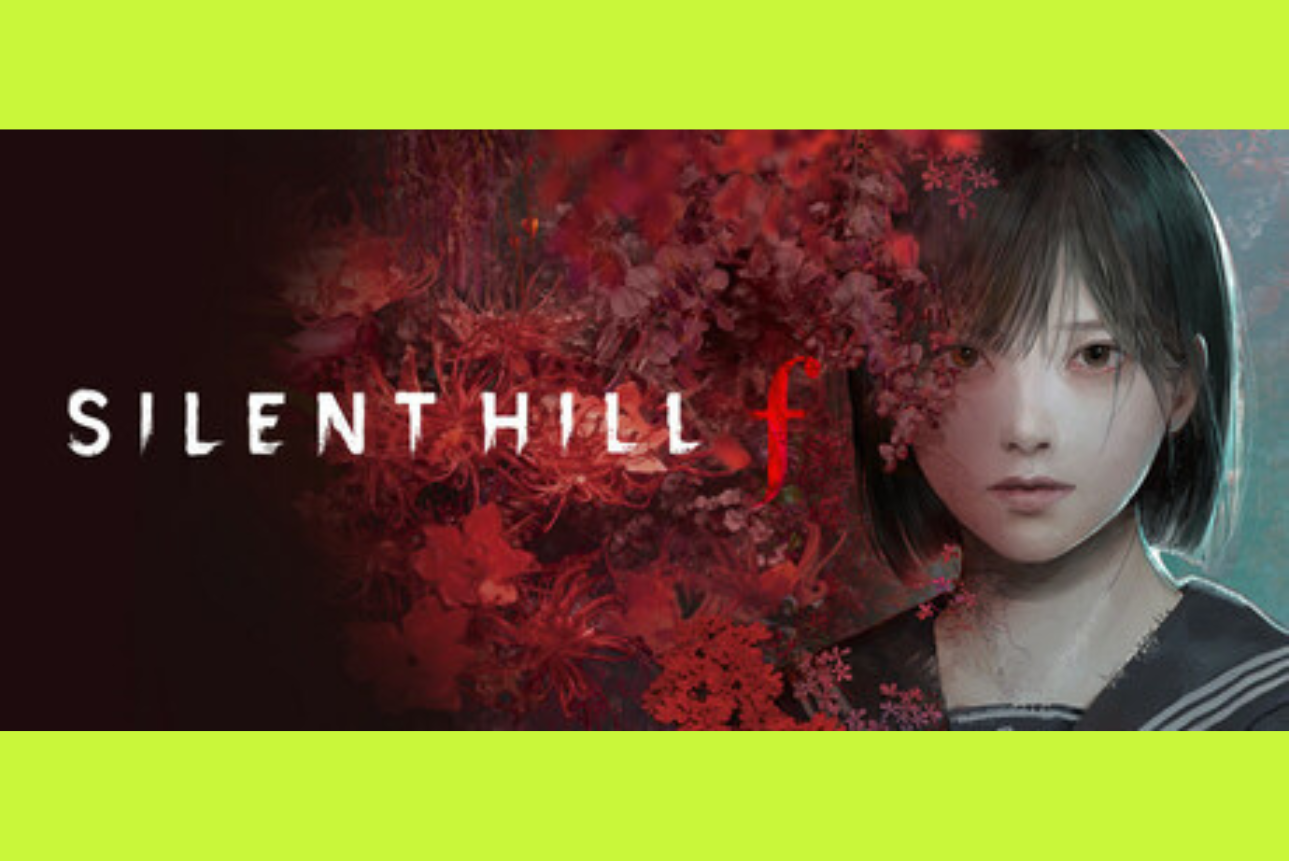
Silent Hill f — A Strong Horror Revival
Konami’s Silent Hill f has quickly proven there’s still a massive appetite for narrative horror. Selling over one million copies in just four days, the game is outperforming the 2023 remake of Silent Hill 2. Critics have praised its chilling storytelling, monster design, and atmosphere, with reviews averaging in the mid-80s on Metacritic.
Some players have flagged pacing issues and minor bugs, but overall, this feels like a landmark moment for the franchise—a true return to form.
Takeaway: Horror is alive and well, and Konami seems to have found the right formula for modern audiences.
Hades 2 — A Rare Sequel Success
Few games were as beloved as Hades, so expectations for its sequel were sky-high. Fortunately, Hades 2 has not only met those expectations but arguably surpassed them.
Having exited early access, the game now sits at “Overwhelmingly Positive” on Steam and recently more than doubled the original game’s peak concurrent players. Fans highlight its refined combat, expanded character relationships, and a deeper, richer world.
Takeaway: Supergiant Games shows how to make a sequel that feels familiar yet fresh—listening to fans while expanding scope and ambition.
Borderlands 4 — Fun Buried Under Frustration
Gearbox’s Borderlands 4 was supposed to bring the looter-shooter franchise roaring back. Instead, its launch has been marred by performance issues, frequent crashes, and stability problems, leading to “Mostly Negative” user reviews on Steam.
A day-one patch has alleviated some problems, but the rocky debut has overshadowed the game’s trademark humor, chaotic co-op, and over-the-top loot systems.
Takeaway: Technical stability remains critical. Even beloved franchises can struggle if they stumble at launch.
Stormgate — RTS Revival or Growing Pains?
From former StarCraft and Warcraft developers, Stormgate was pitched as the spiritual successor to classic RTS. After leaving Early Access, it launched to mixed reviews, with around 50% positive user ratings on Steam.
Players enjoy its tactical depth and clear nods to RTS history, but others criticize balance issues, lack of polish, and a thin feature set at launch. The developers stress this is just the beginning of a long development roadmap.
Takeaway: RTS fans may need patience, but Stormgate could grow into something special with sustained support.
Hollow Knight: Silksong — Finally Here, and Worth the Wait
After years of delays, Silksong finally launched in September 2025. The follow-up to the indie darling Hollow Knight has been met with critical acclaim, praised for its fluid combat, expanded world design, and stunning art direction.
Fans highlight how it respects the DNA of the first game while introducing fresh mechanics and a new protagonist, Hornet. Some reviews note the difficulty spike feels harsher, but for many, that’s part of the charm.
Takeaway: Sometimes, patience pays off—Silksong is shaping up to be another indie classic.
What These Launches Tell Us
The mixed receptions of these titles highlight a few trends:
- Quality control at launch is more important than ever. Borderlands 4’s issues show how technical stumbles can dominate conversation.
- Sequels can succeed—if they evolve meaningfully. Both Hades 2 and Silksong prove that iterative design with fresh twists resonates.
- Niche genres are thriving again. Silent Hill f and Stormgate show that horror and RTS can still find passionate audiences when executed well.
- Indie creativity remains vital. Games like Silksong remind us that small teams can produce industry-defining experiences.
Conclusion
2025’s game launches reveal a landscape in flux. Some titles are runaway hits, others need more time and patchwork, and a few fall somewhere in the middle. What’s clear is that player expectations are higher than ever—polish, innovation, and community engagement are essential for long-term success.
The question is: which of these games will we still be talking about in five years?
Leave a Reply