Blog

  • Why GTA VI’s Delay to November 2026 Is a Strategic Move, Not a Setback

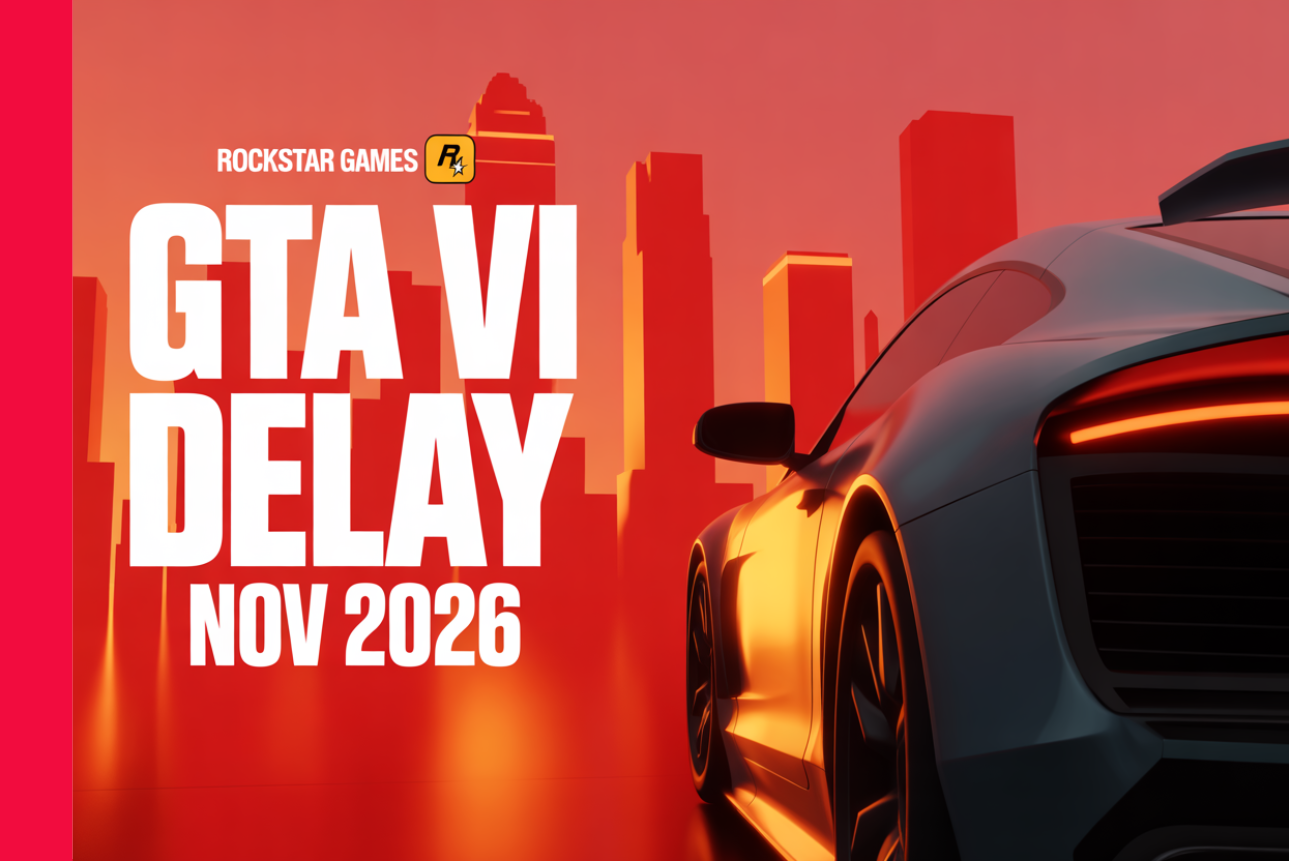
    Why GTA VI’s Delay to November 2026 Is a Strategic Move, Not a Setback

    Rockstar Games has officially pushed the release of Grand Theft Auto VI to 19 November 2026, extending one of the most anticipated waits in gaming history. While delays often spark frustration, this move may actually reflect a calculated and beneficial strategy — both for Rockstar and for players. Here’s why this delay may be more of a long-term advantage than a setback.


    What Happened With the Delay

    Take-Two Interactive, Rockstar’s parent company, confirmed the new release window following internal reviews of development progress. Major AAA games — especially open-world titles of GTA’s scale — often require extended production cycles to meet rising standards around performance, story, scope, and technical stability.

    Yet GTA VI carries deeper expectations due to the unprecedented success of its predecessor. With GTA V still charting revenue more than a decade after launch, the next installment faces enormous pressure to deliver.


    Why the Delay Makes Strategic Sense

    1. Quality Control Is a Non-Negotiable for Rockstar

    Rockstar is known for long development periods, meticulous detail, and high production value. A rushed launch risks technical issues that could harm the brand. The delay suggests Rockstar is prioritizing:

    • A stable launch across next-gen hardware
    • A polished open world that meets expectations
    • Enough time to refine new systems, storylines, and mechanics

    For a game expected to define the decade, quality is worth the wait.

    2. Protecting the GTA Brand’s Long-Term Value

    GTA isn’t just a franchise — it’s a cultural product worth billions. A poorly received launch would create lasting reputational damage. By taking additional time, Rockstar is safeguarding:

    • Long-term sales
    • Platform longevity
    • Expansion and DLC flexibility
    • Brand equity for future projects

    Delaying ensures GTA VI reinforces the series’ status instead of jeopardizing it.

    3. Market Timing Works in Rockstar’s Favor

    A 2026 launch positions GTA VI to take advantage of:

    • A more mature console generation
    • Stabilized hardware supplies
    • Expanded install bases for PS5 and Xbox Series X/S
    • A less crowded AAA release landscape

    Fewer competing mega-titles mean GTA VI can dominate the holiday conversation — and sales charts.

    4. Financially, a Delay May Actually Benefit Take-Two

    Analysts note that the delay gives Take-Two time to restructure forecasts and build anticipation. A longer runway can:

    • Strengthen pre-order campaigns
    • Maximize marketing impact
    • Improve investor confidence through transparency
    • Ensure higher sales at launch due to a larger hardware base

    In other words, the delay could increase revenue rather than reduce it.

    5. Fan Expectations Are Too High for Anything Less Than Excellence

    The community may be impatient, but expectations for GTA VI are unprecedented. Between leaks, rumours, and years of speculation, Rockstar knows it can’t release a “good” game — it must release a generation-defining one.

    Delivering on that promise takes time.


    Potential Risks — and Why They’re Manageable

    Naturally, long delays come with challenges:

    • Fan fatigue
    • Rising development costs
    • Increased scrutiny
    • Pressure to outperform every existing open-world game

    However, Rockstar’s track record, strong financial backing, and stable brand loyalty all position the studio to overcome these risks. GTA V and Red Dead Redemption 2 demonstrated that taking extra years can lead to monumental commercial and critical success.


    What to Watch Next

    In the lead-up to release, key indicators will help reveal how the delay is paying off:

    • Updated trailers or gameplay showcases
    • New developer insights or marketing beats
    • Possible technology reveals (AI NPC systems, world simulation upgrades)
    • Clues about launch strategies or platform exclusives
    • Community sentiment and traction across social platforms

    As these pieces come together, we’ll better understand how Rockstar is shaping its next flagship world.


    Conclusion

    GTA VI’s delay to November 2026 may frustrate fans, but from a strategic standpoint, the decision aligns with Rockstar’s long history of prioritizing quality, stability, and market impact over rushing to release. With expectations higher than ever, taking the additional time is both a creative and financial investment in the future of the franchise.

    Question for readers: Do you prefer Rockstar take its time to perfect GTA VI, or do you feel the long wait has stretched too far?
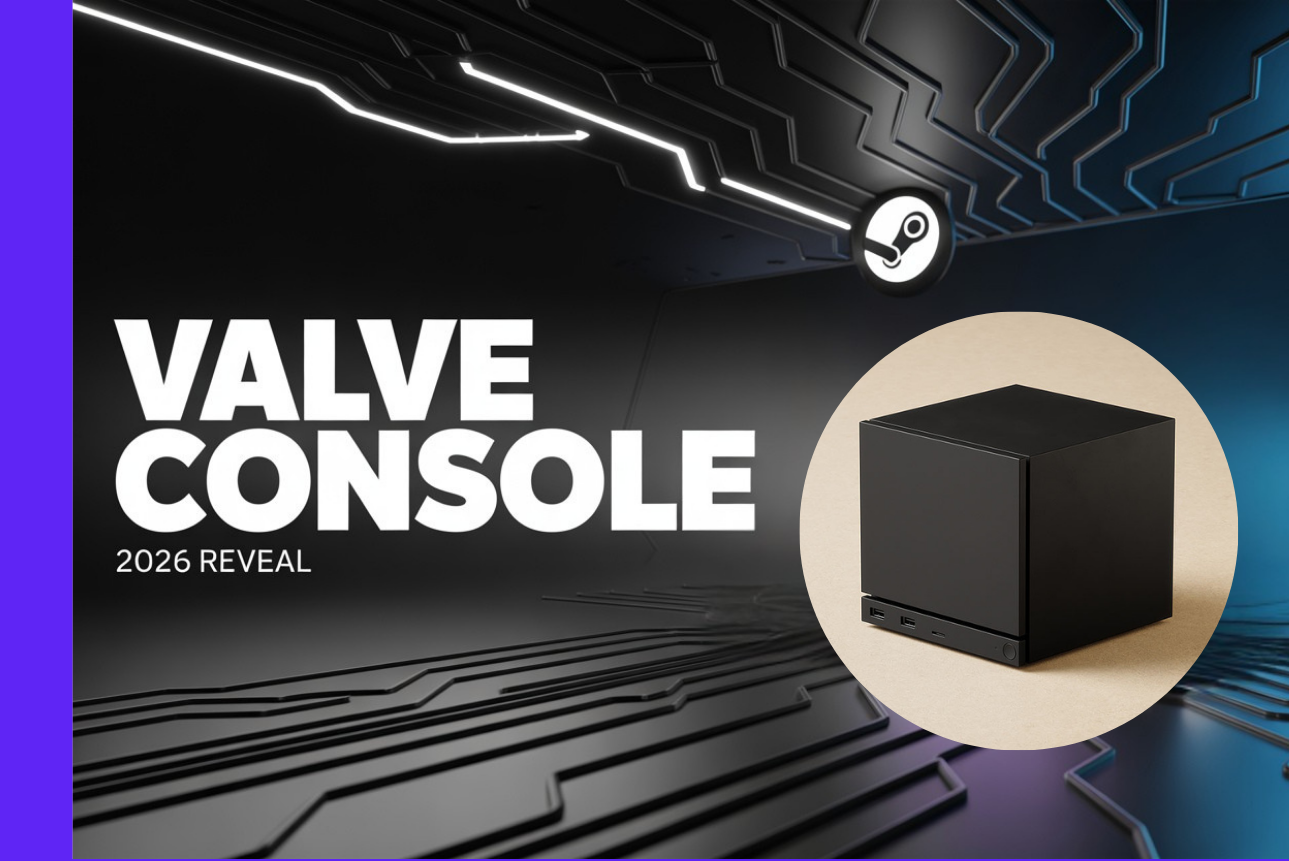

  • From Steam Deck to TV Box: Valve’s 2026 Console and the Future of Home Gaming

    From Steam Deck to TV Box: Valve’s 2026 Console and the Future of Home Gaming

    Valve has confirmed plans to launch a new console-style gaming device in early 2026 — a move that has caught the industry’s attention. Known informally as the next evolution of the “Steam Machine,” the device aims to bring PC power and the Steam library directly into the living room. As PC and console ecosystems continue to overlap, Valve’s hardware ambitions could meaningfully shift the gaming landscape over the next few years.


    What Valve Has Announced

    A New Living-Room-Focused Gaming Device

    Valve’s upcoming hardware is designed as a compact, console-like system running SteamOS. Unlike traditional consoles, the device is expected to support the full Steam library while offering performance that far exceeds handheld hardware like the Steam Deck. Early details suggest a focus on 4K gaming, strong thermal design, and a streamlined, couch-friendly interface.

    Expected Power and Features

    While full specifications haven’t been officially published, Valve has described the device as significantly more powerful than the Steam Deck. Reports indicate it may feature an AMD Zen 4–based CPU paired with a custom RDNA-based GPU, making it capable of modern AAA performance in a box small enough to sit under a TV.

    Additional expectations include:

    • Seamless controller support
    • A simplified TV-first UI
    • Storage options comparable to modern consoles
    • The flexibility to install other operating systems if desired

    Launch Window and Pricing Signals

    Valve has targeted an early-2026 release window. Pricing remains unconfirmed; however, the company has hinted that cost will be “comparable to a PC with similar specs.” That could make the device more expensive than traditional consoles — or highly competitive, depending on final configuration.


    Why Valve’s Console Matters

    Blurring the Line Between PC and Console

    The device aims to offer PC freedom with console simplicity. For console players, it represents an approachable way to access Steam’s massive catalog. For PC gamers, it provides a streamlined, couch-ready system without the hassle of building or maintaining a desktop.

    The push toward hybrid experiences is not new, but Valve’s ecosystem strength makes this effort one to watch closely.

    Pressure on Traditional Console Makers

    If Valve delivers strong performance and a polished living-room experience, Xbox and PlayStation may face new pressure around value, performance, and ecosystem flexibility. While exclusive titles remain a major advantage for traditional consoles, the appeal of an open, PC-like platform with a vast existing library could reshape how players think about upgrading hardware.

    Implications for Developers

    A new hybrid platform could encourage developers to optimize their games differently — especially around input, UI design, and performance targeting. The ability to build once for both PC and Valve’s console-style system may reduce development friction, particularly for smaller studios. Publisher strategies may also shift as hardware boundaries continue to soften.


    Challenges and Open Questions

    How Much Will It Cost?

    Valve’s suggestion that pricing will align with PC-level specs raises a key issue: affordability. If priced too high, the device may appeal primarily to enthusiasts, limiting its mainstream impact. Conversely, a competitive price could make it a legitimate alternative to traditional consoles.

    The Need for a Cohesive Couch Experience

    A strong controller experience, intuitive interface, and consistent performance will be critical. PC-based systems have historically struggled to match console smoothness in living-room environments. Valve will need to demonstrate that SteamOS can deliver polish at the level console players expect.

    Consumer Perception

    Is this a console? A mini-PC? A Steam Deck for the TV? Valve’s messaging will play a major role in how the device is received. Clear positioning will determine whether the product becomes a disruptor or a niche experiment.


    What to Watch Next

    In the months ahead, key indicators will signal how seriously the industry should take Valve’s console effort:

    • Final pricing and SKUs
    • Global or limited launch regions
    • Accessory bundles (controller, dock, storage tiers)
    • Potential exclusive partnerships or first-party titles
    • Developer adoption and optimization support
    • Hardware competition from Sony, Microsoft, and Nintendo

    If Valve executes well, the device could accelerate a shift toward unified, PC-driven gaming ecosystems — and meaningfully alter how living-room gaming is defined.


    Conclusion

    Valve’s planned 2026 console isn’t just another device launch — it’s a statement about where gaming is heading. As PC and console categories continue to merge, Valve is positioning itself at the center of that transition. Whether this system becomes a mainstream contender or a high-end niche product will depend on execution, pricing, and ecosystem polish. Still, it represents one of the most significant hardware developments on the horizon.

    What do you think? If Valve offers competitive pricing and strong performance, would you consider replacing your console or gaming PC with it?

  • From Messi to Mbappé: The Changing Face of Global Football Stardom

    From Messi to Mbappé: The Changing Face of Global Football Stardom

    The era of Lionel Messi and Cristiano Ronaldo defined more than a decade of football. Their rivalry, brilliance, and dominance shaped the sport’s global narrative, captivating billions of fans. But as one generation steps back, a new wave of stars is emerging — rewriting what it means to be a football icon in the modern age.


    The End of an Era

    Messi and Ronaldo transformed football not just through goals and trophies but through influence. They elevated personal branding, inspired global fan cultures, and turned every match into a media spectacle. Between them, they amassed over 70 major titles and 1,600 career goals, setting records that may never be broken.

    Yet time moves on. Messi, now in the twilight of his career with Inter Miami, continues to draw crowds in the United States, while Ronaldo remains a global ambassador for the game in Saudi Arabia. Their stories now represent legacy — not dominance.


    The New Generation: Mbappé, Haaland, Bellingham

    As the legends fade from the spotlight, a new generation is carrying football into its next era.

    Kylian Mbappé embodies the modern superstar: fast, fearless, and globally marketable. At just 26, he’s already a World Cup champion and one of the most recognizable faces in sport. His recent move to Real Madrid symbolized a new chapter in European football — one centered around youth, athleticism, and global appeal.

    Erling Haaland, meanwhile, represents the rise of data-driven excellence. His incredible efficiency in front of goal and machine-like consistency reflect football’s new era of athletic optimization. At Manchester City, he’s part of a tactical system that maximizes precision and intelligence over flair alone.

    Jude Bellingham, still only in his early twenties, has become Real Madrid’s midfield talisman and a symbol of leadership beyond his years. He bridges the gap between the sport’s tradition and its future, blending discipline, creativity, and humility — traits that resonate deeply with fans.


    The Changing Definition of Stardom

    Today’s football stars live in a radically different ecosystem. The rise of social media, streaming, and digital fandom has changed how players connect with audiences. Unlike the controlled image-making of the Messi-Ronaldo era, modern stars cultivate their brands in real time — through Instagram posts, behind-the-scenes documentaries, and global sponsorships.

    In many ways, fame has become more democratic. Players can now build influence outside of traditional powerhouse clubs or leagues. Think of stars like Vinícius Júnior, Khvicha Kvaratskhelia, or Sophia Smith in women’s football — each with massive followings and global recognition driven by personality and digital reach as much as on-field success.


    Globalization and the New Football Economy

    The globalization of football has accelerated this shift. Streaming services and social media have given fans access to every major league, from the Premier League to the Saudi Pro League and MLS. A player’s popularity is now as dependent on digital visibility as on televised performance.

    Clubs, too, have adjusted — signing players not just for their ability but for their marketability. The line between athlete and brand ambassador has blurred, with players becoming cultural icons, influencers, and even entrepreneurs.


    The Future of Football Stardom

    As we move further into the 2020s, the idea of a single global superstar like Messi or Ronaldo may no longer exist. Instead, the game is entering an era of shared spotlight, where multiple players can dominate attention across different regions and platforms.

    Football’s future will be defined not by one rivalry, but by a network of stars — each representing different styles, cultures, and generations. In that diversity lies the sport’s enduring power: its ability to evolve, inspire, and unite fans worldwide.

  • From Microtransactions to Major Backlash: Are Players Finally Fighting Back?

    From Microtransactions to Major Backlash: Are Players Finally Fighting Back?

    The gaming industry has long relied on microtransactions — those small, optional purchases for in-game items, skins, or boosts — to generate massive profits. What started as a convenience-based model has, for many, turned into a frustration point. But in 2025, signs suggest that players are finally drawing a line.


    The Rise of Microtransactions

    When microtransactions first appeared in mainstream gaming in the late 2000s, they were seen as harmless additions: a way to support free-to-play titles or extend a game’s life. Over time, however, they became central to the business model. Major publishers like Electronic Arts, Ubisoft, and Activision Blizzard began incorporating monetization into nearly every genre — from shooters to sports simulations.

    By the 2010s, the phrase “pay-to-win” entered the gamer’s vocabulary, describing systems where those who spent more money gained unfair advantages. Loot boxes, randomized cosmetic rewards, and premium currencies blurred the line between entertainment and gambling.


    The Player Pushback

    In recent years, a cultural shift has emerged. Gamers are becoming more vocal, coordinated, and unwilling to accept aggressive monetization. Social media campaigns, review bombing, and organized boycotts have pressured companies to rethink their approach. The EA “Battlefront II” controversy in 2017 — which led to the temporary removal of loot boxes — is often cited as the moment the backlash began.

    Fast forward to today: Overwatch 2, NBA 2K, and FIFA Ultimate Team continue to face community criticism for their heavy reliance on monetized progression. Meanwhile, indie and mid-sized developers are leaning into the backlash, promoting their games as microtransaction-free experiences, winning players’ trust in the process.


    The Industry’s Response

    Publishers are beginning to take notice. Some studios are experimenting with more transparent systems, such as battle passes or direct-purchase cosmetics, which give players clearer control over what they’re buying. Others are integrating monetization in ways that don’t affect gameplay balance — cosmetic-only items, season passes, or optional DLC expansions.

    At the same time, legislators and regulators in regions like the EU and the U.S. are increasingly scrutinizing loot box mechanics as potential forms of gambling. This external pressure is accelerating the industry’s move toward fairer models.


    A Shift Toward Value and Transparency

    The growing backlash has also reignited discussions about value. Gamers are showing a willingness to pay more upfront for complete experiences — as long as they feel respected. Titles like Baldur’s Gate 3, Elden Ring, and Hades II have proven that quality-driven design can outperform monetization-heavy models, both critically and commercially.

    Developers who prioritize player trust are finding long-term success, while those who prioritize short-term profit risk alienating their audience. This cultural realignment may define the next decade of gaming economics.


    Conclusion

    Microtransactions are unlikely to disappear completely — they’re too profitable for studios to abandon entirely. But the power dynamic is shifting. As players demand transparency, fairness, and respect for their time and money, publishers are being forced to adapt.

    The question isn’t whether microtransactions will survive — it’s whether gamers will continue to let them thrive.

  • What’s New in Minecraft: The ‘Mounts of Mayhem’ Update & More

    What’s New in Minecraft: The ‘Mounts of Mayhem’ Update & More

    Introduction

    Even after more than a decade, Minecraft continues to evolve in surprising ways. With the recent announcements from Mojang Studios, the game is branching into new directions — from desert-biome challenges to deeper modding support. Here’s a breakdown of what’s new, why it matters, and what it could mean for the world of Minecraft building and survival.


    What’s New: Key Highlights

    • Desert-Based Mobs & Mount Enhancements

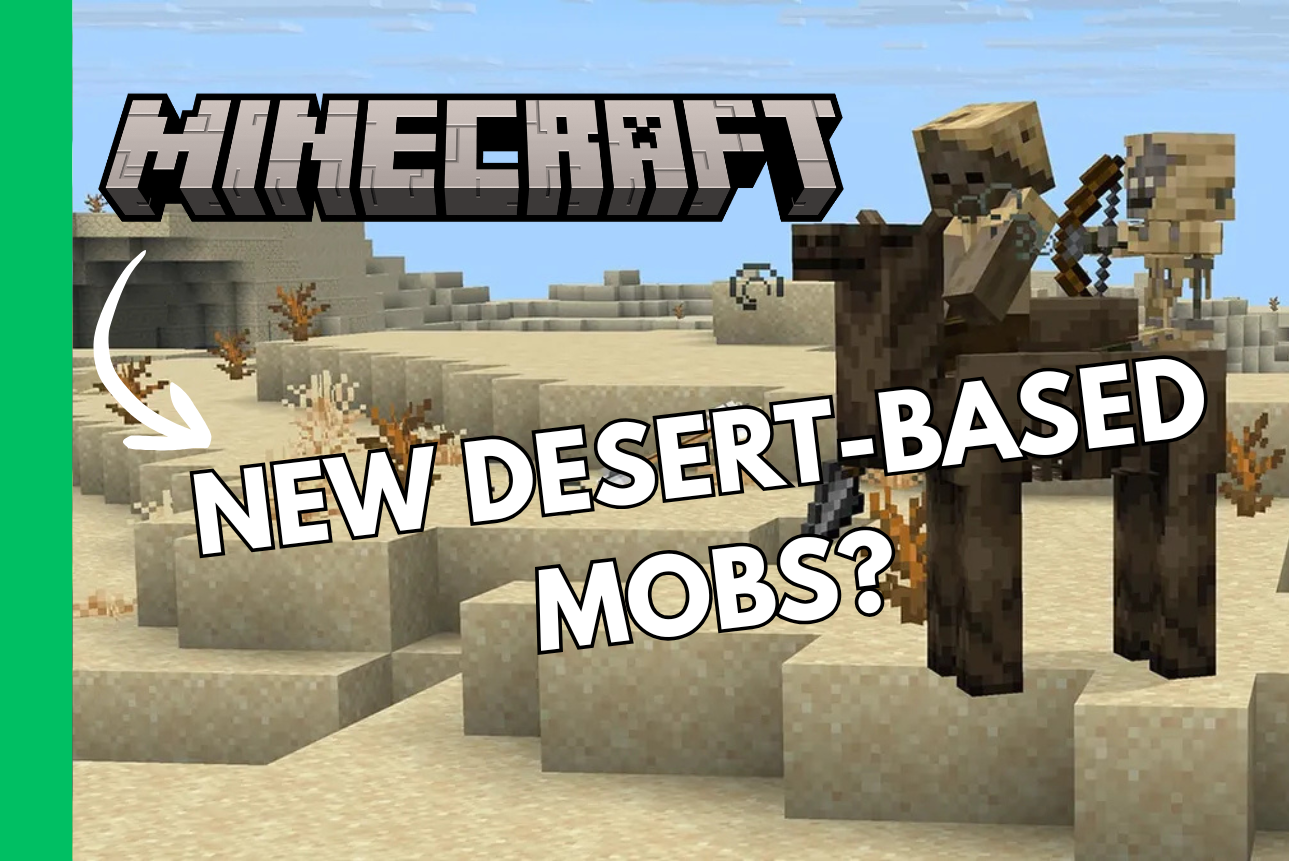
    In the upcoming update titled “Mounts of Mayhem”, Mojang revealed two fresh desert mobs: the Camel Husk (an undead camel mount-type creature) and the Parched (a skeleton variant that does not burn in daylight). GamesRadar++1
    Additionally: all mounts — not just aquatic ones — will gain the ability to swim (albeit more slowly), significantly improving travel across water bodies. PC Gamer+1
    These features are already available in the Java Edition snapshot; Bedrock previews are forthcoming. GamesRadar++2PCGamesN+2

    • Modding Support Gets a Boost

    In a major move for creators, Mojang is finally making more of Minecraft: Java Edition’s code accessible — aiming to “make it quicker and easier for modders to create and improve mods.” GamesRadar+
    This signals a renewed push toward community-driven content, which could open new possibilities in custom maps, behaviours, and gameplay mechanics.

    • Update Timeline & Naming

    While a definitive release date isn’t yet locked in, industry tracking suggests the “Mounts of Mayhem” drop is likely slated for December 2025. PCGamesN+1 Meanwhile, the ongoing build “The Copper Age” earlier introduced a host of smaller early-game and progression changes. Minecraft.net+1


    Why It Matters

    • Renewed Biome & Mobility Depth: The new desert mobs and swimming mounts breathe fresh life into terrains that many players have long considered “done” (like deserts or oceans). This can rejuvenate exploration and gameplay hours.
    • Creative Empowerment: By opening up more of the code for modders, Minecraft strengthens its ecosystem—encouraging innovation, custom modes, and community-led evolution rather than just developer-led updates.
    • Platform Parity & Engagement: Updating both Java and Bedrock editions (albeit slightly differently) shows Mojang’s commitment to unifying player bases, while still catering to the strengths of each version.

    What to Watch & What Could Happen Next

    • Snapshot Performance & Bugs: As ever with Minecraft updates, early snapshots may carry bugs or balance issues (especially with mounts swimming, new mobs). Players exploring them now should expect some rough edges.
    • Modding Tools & Community Uptake: How quickly modders take advantage of the opened code will be critical. Will we see entirely new mechanics (e.g., new movement types, mounts, biomes) within months?
    • Expansion of Mobility/World Mechanics: Swimming mounts and desert riders hint at larger mobility systems. Could this foreshadow more traversal overhauls (gliding, flying, advanced mounts) in future drops?
    • Desert Biome Revamp as Template: The focus on desert environments may prescribe how Mojang will approach revisiting “low-attention” biomes such as jungles, swamps or themes like underground worlds.

    Conclusion

    The upcoming “Mounts of Mayhem” update and the expanded modding support mark a refreshing chapter for Minecraft. Whether you’re a builder, explorer, modder or simply a longtime fan, there’s now more reason than ever to revisit the game and look ahead. The world of blocks is shifting — and it might just get a little wilder.

  • Cyberpunk 2077: Orion Prelude – What We Know So Far

    Cyberpunk 2077: Orion Prelude – What We Know So Far

    Cyberpunk 2077: Orion Prelude – What We Know So Far

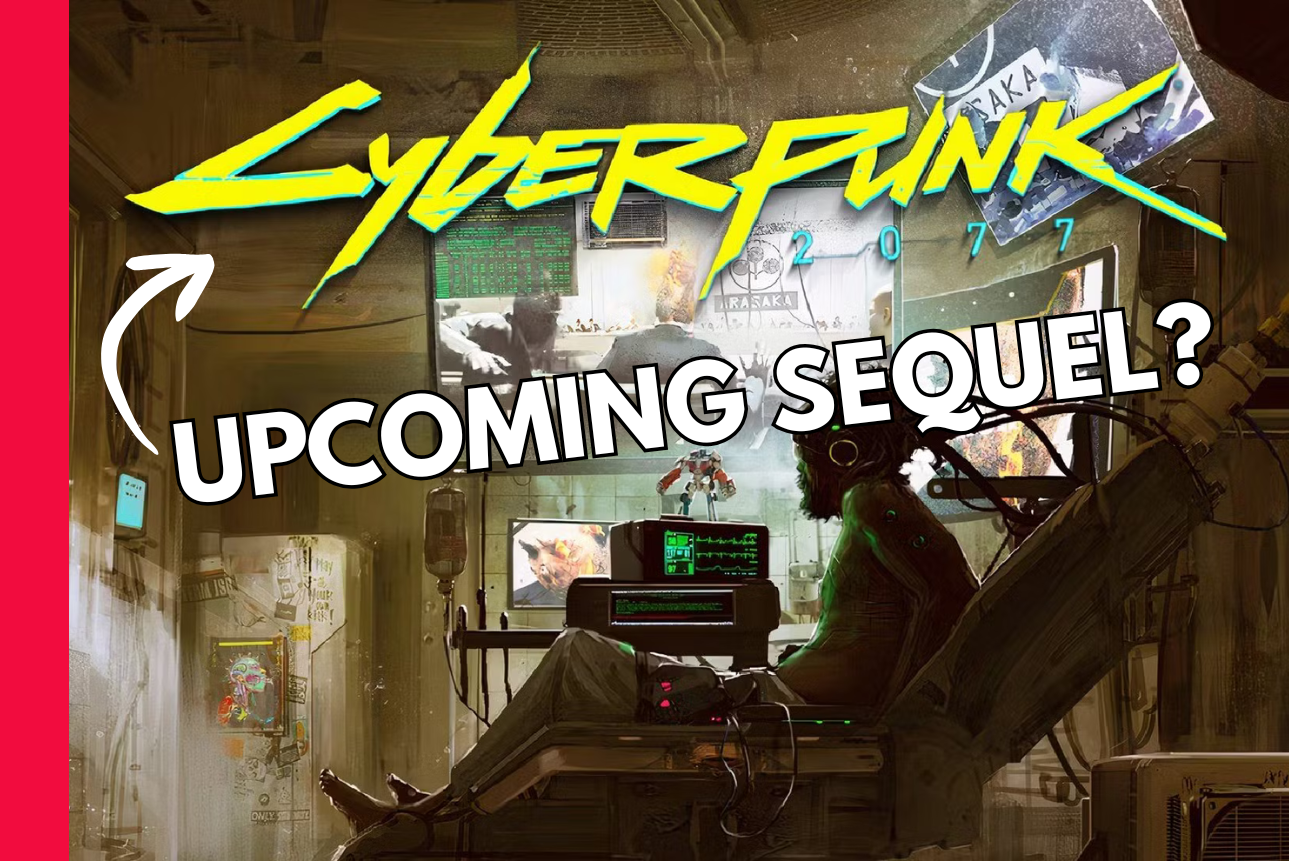
    CD Projekt Red’s next major step in the Cyberpunk franchise, codenamed Project Orion, has fans buzzing with anticipation. While not yet released, this upcoming sequel—sometimes referred to by fans as Cyberpunk 2077: Orion Prelude—promises to build on the redemption arc that began after the rocky launch of the original 2020 game.


    A Sequel in Development

    According to official statements from CD Projekt Red, Project Orion is currently in early development at the studio’s new North American branch in Boston. The game is expected to continue the Cyberpunk narrative, exploring new stories beyond Night City. Developers have hinted at deeper world-building, more reactive AI, and expanded player choices that will reflect lessons learned from Cyberpunk 2077 and its acclaimed Phantom Liberty expansion.

    While no gameplay footage or release date has been revealed, the studio has emphasized that Orion will showcase the full potential of its REDengine successor, built on Unreal Engine 5. This marks a significant technical evolution for the franchise.


    What to Expect

    Fans can likely expect a world that feels even more alive—more dynamic NPCs, advanced physics, and perhaps multiple major cities rather than a single dense hub. The narrative direction remains secret, but speculation suggests new protagonists and storylines that dive deeper into corporate power struggles and transhumanism.

    Given CDPR’s renewed focus on quality control and realistic development timelines, it’s safe to say that Orion Prelude won’t be rushed. If early production schedules hold, we might not see it until 2027 or later.


    Why It Matters

    Cyberpunk 2077’s journey from controversy to cult classic demonstrates the resilience of both the developers and the community. With Orion Prelude, CD Projekt Red has a chance to redefine cyberpunk storytelling for the next generation. The franchise’s potential remains enormous — blending open-world RPG depth with sharp social commentary and technological innovation.


    Conclusion

    While still in development, Cyberpunk 2077: Orion Prelude symbolizes CD Projekt Red’s commitment to evolution and redemption. For fans of immersive sci-fi worlds, it represents the next frontier — a promise that Night City’s legacy is only just beginning.


  • Best PC Games of 2025: What You Should Be Playing

    Best PC Games of 2025: What You Should Be Playing

    The Top 5 Games of 2025

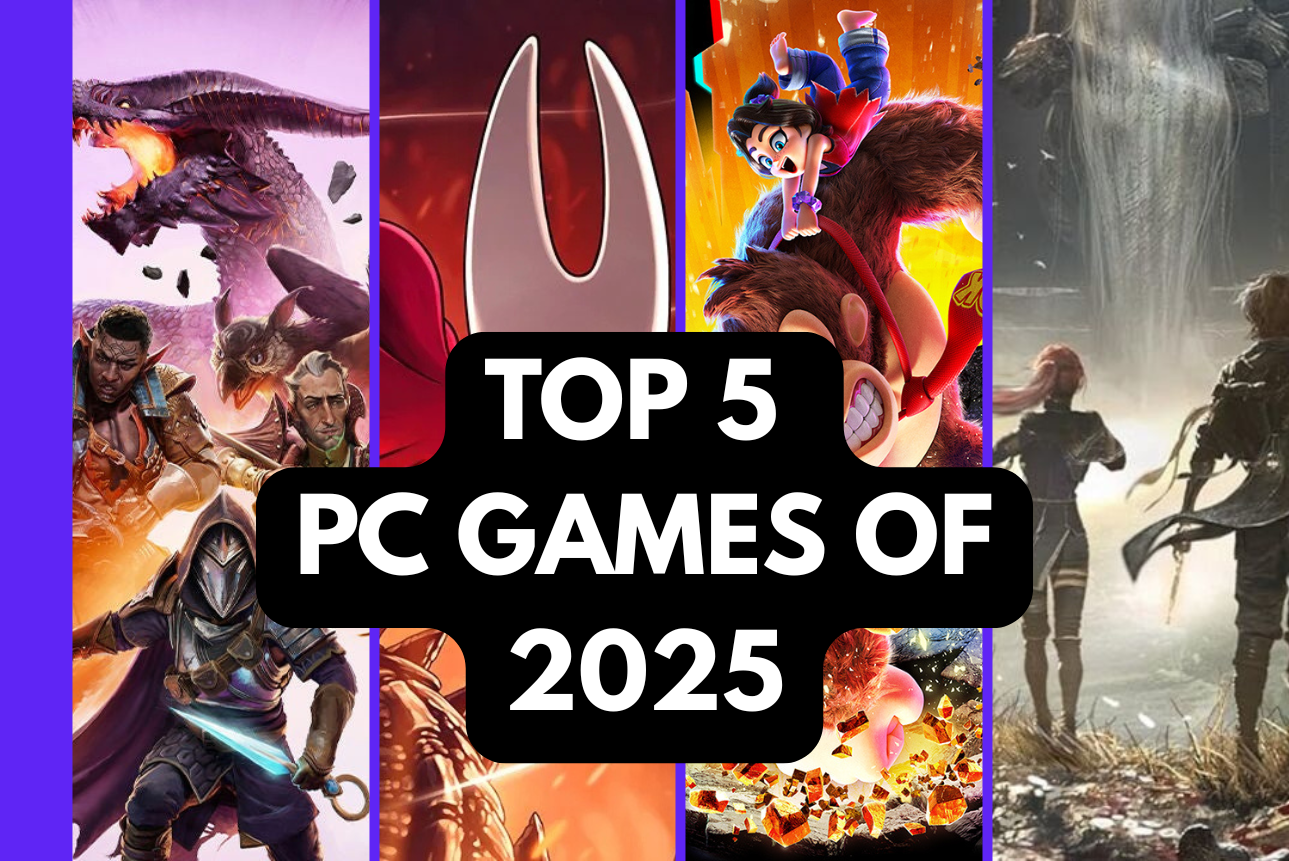
    As 2025 unfolds, gaming continues to evolve—blurring the line between art, technology, and player experience. From haunting indie worlds to cinematic storytelling and next-gen mechanics, this year’s standout titles prove just how far developers are pushing creativity and execution. Below are five games that define the year—each remarkable in its own way.

    1. Hollow Knight: Silksong
    After years of anticipation, Hollow Knight: Silksong has finally emerged as a triumph of precision and challenge. Team Cherry’s sequel refines everything that made the original iconic—razor-sharp combat, intricate exploration, and a hauntingly beautiful atmosphere. Its difficulty is deliberate and rewarding, demanding mastery while constantly revealing layers of artistry. Silksong isn’t just a game; it’s a test of skill wrapped in stunning visual design.

    2. Kingdom Come: Deliverance 2
    Warhorse Studios returns with a bold, historically grounded RPG that redefines realism in medieval storytelling. Kingdom Come: Deliverance 2 builds upon its predecessor with deeper combat systems, more reactive NPCs, and seamless world immersion. Every sword swing, dialogue choice, and political decision feels weighty and authentic. It’s a reminder that grounded, human-driven stories can still stand tall amid a sea of fantasy epics.

    3. Clair Obscur: Expedition 33
    One of the most surprising hits of 2025, Clair Obscur: Expedition 33 proves that brilliance doesn’t require a massive studio. Created by a small, passionate team, this turn-based-meets-real-time RPG blends painterly visuals with emotional storytelling and fluid combat rhythm. It’s an indie masterpiece that delivers AAA-level execution through sheer vision and craft—earning its place among the year’s best through innovation, elegance, and heart.

    4. Death Stranding 2: On the Beach
    Hideo Kojima’s return to his surreal universe once again bends the boundaries of narrative design. Death Stranding 2: On the Beach deepens its exploration of isolation, connection, and rebuilding, backed by striking performances and cinematic direction. It fuses gameplay and storytelling into one continuous emotional journey—less about combat, more about meaning. Few games this year feel as ambitious or as personal.

    5. Donkey Kong Bananza
    Nintendo’s Donkey Kong Bananza brings raw, kinetic joy back to platforming. Exclusive to Switch 2, it revolutionizes classic mechanics with fully destructible terrain—turning every level into a playground of chaos and creativity. The terrain-destruction system gives players freedom to carve their own paths, combining nostalgia with fresh technical flair. It’s proof that even legacy franchises can reinvent themselves for a new generation.

    Why These Games Matter
    Together, these five titles highlight what makes modern gaming extraordinary: diversity of vision. From indie precision to cinematic spectacle, from grounded realism to creative experimentation, 2025 celebrates games that dare to be different. Each title reflects not only technical progress but also a deep respect for player agency and artistic expression.

    Conclusion
    Whether you’re mastering Silksong’s brutal finesse, shaping history in Deliverance 2, marveling at Expedition 33’s artistry, traversing Death Stranding’s surreal landscapes, or breaking ground—literally—in Donkey Kong Bananza, 2025 proves one thing clearly: gaming’s golden age isn’t behind us—it’s happening right now.

  • Top 10 Beginner Strategies to Win More Matches in EA Sports FC 26 Ultimate Team

    Top 10 Beginner Strategies to Win More Matches in EA Sports FC 26 Ultimate Team

    Introduction

    Whether you’re a returning FIFA veteran or brand-new to EA Sports FC 26, the journey through Ultimate Team (UT) can feel overwhelming. With chemistry changes, transfer-market updates, and new gameplay presets, success isn’t just about skill on the pitch — it’s about strategy, patience, and smart decisions off it.

    Here are 10 essential tips to help you build coins, craft chemistry, and start winning consistently in FC 26 Ultimate Team.


    1. Start With Squad Battles and Moments

    Before diving into online modes, warm up in Squad Battles and Moments. They’re the best early coin and pack sources without risking losses in Rivals.

    • Use these matches to test formations, learn player behavior, and build match rhythm.
    • Even on moderate difficulty, Squad Battles can net you 10–15k coins per week.

    2. Focus on Chemistry Links Early

    Chemistry still matters — even after its 2026 overhaul.

    • Prioritize league and nation links when building your starter team.
    • Three-point chemistry boosts make a huge difference in passing and positioning.
    • Don’t chase big names too early; balanced squads with full chemistry outperform superstar lineups with poor synergy.

    3. Pick Meta Formations That Suit Your Playstyle

    Certain formations always dominate early UT metas. In FC 26, the 4-2-3-1 and 4-3-2-1 remain powerful for balance between defense and attack.

    • 4-2-3-1: Ideal for possession players and patient buildup.
    • 4-3-2-1: Suits counter-attacking and quick transitions.
      Experiment in Squad Battles before committing to your favorite.

    4. Master the Transfer Market — Buy Smart, Sell Smarter

    Coins are your lifeblood.

    • Snipe undervalued players during high-traffic hours (weekends, post-rewards).
    • Sell cards during hype windows — like new Squad Building Challenge (SBC) releases.
    • Use the companion app to trade while away from the console.

    Pro tip: Track market trends daily for 10–15 minutes; it adds up fast.


    5. Complete Foundational SBCs Immediately

    The Foundation and Hybrid SBCs offer early, guaranteed packs.

    • Focus first on “League and Nation Hybrid” — excellent rewards for moderate coin spend.
    • Avoid expensive SBCs early on; save your fodder (lower-rated cards) for later.
      Think of SBCs as long-term investments, not instant gratifications.

    6. Play Daily Objectives and Season Progression

    Every small XP task adds up.

    • Log in daily to check Milestones, Daily Objectives, and Live Seasons.
    • Even basic tasks (e.g., play two matches, assist in three goals) yield packs and coins over time.
      Consistency trumps grind — five minutes a day can keep your club ahead.

    7. Don’t Overspend on Early Icons or Heroes

    Those Icon or Hero cards look tempting — resist early splurges.

    • Prices drop sharply within the first 3–4 weeks.
    • Focus on mid-tier, overpowered players (e.g., pacey full-backs, strong midfielders).
      Upgrade gradually; the UT economy always rewards patience.

    8. Learn Skill Moves — Especially the Simple Ones

    Even a single ball roll, heel-to-heel flick, or fake shot stop can change a match.

    • Practice in Skill Games or low-stakes Squad Battles.
    • Movement precision and composure matter more than flashy tricks.
      Winning Ultimate Team games is about timing, not spamming skills.

    9. Use the Authentic vs Competitive Presets Wisely

    FC 26 introduces two gameplay presets.

    • Use Authentic in offline matches to enjoy more realistic physics.
    • Use Competitive for online play — faster pace, tighter controls, and reduced animation delays.
      Learning both helps you adapt across modes and stay comfortable when gameplay tempo shifts.

    10. Play Smart, Not Constantly

    Avoid burnout. Ultimate Team rewards those who manage time, not those who grind endlessly.

    • Set small weekly goals (e.g., finish Rivals placement, complete 3 SBCs).
    • Play in sessions — short bursts improve focus and win rate.
      Remember: every loss teaches positioning and pattern reading. Improvement is the ultimate “meta.”

    Conclusion

    EA Sports FC 26 Ultimate Team rewards skill and strategy equally. By mastering chemistry, trading smartly, and choosing your matches wisely, you’ll build a squad capable of competing with the best — without spending real money.

    Patience, planning, and a touch of flair are all it takes to dominate the pitch.

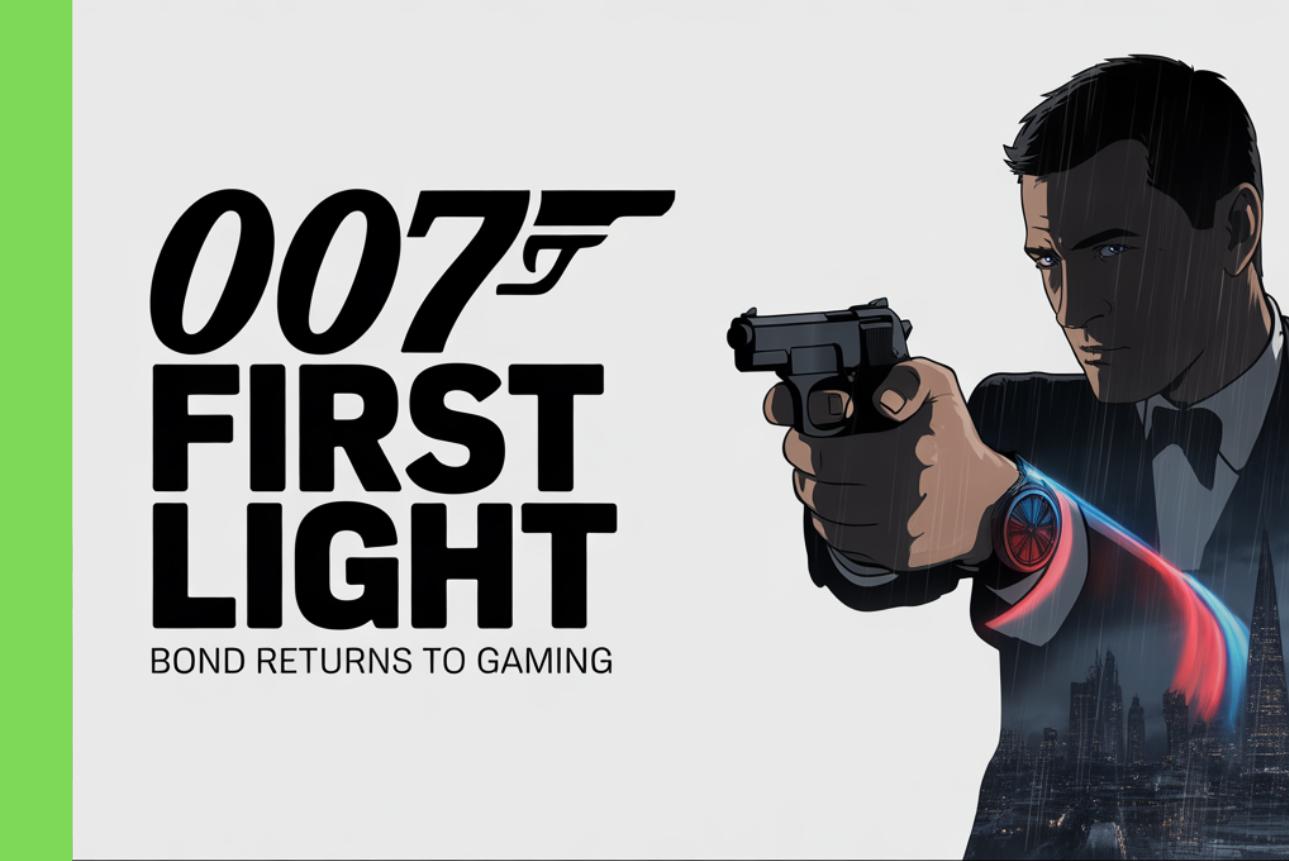
  • The Return of Bond: Why 007: First Light Is the Next Big Step for Cinematic Action Games

    The Return of Bond: Why 007: First Light Is the Next Big Step for Cinematic Action Games

    Introduction

    For years, fans of the world’s most famous spy have asked one question: when will James Bond return to gaming? The wait appears nearly over. IO Interactive, the studio behind the Hitman trilogy, has officially confirmed details about its long-teased Bond project — now titled 007: First Light.

    Unlike the movie tie-ins of the past, this new game isn’t based on any film. Instead, it’s a fresh origin story for a younger Bond — one that promises to combine stealth, tension, and cinematic flair in ways fans haven’t seen since GoldenEye 007 revolutionized the genre nearly 30 years ago.


    Reinventing Bond for a New Era

    IO Interactive isn’t just developing another action game; it’s reimagining the essence of James Bond. In 007: First Light, players will step into the shoes of an untested agent — before he earns his 00 status.

    This decision lets the studio craft a personal, character-driven narrative, unbound by film canon or actor likenesses. The tone reportedly leans closer to the grounded espionage of Casino Royale than to the gadget-heavy spectacle of later Bond films.

    For IO Interactive, known for its expertise in sandbox stealth gameplay, this creative freedom means one thing: players will have choice. Missions are expected to feature multiple infiltration routes, dynamic NPC behavior, and tools that reward patience as much as precision — hallmarks of the Hitman series.


    Gameplay and Design Philosophy

    Early leaks and developer interviews hint that 007: First Light blends third-person stealth, dynamic combat, and cinematic storytelling. Expect:

    • Expansive mission hubs inspired by international espionage locales — think London, Monaco, and Istanbul.
    • A focus on stealth and subterfuge, emphasizing disguise, intel gathering, and silent takedowns over pure gunplay.
    • Reactive world design — NPCs and enemy agents respond intelligently to player actions, mirroring the “living world” systems from Hitman: World of Assassination.
    • Narrative depth with moral decisions shaping Bond’s evolution into the agent fans know.

    It’s a formula designed to modernize the spy genre while staying true to Bond’s roots: suave, strategic, and ruthlessly effective.


    Why This Reboot Matters

    Since the early 2000s, Bond games have struggled to find their footing. After GoldenEye 007 (1997) and Everything or Nothing (2004) set high standards, subsequent releases failed to capture the franchise’s essence. The problem? Too much reliance on film tie-ins and too little creative autonomy.

    007: First Light marks a radical shift. IO Interactive is crafting Bond’s story from scratch — no movie deadlines, no Hollywood constraints. This approach could:

    • Revive the spy-thriller genre in mainstream gaming.
    • Prove that licensed IPs can thrive when given creative independence.
    • Inspire a new cinematic storytelling model where games define a character’s canon, not the other way around.

    In other words, this isn’t just Bond’s comeback — it’s a test case for how classic IPs can evolve in gaming’s narrative age.


    What It Means for IO Interactive

    For IO Interactive, 007: First Light represents both a risk and an opportunity. After years mastering the art of stealth through the Hitman franchise, the Danish studio is expanding its horizons.

    They’ve even established a new division in Malmö, Sweden, dedicated entirely to the Bond project. IO has described the game as “the most ambitious project we’ve ever made,” suggesting it may serve as a long-term franchise foundation, with sequels or episodic content planned post-launch.

    If successful, 007: First Light could cement IO Interactive’s position as a leader in narrative-driven stealth action — not just in licensed games, but across the entire AAA landscape.


    Conclusion

    Bond’s return to gaming isn’t just nostalgia — it’s a statement. 007: First Light represents a new generation of storytelling where iconic characters can evolve beyond their cinematic origins.

    If IO Interactive delivers on its promise of tension, style, and freedom, this could be the definitive spy experience of the modern era — one that reminds the world that nobody does it better than Bond.


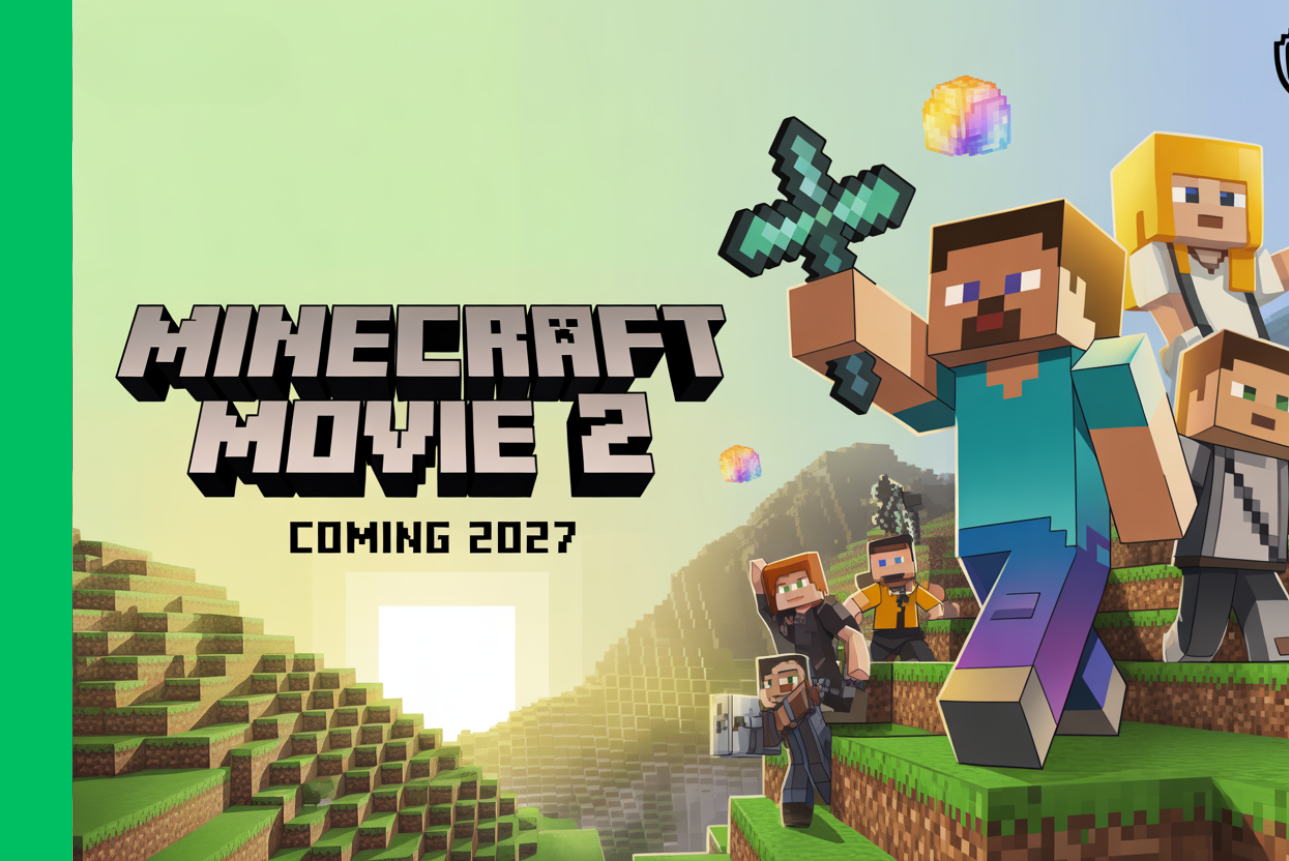
  • Minecraft Movie Sequel Announced: What It Means for the Game and Its Fans

    Minecraft Movie Sequel Announced: What It Means for the Game and Its Fans


    Introduction

    For over a decade, Minecraft has been more than a game — it’s a cultural ecosystem. From YouTube creators to classroom projects, it has evolved into a global creative platform. Now, the Minecraft Movie is set to return with a sequel slated for 2027, giving fans another chance to see their blocky world come to life on the big screen.

    But beyond the cinematic excitement, this sequel raises an intriguing question: what does a Minecraft movie mean for the game itself?


    A Sequel Years in the Making

    The first Minecraft Movie, released in 2025 by Warner Bros. and Mojang Studios, surprised many by capturing the charm of the game’s creativity and humor. Despite mixed reviews, it performed well at the box office and brought Minecraft’s whimsical tone to a broader audience — especially families unfamiliar with the sandbox experience.

    Now, the sequel is officially in production, with reports confirming a targeted 2027 release. According to AP News and People, Mojang aims to expand the Minecraft cinematic universe, possibly introducing new characters and exploring deeper storytelling rather than simple fan service.


    The Challenge of Adapting Minecraft’s Open World

    Minecraft has no traditional narrative — no fixed protagonist, no predetermined goal. That’s both its magic and its greatest adaptation challenge. Translating an open-ended, player-driven world into a structured film story demands creativity without losing authenticity.

    The first film succeeded by focusing on themes of imagination, exploration, and community, the same values that drive the game itself. The sequel will need to evolve those ideas, potentially exploring:

    • The contrast between player freedom and structured storytelling.
    • The symbolism of creation vs. destruction, core to Minecraft’s gameplay.
    • The multiplayer dynamic, a key part of Minecraft culture often missing in film portrayals.

    Handled well, this could elevate the sequel from simple entertainment to a genuine reflection on creativity in gaming.


    Cross-Promotion and Game Impact

    Whenever a major movie ties into a game, players expect crossovers — and Mojang knows how to deliver. The Minecraft team has already shown its willingness to bridge media, with in-game content drops inspired by other franchises and events.

    Expectations for a Minecraft Movie-themed update or DLC are high. Possible in-game collaborations might include:

    • Exclusive character skins or cosmetic packs from the movie.
    • A limited-time adventure map recreating scenes from the film.
    • Behind-the-scenes creative challenges for the community to build movie-inspired sets.

    This synergy would help reignite interest among lapsed players and bring new audiences — especially kids introduced to Minecraft through the movie — into the game ecosystem.


    The Bigger Picture: Expanding the Minecraft IP

    For Microsoft and Mojang, this sequel is more than a film — it’s a franchise strategy. In an era when gaming IPs like The Last of Us, Sonic the Hedgehog, and Super Mario Bros. are thriving in Hollywood, Minecraft represents a valuable creative property.

    The difference is that Minecraft isn’t about scripted heroism — it’s about player expression. By expanding into film, Mojang is showing that the world of Minecraft can host many kinds of stories, not just gameplay. That could open the door to:

    • Future spin-offs (animated series, shorts, or even documentaries about the community).
    • Educational partnerships, using the film to boost Minecraft: Education Edition.
    • Expanded merchandise lines, from LEGO sets to books tied to movie lore.

    Conclusion

    The upcoming Minecraft Movie sequel represents more than Hollywood hype — it’s a sign of how deeply gaming and storytelling now intertwine. For longtime players, it’s a chance to see their creative world on the big screen again. For new fans, it’s an invitation to build, explore, and imagine.

    Whether it becomes a cinematic hit or not, one thing is certain: Minecraft’s universe continues to grow, block by block, beyond the boundaries of the game itself.