Category: GamezCode

  • Which Countries Are Becoming Global Gaming Powerhouses?

    Which Countries Are Becoming Global Gaming Powerhouses?

    Quick Answer

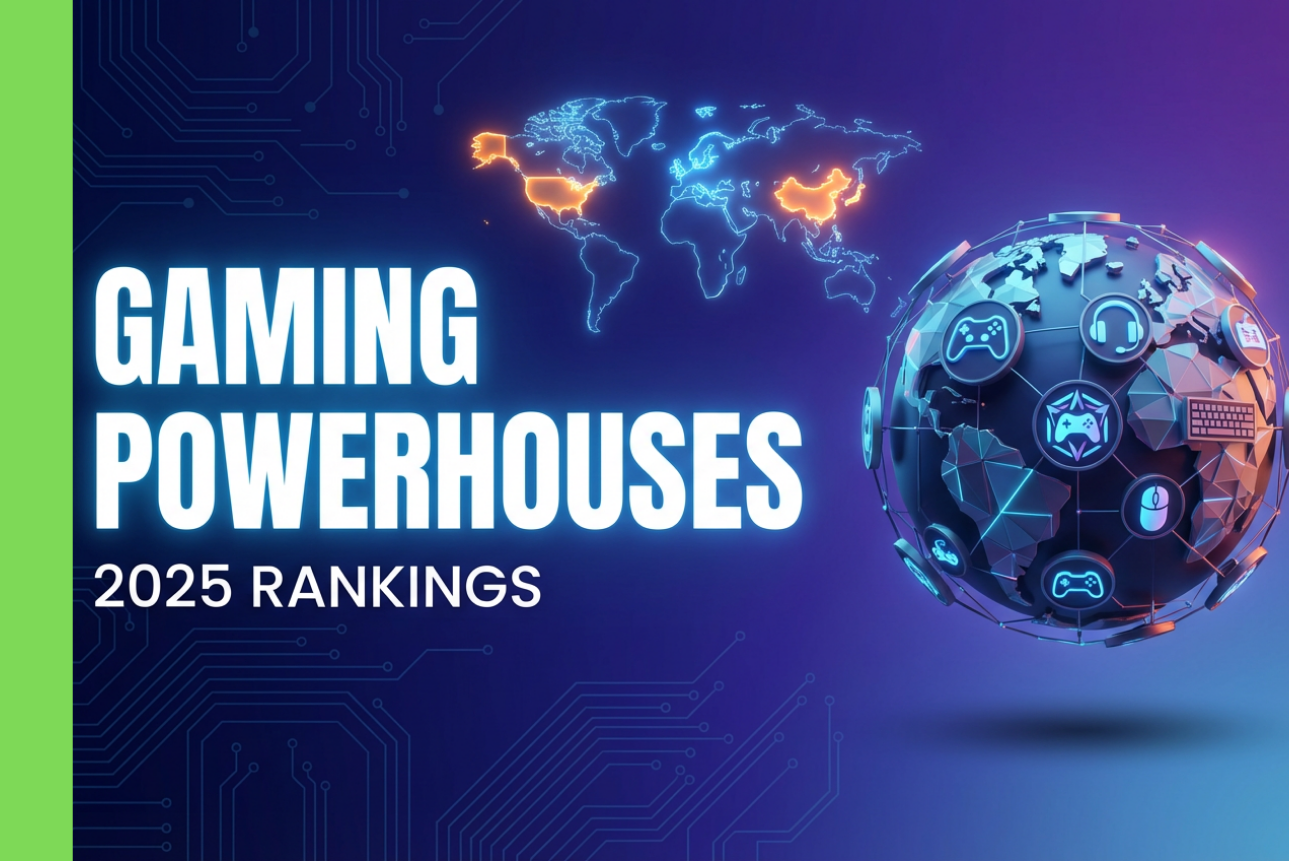
    As of 2025, the countries leading global gaming are China, the United States, and Japan, due to massive revenues and large gamer populations. Fast-growing regions like Brazil, Asia-Pacific, and parts of Latin America are emerging as the next generation of global gaming powerhouses.


    What Defines a “Gaming Powerhouse”?

    A gaming powerhouse is a country that demonstrates:

    • High annual gaming revenue
    • Large and engaged player base
    • Strong market growth rate
    • Active game development, esports, and publishing ecosystems
    • Diverse gaming platforms (mobile, PC, console)

    These factors indicate long-term influence in the global gaming industry.


    Top Global Gaming Powerhouses (2025)

    China

    China remains one of the world’s biggest gaming markets:

    • Generates around US$49.8 billion in 2025 gaming revenue (Newzoo).
    • Hosts the largest gamer population globally.
    • Strong in mobile, PC, and online games.

    United States

    The U.S. is tied with China for market leadership:

    • Estimated US$49.6 billion in 2025 revenue (Newzoo).
    • Strong console culture, major AAA studios, esports, and streaming presence.

    Japan

    Japan remains one of the most influential markets:

    • Generates ~US$16.8 billion in 2025 (Newzoo).
    • Known for legendary IPs, iconic console hardware, and a deep gaming culture.

    Other Established Markets

    Countries like South Korea, Germany, and the United Kingdom contribute billions in revenue annually, with strong gaming ecosystems across esports, PC gaming, and mobile markets.


    Emerging & Fast-Growing Markets

    Brazil (Latin America)

    • One of the fastest-growing gaming markets.
    • Latin America expected to see high CAGR growth from 2025–2030 (Grand View Research).
    • Mobile gaming drives most of the expansion due to increased smartphone accessibility.

    Asia-Pacific Region

    • APAC remains the largest gaming region by total revenue (Mordor Intelligence).
    • Rising gaming growth in countries beyond China and Japan as mobile gaming expands.

    Middle East & Africa

    • Early data suggests rapid growth driven by rising internet access and younger populations (Market Data Forecast).
    • Expected to evolve into major markets through mobile-first adoption.

    Why These Countries Are Growing So Fast

    1. Mobile Gaming Penetration

    Mobile games have lower barriers to entry, making gaming accessible to millions in developing regions.

    2. Expanding Internet Access

    Improved broadband and mobile internet make online gaming more available globally.

    3. Digital Distribution

    App stores and digital marketplaces allow instant game access — no consoles required.

    4. Youth-Driven Populations

    Countries with younger demographics naturally adopt gaming faster.

    5. Global Game Development Ecosystems

    Studios, publishers, and esports organizations are becoming increasingly global.


    What This Means for Developers & Publishers

    • Mobile-first strategies are essential in fast-growing regions.
    • Localization (language + cultural adaptation) becomes a key success factor.
    • Cross-platform releases are more powerful than ever.
    • Emerging markets will shape the next decade of global gaming expansion.

    FAQ

    Which country earns the most gaming revenue?
    China and the United States are tied at the top, each contributing around US$49–50 billion annually.

    Why is Brazil considered an emerging gaming powerhouse?
    Brazil has one of the fastest-growing gamer populations and strong mobile adoption rates.

    Is mobile gaming the main reason for global growth?
    Yes — mobile gaming drives growth in nearly every emerging region.

    Could Africa or the Middle East become major players?
    Early data shows high growth potential as internet and smartphone access continue to rise.


    Conclusion

    The global gaming landscape in 2025 is dominated by China, the United States, and Japan — but a powerful new wave is rising. Brazil, broader Latin America, Asia-Pacific countries, and emerging regions in the Middle East and Africa are becoming major players thanks to mobile adoption, digital distribution, and youthful populations. As gaming continues to globalize, these regions will shape the next decade of innovation, competition, and cultural influence.

  • Mobile vs Console vs PC Gaming in 2025: Who’s Winning?

    Mobile vs Console vs PC Gaming in 2025: Who’s Winning?

    The global gaming market in 2025 is large, mature, and increasingly competitive — but not all platforms are growing equally. Recent data from Newzoo, Sensor Tower, and Grand View Research shows clear winners in revenue, players, and momentum. Here’s a high-level, platform-by-platform breakdown of who’s actually leading the gaming landscape this year.


    Quick Answer (2025)

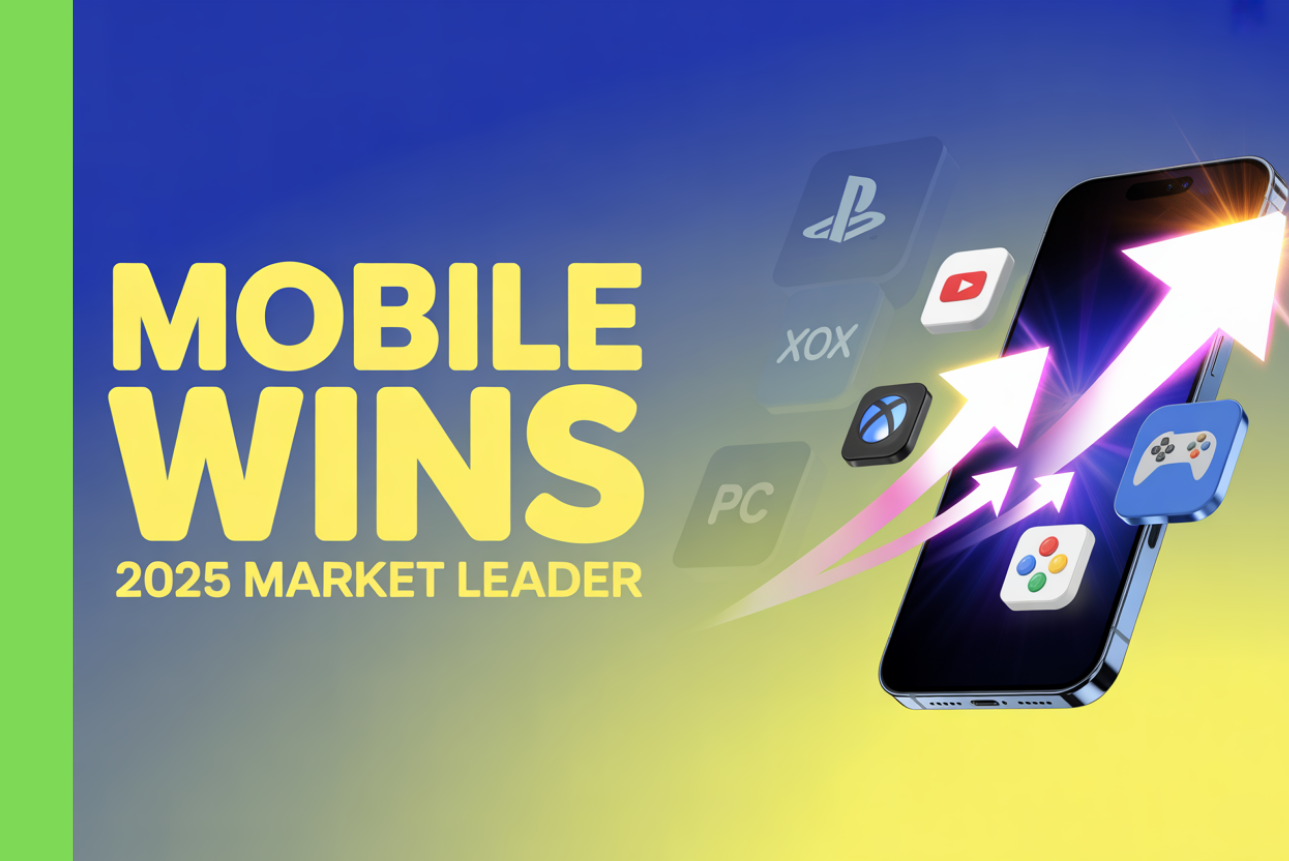
    Mobile gaming is the clear winner in 2025, generating the highest revenue and fastest user growth. Console gaming is stable with moderate growth, driven by digital storefronts and subscriptions. PC gaming remains essential but slower-growing, supported by dedicated communities and strong live-service titles. Each platform wins in different metrics, but mobile dominates the overall market.


    What Is the Market Size of Each Platform in 2025?

    According to Newzoo and multiple industry reports:

    • Mobile Gaming (Winner)
      • ≈ US$100–103 billion in 2025
      • Nearly 50% of the entire global market
      • Adds 4–5% new users annually, per Sensor Tower
    • Console Gaming
      • ≈ US$46–52 billion
      • Steady growth (~5% YoY in many forecasts)
      • Strong digital spending (subscriptions, DLC, in-game purchases)
    • PC Gaming
      • ≈ US$40–44 billion
      • Slower ~2–3% growth
      • Surpasses 1 billion global players for the first time (Newzoo)

    Summary: Mobile is the biggest revenue and user-base leader. Console shows stable, moderate growth. PC is steady but slower-growing.


    Which Platform Has the Most Players in 2025?

    Player-base data (Newzoo 2025 outlook):

    • Mobile: ~3.6 billion players
      Accessible, low friction, global penetration.
    • PC: ~1+ billion players
      Major milestone, driven by global adoption and live-service games.
    • Console: ~688 million players
      Smaller but high-spending audience.

    Summary: Mobile dwarfs all other platforms in total players, but console players spend the most per capita.


    How Does Monetisation Differ Across Mobile, Console, and PC?

    Mobile: Maximized Monetisation

    • In-app purchases (IAP)
    • Hybrid monetisation (ads + IAP)
    • Gacha systems, battle passes, seasonal events
      Mobile succeeds through scale and microtransactions, with companies like Tencent, Scopely, and Supercell leading.

    Console: Premium + Subscription Power

    • $60–$70 game releases
    • Live-service add-ons
    • Strong subscription revenue (Xbox Game Pass, PlayStation Plus)
    • High digital attach rates
      According to The Verge, digital spending now surpasses physical by a huge margin.

    PC: Diverse Monetisation Ecosystem

    • Steam storefront dominance
    • MMOs and live-service games
    • Mod economies and free-to-play ecosystems (e.g., Riot Games, Valve)
    • High ARPU (average revenue per user) in niche genres like strategy and simulation

    Summary: Mobile wins on volume, console wins on premium value, PC wins on diversification.


    Which Platform Is Growing the Fastest?

    🚀 Fastest Growth: Mobile

    Sensor Tower’s 2024–2025 data shows:

    • +4% IAP revenue growth
    • +12% sessions growth
    • Continues to dominate emerging regions (India, South Asia, LATAM)

    📈 Moderate Growth: Console

    • 5%+ expected revenue growth in 2025 (Heyup Labs)
    • Active install base from PS5, Xbox Series consoles, and Nintendo Switch ecosystem

    🐢 Slowest Growth: PC

    • 2–3% growth rates
    • Still highly profitable for core genres

    Summary: Mobile grows the fastest, console holds stable momentum, PC grows slowly but stays essential.


    What Structural Challenges Does Each Platform Face?

    Mobile Challenges

    • Saturation in top markets
    • Rising user acquisition costs
    • Apple/Google platform-fee debates
    • Monetisation fatigue in Western markets

    Console Challenges

    • Hardware limitations and long upgrade cycles
    • High AAA production budgets
    • Subscription profitability concerns
    • Intensifying competition from mobile/cloud

    PC Challenges

    • Fragmentation across storefronts (Steam, Epic, Tencent, etc.)
    • Hardware costs rising globally
    • Struggle to attract casual players

    Summary: Each platform faces maturity headwinds — but consoles and PC feel the pressure more than mobile.


    What Trends Are Shaping the Platforms in 2025?

    Cross-platform games dominate

    Games like Fortnite, Genshin Impact, and Call of Duty are collapsing old silos.

    Subscriptions reshape spending

    Game Pass, PS Plus, Apple Arcade are redefining where players spend.

    Live-service models continue to win

    Retention is the new growth metric (per MIDiA Research).

    Cloud gaming becomes supplemental, not central

    Used more for onboarding and trials than core play.


    So… Who’s Actually Winning in 2025?

    It depends on the metric:

    MetricWinner (2025)Why
    RevenueMobileNearly 50% of global spending
    Growth RateMobileFastest user and revenue expansion
    Spending per userConsolePremium pricing + subscriptions
    Player baseMobileBillions more users vs console/PC
    Engagement depthPCMMOs, strategy, modding, esports
    Strategic importanceAll threeEach dominates different consumer segments

    Overall Winner: Mobile, but console and PC remain essential pillars depending on audience and genre.


    Conclusion

    As of 2025, mobile is the dominant force in gaming, leading in revenue, growth, and total players. Console gaming remains resilient, buoyed by subscriptions, digital spending, and strong first-party ecosystems. PC gaming continues to thrive in its core communities, especially for competitive and live-service titles, even though its growth is slower.

    The industry is now platform-agnostic — with cross-platform play, cloud onboarding, and live-service economies making “Where you play” less important than ever. But in pure market terms, mobile holds the crown, console retains premium influence, and PC anchors deep engagement.


    FAQ

    1. Which gaming platform makes the most money in 2025?

    Mobile gaming, with roughly half of global industry revenue.

    2. Are consoles dying?

    No — consoles are stable and still growing modestly, especially thanks to digital stores and subscription services.

    3. Is PC gaming shrinking?

    Not shrinking, but growing slowly. It remains a high-value platform for core players.

    4. Which regions drive mobile gaming growth?

    India, Southeast Asia, Latin America, and the Middle East.

    5. Are mobile games overtaking console-quality experiences?

    Increasingly yes—games like Genshin Impact and Call of Duty Mobile show AAA-like fidelity on mobile hardware.

    6. What genres dominate each platform?

    • Mobile: casual, gacha, RPG, strategy
    • Console: action-adventure, shooters, sports
    • PC: MMOs, strategy, simulation, esports titles

  • Efficiency vs Creativity: The Dual Role of AI in Game Production (2025)

    Efficiency vs Creativity: The Dual Role of AI in Game Production (2025)

    Game development in 2025 is being reshaped by artificial intelligence more rapidly than any previous technological shift in the industry. Studios are adopting AI for asset generation, coding support, QA testing, localization, and NPC behavior—yet the same tools raising efficiency are also raising new questions about creativity, originality, and job impact.


    Quick Answer

    AI in game development is dramatically speeding up production by automating repetitive tasks—according to Google Cloud research, about 90% of game developers already use AI in their workflows. At the same time, increased automation raises concerns about creative authenticity, quality control, and ownership of AI-generated content. In 2025, AI is both a productivity booster and a creative disruptor.


    What roles is AI playing in game development workflows in 2025?

    AI has become integrated into nearly every major step of the development pipeline:

    • Asset creation: Concept art, textures, environmental objects, and animations can now be generated or iterated faster than ever.
    • Coding support: Developers use AI code assistants to eliminate boilerplate tasks and catch errors earlier.
    • QA and testing: AI agents simulate thousands of gameplay scenarios to detect bugs faster than human testers.
    • Localization: Automated text translation and dialogue adaptation significantly accelerate multi-language releases.
    • NPC/Gameplay systems: AI enables more adaptive enemy behavior and dynamic narratives.

    Forbes reports that studios are leaning on AI to produce more complex and realistic worlds without lengthening production cycles, while Business Insider highlights how Ubisoft and other major studios use AI tools to speed up character interactions and cut repetitive workflows.

    Mini-summary: AI is no longer a specialty tool—it’s embedded in every core step of production.


    How widespread is AI adoption in game development?

    A 2025 Google Cloud and Harris Poll survey found:

    • 90% of developers already use AI agents in some part of their workflow.
    • 97% believe generative AI will fundamentally reshape game development.

    This is one of the highest adoption rates of any creative industry.

    Reuters notes that although adoption is high, many developers still express concerns around data protection, private IP reuse, and the transparency of large AI models.

    Mini-summary: AI adoption is nearly universal, but so are concerns about how ethically and safely it’s being used.


    Where does AI improve efficiency the most?

    1. Faster asset creation

    Instead of taking weeks for concept art iterations, artists can generate dozens of options in minutes—then refine the best ones manually.

    2. Increased development speed

    AI coding assistants help reduce time spent on scripting routine systems, freeing devs to focus on core gameplay features.

    3. More thorough QA

    Testing AI allows studios to simulate thousands of playthroughs to catch obscure bugs that often go unnoticed until late in production.

    4. Streamlined localization

    AI accelerates translation, voice-over adjustments, and cultural adaptation—cutting time-to-global-launch significantly.

    Mini-summary: In 2025, AI is primarily a speed machine—its biggest value is in time saved, not creativity added.


    Where does AI threaten creativity or authenticity?

    Creative sameness

    When many studios rely on similar AI models, art styles and game mechanics risk becoming homogenized.

    Over-reliance on AI

    If teams automate too much, human creativity may be overshadowed by generic AI-suggested solutions.

    Storytelling concerns

    Some writers argue AI-generated dialogue lacks emotional nuance or long-term narrative cohesion.

    Quality variations

    While AI boosts quantity, not all AI-generated assets are production-ready. Human oversight remains essential.

    Mini-summary: AI can accelerate production—but without strong creative direction, it may dilute originality.


    What risks does AI introduce for developers and studios?

    1. IP and data ownership

    Reuters reports developers are increasingly concerned about training data and whether AI-generated assets introduce copyright risk.

    2. Job displacement fears

    While AI doesn’t remove the need for artists or programmers, it does change what their daily work looks like—leading to career uncertainty.

    3. Pipeline consistency

    AI tools vary widely in reliability. Some outputs require manual cleanup, which can introduce new bottlenecks.

    4. Ethical questions

    Studios must navigate how much AI to use without undermining human labor or misleading players.

    Mini-summary: AI is powerful, but the legal and ethical landscape is still catching up.


    What does AI mean for the games players will experience?

    Players in 2025 can expect:

    • More dynamic NPCs with behaviors that adapt to play style.
    • Bigger and richer worlds built faster than before.
    • More frequent content updates due to faster production cycles.
    • Varied narrative experiences through AI-assisted storytelling systems.

    However, there’s also the risk of encountering:

    • Recycled or familiar-feeling assets across multiple games.
    • Dialogue or quests that feel algorithmic instead of deeply human.
    • Balance issues if AI-generated systems aren’t thoroughly playtested.

    Mini-summary: Games may become larger and more reactive—but only thoughtful implementation will make them truly better.


    How should studios balance efficiency with creativity?

    • Use AI as a support tool, not a replacement.
    • Maintain strong creative leadership to ensure unique identity and vision.
    • Adopt transparent AI policies to set internal standards for usage.
    • Invest in training teams so humans and AI collaborate effectively.
    • Prioritize originality over speed when artistic decisions matter.

    Mini-summary: The best studios in 2025 aren’t choosing between AI and creativity—they’re blending both strategically.


    FAQ

    Is AI taking over game development jobs?

    Not replacing them, but reshaping them. Roles like QA, concept art, and localization are changing most quickly.

    Can AI make entire games by itself?

    Not at a commercial level. Human oversight is still required for design, quality control, and narrative cohesion.

    Do AI-generated assets cause copyright issues?

    Potentially. Developers remain cautious due to unclear legal precedents in 2025.

    Are AI-driven NPCs better than traditional ones?

    They can be more adaptive and realistic, but they also require careful tuning to avoid unpredictable behavior.

    Will AI make games cheaper?

    It may reduce development costs, but large studios often reinvest savings into bigger worlds or new features rather than lowering budgets.

    Is creativity threatened by AI in the long run?

    Only if studios rely too heavily on automated solutions. AI is most powerful when paired with strong human vision.


    Conclusion

    As of 2025, AI is accelerating nearly every part of the game-development pipeline, helping studios build worlds faster, test smarter, and iterate more efficiently. But this same increase in speed introduces new concerns about creative originality, legal uncertainties, and job stability. The future of gaming depends on how well studios can balance rapid production with human-led artistry. When implemented responsibly—guided by strong creative vision—AI becomes a force multiplier rather than a replacement. The result could be an era of games that are richer, more dynamic, and more ambitious than ever before.


    Author GamezCode

    Author: GamezCode
    Expert in gaming industry analysis and emerging technology trends. Known for breaking down complex tech shifts—such as AI adoption, development workflows, and market evolution—into clear insights for players, developers, and publishers. Writes regularly about how innovation shapes the future of interactive entertainment.

  • The New Console War Isn’t About Hardware — It’s About Ecosystems

    The New Console War Isn’t About Hardware — It’s About Ecosystems

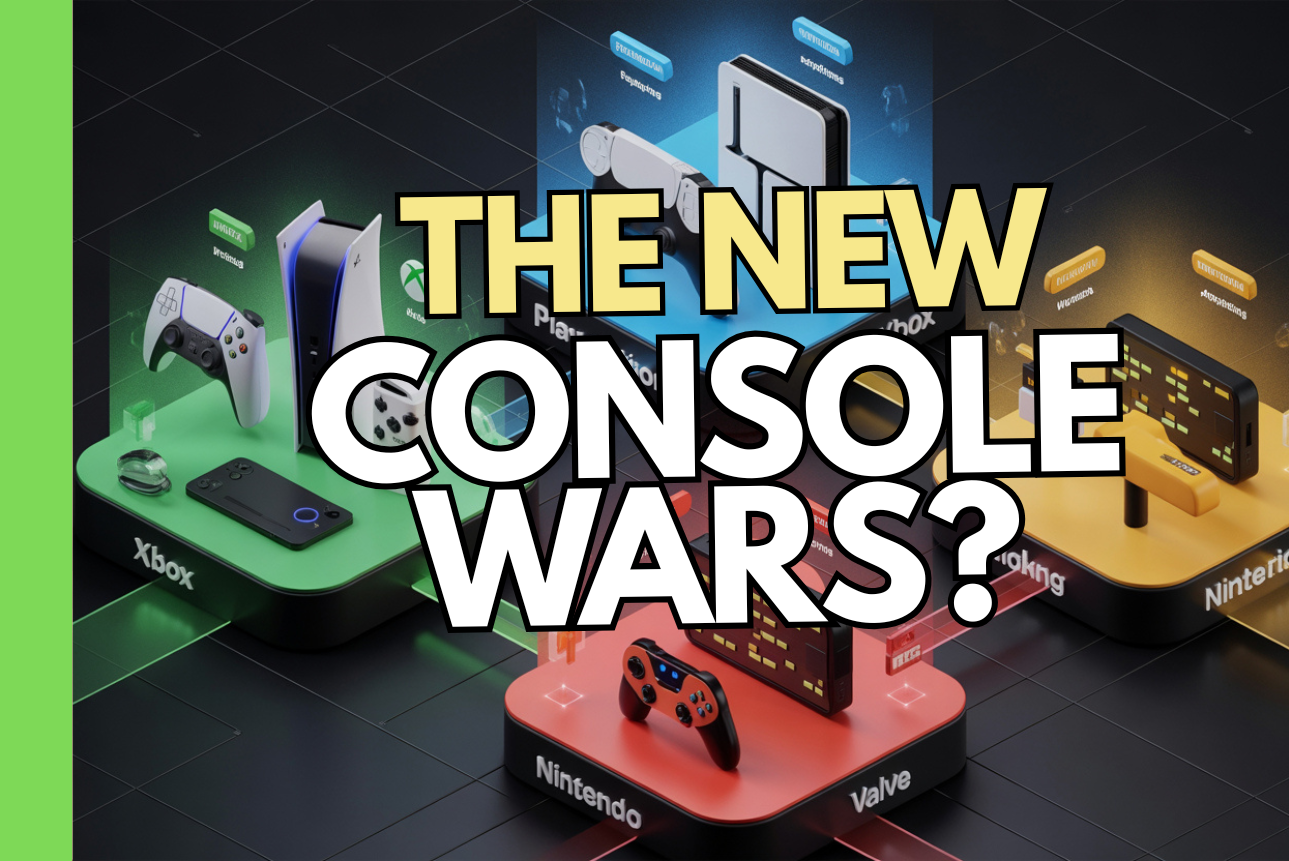
    For decades, the console war was defined by teraflops, exclusive titles, and hardware specs. But as we move deeper into the 2020s, the real battlefront has shifted. PlayStation, Xbox, Nintendo — and now Valve — are no longer fighting over who builds the most powerful machine. They’re fighting over something more valuable: ecosystems.
    In today’s gaming economy, the platform that wins is the one that keeps users locked in, engaged, and continuously spending — no matter which device they’re on.


    Hardware Is No Longer the Primary Differentiator

    For most players, the performance gap between modern consoles has narrowed. Whether you’re on a PS5, Xbox Series X/S, or future hardware from Valve or Nintendo, the experience is more comparable than ever. With diminishing visible differences, the strategic advantage has shifted away from specs and toward services, content pipelines, subscriptions, and long-term engagement loops.

    This is why the “console war” is increasingly platform-agnostic. The real metrics aren’t GPU power or SSD speed. They’re:

    • Monthly active users
    • Subscription conversion
    • First-party content cadence
    • Cross-platform reach
    • Network retention
    • Average revenue per user (ARPU)

    The winners are those who build ecosystems that outlive their devices.


    PlayStation: The Prestige Content Ecosystem

    Sony still leans heavily on premium single-player exclusives — a strategy that maintains brand strength and showcases technological excellence. But even Sony is adapting, expanding its ecosystem through:

    • PlayStation Plus tiers with classic libraries
    • PC ports to widen the funnel
    • A growing emphasis on live-service projects
    • Cross-media expansion via films and TV

    Sony’s ecosystem is broadening from “premium hardware = premium experience” to a multi-platform entertainment pipeline anchored by strong IP.


    Xbox: The Subscription-First Strategy

    Microsoft has embraced an ecosystem that stretches across console, PC, cloud, and even competing platforms. The centerpiece is Game Pass, designed not as a console booster but as a platform-agnostic subscription business.
    Xbox’s strategy hinges on:

    • Cloud-native access
    • Cross-platform play
    • Integration with Windows
    • Acquisitions feeding content into Game Pass
    • A device-light approach: “play anywhere you want”

    Microsoft is less concerned with selling consoles and more focused on growing recurring revenue. In this model, the “console” is just one device among many.


    Nintendo: The Experience Ecosystem

    Nintendo’s strength is not raw performance — it’s cultural ubiquity. Its ecosystem extends across:

    • Hardware uniquely tied to gameplay identity
    • Evergreen IP (Mario, Zelda, Pokémon)
    • Merchandising
    • Theme parks
    • Mobile games
    • Cross-media presence
      Nintendo prioritizes timeless engagement over bleeding-edge tech, creating a cohesive identity that keeps players loyal across generations.

    Valve: The Steam Ecosystem Expands Into Living Rooms

    Valve’s push into console-style hardware (Steam Deck, upcoming home console devices) marks a new phase in the ecosystem war. Rather than building traditional hardware, Valve is extending the gravitational pull of Steam, the dominant PC platform.
    This expansion positions Valve as an ecosystem provider that spans:

    • Handhelds
    • PCs
    • Living-room TV devices
    • VR headsets
      Valve isn’t trying to win a console war — it’s trying to absorb it into its existing digital ecosystem.

    Ecosystems Drive Profit — Not Hardware

    Hardware cycles are expensive, risky, and increasingly commoditized. Ecosystems, by contrast, generate:

    • Recurring monthly revenue
    • High-margin digital sales
    • Player stickiness
    • Cross-device engagement
    • Long-term customer relationships

    In business terms, ecosystems:

    • Reduce churn
    • Increase lifetime value (LTV)
    • Decrease reliance on hit-driven sales
    • Provide predictable earnings for investors

    This is why the “console war” is no longer about who sells the most boxes — it’s about who keeps the most users inside their revenue loop.


    The Future Is Multi-Device, Multi-Service, and Multi-Platform

    The next phase of the industry will revolve around service stacking, modular hardware, and multi-platform publishing. Expect:

    • More PC/console hybrid releases
    • Cross-platform ecosystems replacing platform exclusivity
    • Streaming and cloud gaming expanding into mobile
    • Subscription bundles (games + media)
    • Hardware that supports services, not defines them

    The companies that thrive will be those that build sticky ecosystems, not those that launch the most powerful machines.


    Conclusion

    The traditional console war is over. The new battle is for ecosystem dominance, where hardware is just one piece of a much larger strategic puzzle. Whether through prestige exclusives, subscription services, hybrid hardware, or cross-media IP expansion, each major player is building a long-term revenue engine that extends far beyond the physical console itself.

    Question for readers: Which ecosystem do you think is best positioned to dominate the next decade — and why?

  • From Microtransactions to Major Backlash: Are Players Finally Fighting Back?

    From Microtransactions to Major Backlash: Are Players Finally Fighting Back?

    The gaming industry has long relied on microtransactions — those small, optional purchases for in-game items, skins, or boosts — to generate massive profits. What started as a convenience-based model has, for many, turned into a frustration point. But in 2025, signs suggest that players are finally drawing a line.


    The Rise of Microtransactions

    When microtransactions first appeared in mainstream gaming in the late 2000s, they were seen as harmless additions: a way to support free-to-play titles or extend a game’s life. Over time, however, they became central to the business model. Major publishers like Electronic Arts, Ubisoft, and Activision Blizzard began incorporating monetization into nearly every genre — from shooters to sports simulations.

    By the 2010s, the phrase “pay-to-win” entered the gamer’s vocabulary, describing systems where those who spent more money gained unfair advantages. Loot boxes, randomized cosmetic rewards, and premium currencies blurred the line between entertainment and gambling.


    The Player Pushback

    In recent years, a cultural shift has emerged. Gamers are becoming more vocal, coordinated, and unwilling to accept aggressive monetization. Social media campaigns, review bombing, and organized boycotts have pressured companies to rethink their approach. The EA “Battlefront II” controversy in 2017 — which led to the temporary removal of loot boxes — is often cited as the moment the backlash began.

    Fast forward to today: Overwatch 2, NBA 2K, and FIFA Ultimate Team continue to face community criticism for their heavy reliance on monetized progression. Meanwhile, indie and mid-sized developers are leaning into the backlash, promoting their games as microtransaction-free experiences, winning players’ trust in the process.


    The Industry’s Response

    Publishers are beginning to take notice. Some studios are experimenting with more transparent systems, such as battle passes or direct-purchase cosmetics, which give players clearer control over what they’re buying. Others are integrating monetization in ways that don’t affect gameplay balance — cosmetic-only items, season passes, or optional DLC expansions.

    At the same time, legislators and regulators in regions like the EU and the U.S. are increasingly scrutinizing loot box mechanics as potential forms of gambling. This external pressure is accelerating the industry’s move toward fairer models.


    A Shift Toward Value and Transparency

    The growing backlash has also reignited discussions about value. Gamers are showing a willingness to pay more upfront for complete experiences — as long as they feel respected. Titles like Baldur’s Gate 3, Elden Ring, and Hades II have proven that quality-driven design can outperform monetization-heavy models, both critically and commercially.

    Developers who prioritize player trust are finding long-term success, while those who prioritize short-term profit risk alienating their audience. This cultural realignment may define the next decade of gaming economics.


    Conclusion

    Microtransactions are unlikely to disappear completely — they’re too profitable for studios to abandon entirely. But the power dynamic is shifting. As players demand transparency, fairness, and respect for their time and money, publishers are being forced to adapt.

    The question isn’t whether microtransactions will survive — it’s whether gamers will continue to let them thrive.

  • The Return of Bond: Why 007: First Light Is the Next Big Step for Cinematic Action Games

    The Return of Bond: Why 007: First Light Is the Next Big Step for Cinematic Action Games

    Introduction

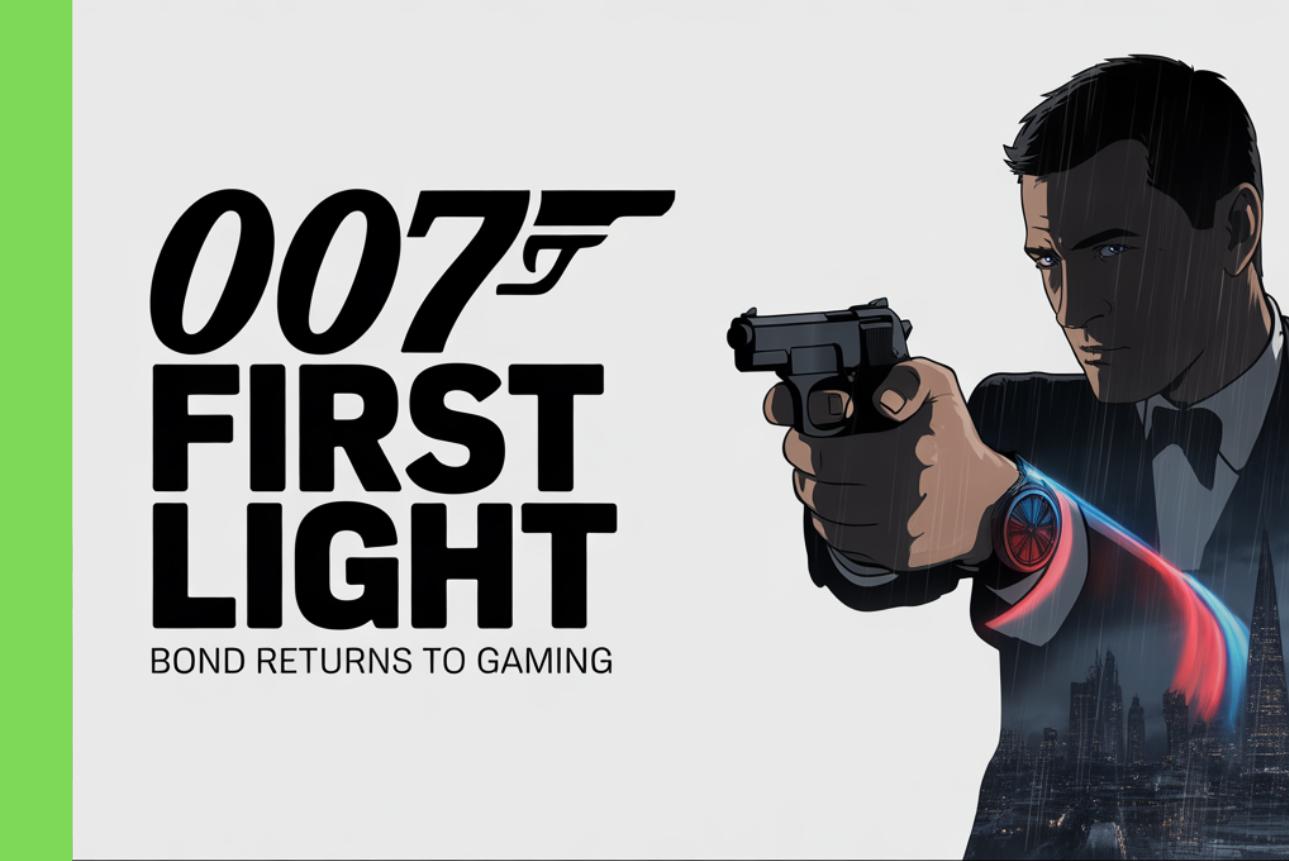
    For years, fans of the world’s most famous spy have asked one question: when will James Bond return to gaming? The wait appears nearly over. IO Interactive, the studio behind the Hitman trilogy, has officially confirmed details about its long-teased Bond project — now titled 007: First Light.

    Unlike the movie tie-ins of the past, this new game isn’t based on any film. Instead, it’s a fresh origin story for a younger Bond — one that promises to combine stealth, tension, and cinematic flair in ways fans haven’t seen since GoldenEye 007 revolutionized the genre nearly 30 years ago.


    Reinventing Bond for a New Era

    IO Interactive isn’t just developing another action game; it’s reimagining the essence of James Bond. In 007: First Light, players will step into the shoes of an untested agent — before he earns his 00 status.

    This decision lets the studio craft a personal, character-driven narrative, unbound by film canon or actor likenesses. The tone reportedly leans closer to the grounded espionage of Casino Royale than to the gadget-heavy spectacle of later Bond films.

    For IO Interactive, known for its expertise in sandbox stealth gameplay, this creative freedom means one thing: players will have choice. Missions are expected to feature multiple infiltration routes, dynamic NPC behavior, and tools that reward patience as much as precision — hallmarks of the Hitman series.


    Gameplay and Design Philosophy

    Early leaks and developer interviews hint that 007: First Light blends third-person stealth, dynamic combat, and cinematic storytelling. Expect:

    • Expansive mission hubs inspired by international espionage locales — think London, Monaco, and Istanbul.
    • A focus on stealth and subterfuge, emphasizing disguise, intel gathering, and silent takedowns over pure gunplay.
    • Reactive world design — NPCs and enemy agents respond intelligently to player actions, mirroring the “living world” systems from Hitman: World of Assassination.
    • Narrative depth with moral decisions shaping Bond’s evolution into the agent fans know.

    It’s a formula designed to modernize the spy genre while staying true to Bond’s roots: suave, strategic, and ruthlessly effective.


    Why This Reboot Matters

    Since the early 2000s, Bond games have struggled to find their footing. After GoldenEye 007 (1997) and Everything or Nothing (2004) set high standards, subsequent releases failed to capture the franchise’s essence. The problem? Too much reliance on film tie-ins and too little creative autonomy.

    007: First Light marks a radical shift. IO Interactive is crafting Bond’s story from scratch — no movie deadlines, no Hollywood constraints. This approach could:

    • Revive the spy-thriller genre in mainstream gaming.
    • Prove that licensed IPs can thrive when given creative independence.
    • Inspire a new cinematic storytelling model where games define a character’s canon, not the other way around.

    In other words, this isn’t just Bond’s comeback — it’s a test case for how classic IPs can evolve in gaming’s narrative age.


    What It Means for IO Interactive

    For IO Interactive, 007: First Light represents both a risk and an opportunity. After years mastering the art of stealth through the Hitman franchise, the Danish studio is expanding its horizons.

    They’ve even established a new division in Malmö, Sweden, dedicated entirely to the Bond project. IO has described the game as “the most ambitious project we’ve ever made,” suggesting it may serve as a long-term franchise foundation, with sequels or episodic content planned post-launch.

    If successful, 007: First Light could cement IO Interactive’s position as a leader in narrative-driven stealth action — not just in licensed games, but across the entire AAA landscape.


    Conclusion

    Bond’s return to gaming isn’t just nostalgia — it’s a statement. 007: First Light represents a new generation of storytelling where iconic characters can evolve beyond their cinematic origins.

    If IO Interactive delivers on its promise of tension, style, and freedom, this could be the definitive spy experience of the modern era — one that reminds the world that nobody does it better than Bond.


  • Phasmophobia’s Long Road to 1.0 — and What It Means for Co-op Horror Games

    Phasmophobia’s Long Road to 1.0 — and What It Means for Co-op Horror Games

    After five years in early access, this ghost-hunting hit is finally ready for its “finished” release — and that says a lot about the future of indie horror.


    Introduction

    Few indie games have captured the imagination of players quite like Phasmophobia. Released in early access back in 2020, the paranormal investigation co-op title became an overnight phenomenon — a mix of horror, teamwork, and chaos that turned friends into amateur ghost hunters.

    Now, after five years of updates, bug fixes, and community feedback, developer Kinetic Games is preparing to launch version 1.0 — marking a major milestone not just for the studio, but for early-access development as a whole.


    The Long Haunt: How Phasmophobia Got Here

    Since its early-access debut, Phasmophobia has transformed from a small experimental horror game into a robust, evolving experience. Over time, Kinetic Games has:

    • Added new maps and environments, from suburban houses to sprawling prisons and campgrounds.
    • Expanded ghost types and behaviors, making each haunting feel unique and unpredictable.
    • Reworked evidence systems and introduced new tools, improving how players investigate.
    • Enhanced animations and visuals, making encounters more immersive — and terrifying.

    The upcoming 1.0 update, expected before the end of 2025, will introduce:

    • Improved character models and animations for smoother, more lifelike movement.
    • Offline single-player support, letting players explore haunted locations without needing teammates.
    • Quality-of-life upgrades and rebalanced difficulty for both new and veteran ghost hunters.

    Kinetic Games has also made it clear that 1.0 isn’t the end — it’s just another step. As the developer told PC Gamer:

    “If players are still there, we’ll still be there.”


    Why It Matters

    For Players

    The shift to 1.0 brings stability and polish that early-access titles often lack. Players can expect:

    • A more complete, reliable experience, perfect for both solo play and groups.
    • Ongoing updates that build on the existing framework rather than rebooting it.
    • A stronger foundation for new events, like seasonal updates or limited-time hunts.

    It also reaffirms trust between developer and community — proof that patience can pay off when developers stay transparent and committed.

    For the Industry

    Phasmophobia’s evolution shows that early access isn’t just a testing phase — it can be a sustainable path to long-term success. With over 20 million copies sold and a passionate fanbase, Kinetic Games has demonstrated how smaller studios can thrive through community engagement and consistent iteration.

    This approach could inspire more indie developers to:

    • Use early access as a growth model, not a crutch.
    • Support games with steady updates rather than one-off releases.
    • Build communities that evolve alongside their projects.

    What’s Next for Phasmophobia

    With the 1.0 release on the horizon, fans can expect more than a final patch. Kinetic Games has hinted at future content drops, improved AI, and even deeper customization for investigators and ghosts alike.

    In an era where co-op horror games often burn out fast, Phasmophobia’s continued success is rare. Its developers have shown that maintaining a game — nurturing it slowly rather than chasing quick sales — can lead to something enduring.

    And with Halloween approaching, there’s never been a better time to jump back into a haunted house with friends (or alone, if you’re brave enough).


    Conclusion

    After five years of scares, screams, and spirit boxes, Phasmophobia is finally reaching its 1.0 milestone — but it’s clear that this is just the start of a new chapter.

    The game’s journey from viral indie hit to polished, community-driven platform proves that slow, steady development can create lasting impact. For players, it’s an exciting return to form; for the industry, it’s a model worth studying.

    Because sometimes, the best horror stories aren’t just about ghosts — they’re about how a small game refuses to die.

  • Pokémon on Switch 2025–26: Z-A, Champions & Pokopia Mark a New Era

    Pokémon on Switch 2025–26: Z-A, Champions & Pokopia Mark a New Era

    Introduction

    The Pokémon franchise is entering one of its most ambitious phases yet. With Pokémon Legends: Z-A launching this October, and Pokémon Champions and Pokémon Pokopia set to follow, Nintendo and The Pokémon Company are reshaping how fans experience the world of pocket monsters. From real-time battles to sandbox building, this next generation of titles represents a bold expansion of the Pokémon universe — both technically and creatively.


    Pokémon Legends: Z-A — The Flagship Evolution

    Releasing October 16, 2025, Pokémon Legends: Z-A arrives simultaneously on the Nintendo Switch and Switch 2, marking one of the first truly cross-generation Pokémon games. Set in Lumiose City, the title blends urban exploration with open-world adventure, inviting players to rediscover Kalos through a futuristic lens.

    Key Highlights

    • Preload & Performance: eShop preloads are live — ~4 GB on Switch and 7.7 GB on Switch 2 — with an early Version 1.0.1 update ensuring smoother launch performance.
    • Mega Dimension DLC: Confirmed for release alongside the main game, this expansion adds post-game content, apparel items (Holo-X and Holo-Y), and dual Mega Evolutions for Raichu — the third Pokémon to receive two distinct Mega forms, after Charizard and Mewtwo.
    • Real-Time Multiplayer Battles: The new Z-A Battle Club introduces four-player matches where trainers compete to score the most knockouts within a time limit. Players can join public or private matches via friend codes.
    • Classic Meets Modern: Z-A reintroduces Mega Evolution and Fossil Pokémon while confirming that regional forms from Legends: Arceus will not return. Confirmed Mega forms include Mega Chesnaught, Delphox, and Greninja.

    With its hybrid of nostalgia and innovation, Z-A is shaping up as both a love letter to longtime fans and a technical showcase for the next generation of Nintendo hardware.


    Pokémon Champions — Competitive Evolution

    Looking ahead to 2026, Pokémon Champions will take the series’ competitive ambitions to the next level. Developed by The Pokémon Works in collaboration with ILCA, the game blends turn-based strategy with multiplayer depth.

    What We Know So Far

    • Platforms: Switch and mobile, with cross-platform play.
    • Connectivity: Seamless integration with Pokémon HOME, allowing players to use existing collections.
    • Mechanics: Features Mega Evolution, Z-Moves, Dynamax, and Terastallization — bringing all signature battle systems into one title.
    • Esports Role: From 2026 onward, Champions will serve as the official Pokémon World Championships game, replacing Scarlet & Violet as the tournament standard.

    Pokémon Champions represents a strategic step toward unifying casual and competitive play under a single, continually updated platform.


    Pokémon Pokopia — The Sandbox Frontier

    Pokémon Pokopia, arriving Spring 2026, is the series’ most experimental title to date. Exclusive to the Nintendo Switch 2, it introduces a cozy, open-ended sandbox experience inspired by the likes of Animal Crossing and Minecraft.

    What Makes It Different

    • Premise: You play as a Ditto disguised as a human, able to learn moves from Pokémon and use them to reshape the environment.
    • Gameplay Loop: Gather materials, construct buildings, and attract Pokémon who teach you new moves — turning exploration into creativity.
    • Dynamic World: A day-night cycle, weather effects, and seasonal changes make Pokopia a living ecosystem.

    By combining Pokémon’s charm with life-sim mechanics, Pokopia expands the franchise into a whole new genre and leverages the Switch 2’s improved hardware for richer worlds and smoother simulation.


    Why This Matters

    Together, Z-A, Champions, and Pokopia signal a turning point for Pokémon:

    • Diversification: The brand is no longer bound to traditional RPGs — it’s branching into strategy, real-time combat, and simulation.
    • Platform Transition: Dual releases and Switch 2 exclusives suggest Nintendo’s gradual but confident hardware migration.
    • Community Continuity: Multiplayer features, cross-platform play, and post-launch DLC promise longer game lifespans.
    • Balance of Old and New: Mega Evolution and classic mechanics return, but in more flexible, modernized forms.

    As Pokémon steps into its next phase, it’s not just evolving — it’s expanding into a multi-genre ecosystem where fans can choose their own way to play.


    Conclusion

    The next year marks a pivotal moment for Pokémon and Nintendo alike. Pokémon Legends: Z-A pushes storytelling and real-time gameplay forward; Pokémon Champions solidifies competitive Pokémon’s global presence; and Pokémon Pokopia opens the door to creativity and comfort in equal measure.

    If this is what the series looks like entering 2026, the future of Pokémon may be less about “catching them all” — and more about experiencing them in every way possible.


  • Xbox Game Pass Restructures With Expanded Libraries and New Perks

    Xbox Game Pass Restructures With Expanded Libraries and New Perks

    Microsoft has announced a significant update to its Xbox Game Pass service, reworking subscription tiers and introducing more value for players who want access to the biggest and most diverse game libraries. While prices are increasing—most notably for Game Pass Ultimate—the new structure provides more clarity, flexibility, and features for different kinds of players.

    A Clearer Tier System

    The new three-tier model is designed to better match gamers’ needs:

    • Game Pass Essential – $9.99 / £6.99 / €8.99
      • Offers 50+ curated titles across console, PC, and cloud.
      • Ideal for casual players who want quality over quantity.
    • Game Pass Premium – $14.99 / £10.99 / €12.99
      • Expands the library to 200+ games.
      • A strong middle ground for players who want breadth without going all-in.
    • Game Pass Ultimate – $29.99 / £22.99 / €26.99
      • Includes over 400 games, 75+ day-one releases per year, access to Fortnite Crew, Ubisoft+ Classics, and upgraded cloud gaming performance.
      • Perfect for core gamers who want the full ecosystem.

    A Stronger Ultimate Package

    The Ultimate tier stands out as a powerhouse subscription. Beyond its massive library and day-one releases, Microsoft is integrating third-party perks like Ubisoft+ Classics and Fortnite Crew, making it more of an all-in-one gaming hub. The company has also pledged to improve cloud gaming quality, which could make playing blockbuster titles on lower-spec devices even smoother.

    Investment in Game Pass Continues

    Microsoft has been steadily increasing its investment in Game Pass. According to Chris Charla, head of ID@Xbox, this year represents the largest investment in Game Pass to date, with dozens of studios signing their first Game Pass deals. That means more variety, more indies, and more big-name titles hitting the service.

    Despite some criticism around subscription models, Game Pass has delivered record growth—nearly $5 billion in annual revenue last year—and Microsoft appears committed to using those resources to expand what players get, rather than shrinking offerings.

    Why This Could Benefit Players

    While higher prices are never welcome news, the shift can also be seen as Game Pass maturing. The tiers now clearly distinguish between casual, mid-level, and dedicated players. Those who want to dabble in a curated library can opt for Essential, while those who live for day-one blockbuster launches will find Ultimate unmatched in scope.

    This new Rewards integration—requiring gift card conversion—may also help users manage their subscriptions more flexibly, potentially stacking discounts or using rewards toward other purchases.


    Conclusion

    The changes to Xbox Game Pass mark an evolution in Microsoft’s vision for gaming subscriptions. By offering tiered options and packing more into its Ultimate plan, the company is betting that players will see the service as more than just a way to access games—it’s becoming a central gaming ecosystem.

    For gamers, the big question is less about cost and more about value: with hundreds of games, day-one access, and new perks, is Game Pass Ultimate now the best deal in gaming?

  • The Top Gaming Influencers in 2025: Who’s Leading, Why They Matter

    The Top Gaming Influencers in 2025: Who’s Leading, Why They Matter

    Introduction

    Gaming influencer culture has matured. No longer just streamers playing games for fun, these creators are media brands in themselves — shaping trends, driving engagement, and bridging the gap between audiences and publishers. In 2025, a new mix of veterans and rising stars is dominating. For gaming companies, understanding these voices is key to effective marketing and partnership strategies.


    What Makes a “Top” Gaming Influencer Today?

    Before diving into names, it’s useful to define criteria:

    • Reach & Engagement: Beyond raw follower counts, how engaged is the audience?
    • Authenticity & Niche Authority: Influencers who specialize in certain genres or platforms tend to build stronger trust.
    • Cross-Platform Presence: Success across Twitch, YouTube, TikTok, etc.
    • Brand Fit & Collaboration History: Have they successfully worked with games/publishers before?
    • Content Versatility: Ability to mix gameplay, commentary, challenges, IRL, or events.

    With those benchmarks, here are some of the most influential gaming creators in 2025.


    Noteworthy Gaming Influencers in 2025

    Clix

    • Real name: Cody Conrod
    • Platform: Twitch & YouTube
    • Focus: Fortnite & battle royale content
    • Why he matters: Clix has built a dual role as both pro player and content creator. He was honored as Fortnite Streamer of the Year in 2024, and in 2025 Epic added him as a playable character in Fortnite. Wikipedia
    • Brand potential: His competitive credibility and youth appeal make him a strong candidate for partnerships targeting younger audiences, especially in the esports & gear space.

    SypherPK

    • Real name: Ali Hassan
    • Platforms: Twitch, YouTube
    • Focus: Fortnite, Warzone, general battle royale & educational content
    • Why he matters: SypherPK has a stable following and deep credibility for tutorials, strategy, and community engagement. He’s been active in brand collaborations and merchandise. Wikipedia
    • Brand potential: Good match for long-term campaigns, especially for products that require trust (gear, peripherals, learning resources).

    Jynxzi

    • Platform: Twitch, YouTube
    • Focus: Rainbow Six Siege & competitive first-person shooters
    • Why he matters: One of the top-subscribed Twitch streamers, known for glowing growth. Wikipedia
    • Brand potential: Ideal for publishers/publishers in FPS space or tactical shooters, especially for launch events or esports tie-ins.

    Nihachu

    • Platform: Twitch, YouTube
    • Focus: Mixed content — Minecraft, “Just Chatting,” social / community streams
    • Why she matters: Nihachu has built a broad appeal across gaming and lifestyle, and maintains a strong community feel. Wikipedia
    • Brand potential: Good for crossover campaigns, community engagement, mental health, indie/creative games.

    Tubbo

    • Focus: Minecraft & creative content
    • Why he matters: As part of the Minecraft / Dream SMP ecosystem, Tubbo has both reach and influence in one of gaming’s most stable verticals. Wikipedia
    • Brand potential: Excellent for sandbox, creative game launches, kid/teen markets, and community-driven campaigns.

    Sketch (TheSketchReal)

    • Platform: Twitch & YouTube
    • Focus: Sports and gaming crossover (Madden, etc.)
    • Why he matters: Known for a viral catchphrase “What’s up, brother?”, Sketch blends niche gaming content with broad appeal. Wikipedia
    • Brand potential: Appeals where sports meets gaming, or for campaigns looking for a more casual, energetic voice.

    Trends Reflected by These Influencers

    1. Hybrid Content Models
      Many top influencers are not just streaming gameplay — they mix in IRL stories, reaction content, or genre diversifications. That versatility gives them resilience.
    2. Genre Credibility Matters
      Influencers like Jynxzi (FPS) or Clix (Battle Royale) demonstrate how deep expertise in a niche can be more valuable than generalist fame.
    3. Talent as IP & Brand
      Some are evolving from “influencers” into full brands, with merchandise, licensing, and creative ventures. This elevates their potential in long-term partnerships.
    4. Cross-Platform Leverage
      To remain relevant, today’s influencers must engage audiences on TikTok, YouTube Shorts, Instagram, and more — not just long-format streaming.

    What Gaming Businesses Should Do with This Insight

    • Partner Strategically: Match influencer niche to your game’s genre or audience. Don’t just pick the biggest name.
    • Design Campaigns That Fit Their Voice: Let them be authentic. A forced style kills credibility.
    • Invest in Long-Term Relations, Not One-Offs: Continual collaboration with influencers builds trust among their audience.
    • Leverage Their Data: Work with creators who share engagement metrics, audience demographics, and learnings.
    • Use Influencer Feedback Early: Include them in playtests or early access—makes them feel ownership and gives your project early exposure.

    Conclusion

    In 2025, top gaming influencers are more than entertainers — they are strategic media partners. Clix, SypherPK, Jynxzi, Nihachu, Tubbo, and Sketch each bring different strengths, from competitive credibility to broad community appeal.

    For gaming brands, the opportunity lies in aligning your product with the right voice, co-creating content, and leveraging these creators not just for reach, but for sustained brand connection in an ever-crowded digital space.