Category: Kaya

  • The Biggest Video Game Franchises of All Time (By Sales & Impact)

    The Biggest Video Game Franchises of All Time (By Sales & Impact)

    Quick Answer

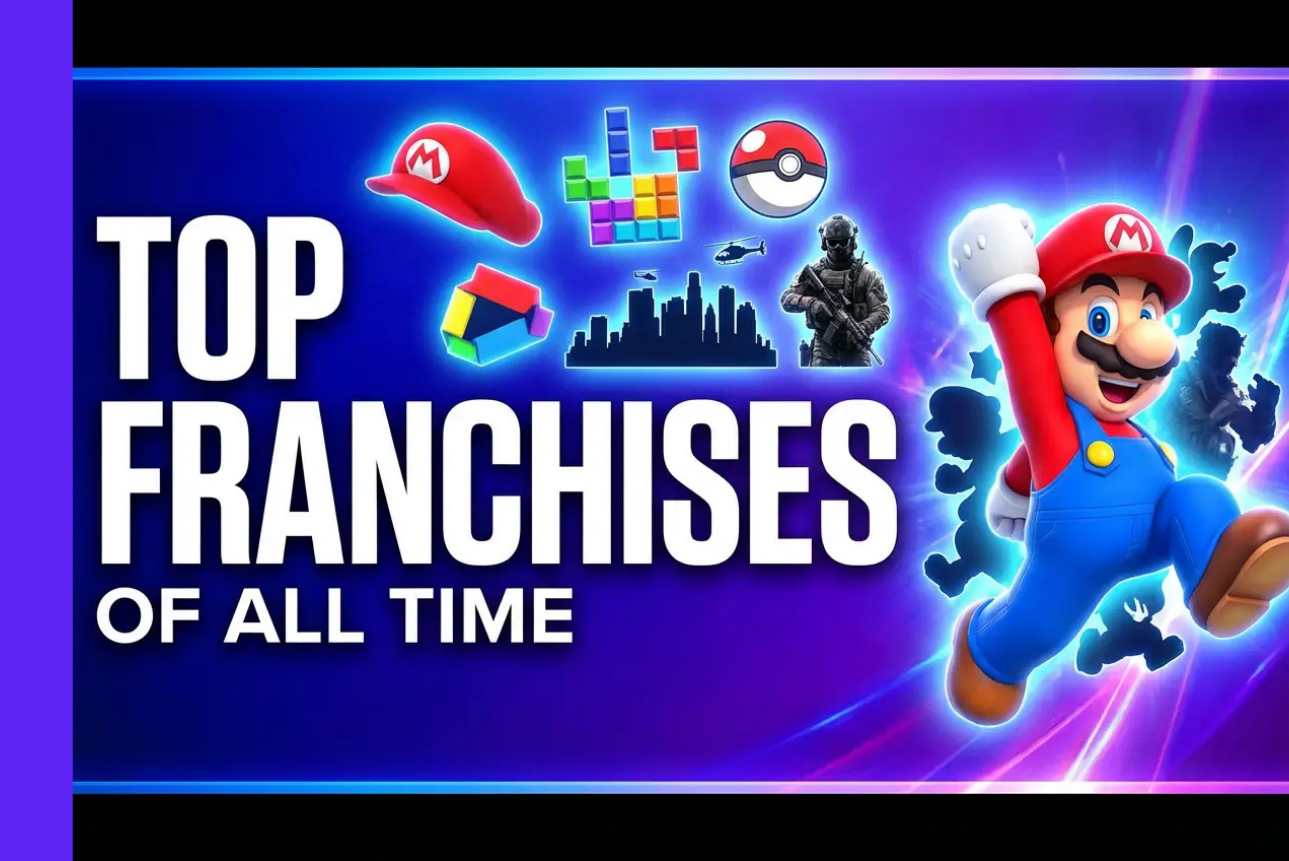
    The biggest video-game franchises of all time are Super Mario, Tetris, Call of Duty, Pokémon, and Grand Theft Auto, each selling hundreds of millions of units worldwide. These franchises stand out not only for sales, but for cultural influence, genre-defining innovation, and multi-generation relevance.


    What counts as a “biggest video-game franchise”?

    A “biggest” franchise isn’t just the one with the most units sold. Modern rankings typically look at:

    • Total lifetime sales across all games, spin-offs, remasters and mobile versions
    • Cultural impact — influence on gaming, pop culture, and other media
    • Longevity — how long the franchise has remained relevant
    • Global reach — number of platforms, regions, and audiences served

    This creates a fuller picture of a franchise’s true scale and legacy.


    What are the biggest video-game franchises of all time?

    1. Super Mario — ~957 million units sold

    According to Icy Veins and data compiled from Nintendo reports, Super Mario is the best-selling video-game franchise ever, approaching one billion copies sold.
    Why it’s huge:

    • Genre-spanning: platformers, racing, sports, RPGs, party games
    • Massive cultural footprint (films, TV, merchandise)
    • High accessibility across every Nintendo console generation

    2. Tetris — ~520 million units sold

    Tetris is one of the most universally recognized games in history. Reports cited by Icy Veins show over 500 million combined units sold, boosted massively by mobile releases.
    Why it’s huge:

    • Simple, timeless gameplay
    • Exists on nearly every platform ever
    • Global appeal across all ages

    3. Call of Duty — ~500 million units sold

    As reported by outlets like Icy Veins and widely referenced sales trackers, Call of Duty has surpassed half a billion units sold.
    Why it’s huge:

    • Annual releases keep the brand continually visible
    • Strong esports and multiplayer communities
    • Dominates the first-person shooter genre

    4. Pokémon — ~480 million units sold

    Pokémon remains one of the most important entertainment franchises in the world — not just in gaming.
    Why it’s huge:

    • Consistent best-selling RPG formula
    • Multimedia empire (TV, movies, merch, trading cards)
    • “Catch ’em all” mechanic created a generational phenomenon

    5. Grand Theft Auto — ~410 million units sold

    Grand Theft Auto is one of the most influential open-world series ever. GTA V alone has sold more than 200 million copies globally, according to reports widely cited by press outlets.
    Why it’s huge:

    • Genre-defining open-world design
    • Mature themes + cinematic storytelling
    • Massive cultural presence from the early 2000s onward

    Other major franchises worth noting

    These haven’t reached top-five status, but they’ve each sold tens or hundreds of millions:

    • The Sims
    • Final Fantasy
    • FIFA (EA Sports FC)
    • Sonic the Hedgehog
    • Minecraft (huge as a single game, but not a multi-title “franchise”)

    Why do these franchises stay popular for decades?

    1. Multi-genre or evergreen gameplay

    Mario and Pokémon stay fresh by branching into new genres, while Tetris and Call of Duty rely on evergreen formulas adapted to modern systems.

    2. Regular releases and brand familiarity

    Annualized schedules (Call of Duty) or generational releases (Mario, Pokémon) build trust. Players know what to expect — and look forward to it.

    3. Global cultural presence

    These series extend far beyond gaming:

    • Movies
    • Merchandise
    • TV series
    • Competitive events
      This keeps them visible even to non-gamers.

    4. Ability to evolve with technology

    The biggest franchises adapt with:

    • online multiplayer
    • open-world design
    • mobile expansions
    • remakes and remasters
      This evolution helps them stay relevant for new generations.

    Why sales alone don’t tell the full story

    Sales figures can be vague due to:

    • Bundled copies with consoles
    • Digital vs physical reporting differences
    • Remasters counted differently across regions

    More importantly:
    A franchise can be massively influential even without being a top-seller.
    For example:

    • Dark Souls reshaped game design globally
    • Half-Life revolutionized storytelling
      But neither approaches Mario-level sales.

    What this tells us about the gaming industry

    The data shows that:

    • Franchises drive the industry. Big brands anchor company revenue.
    • Nostalgia is powerful. Many top franchises started in the ’80s and ’90s.
    • Multi-platform availability increases longevity.
    • Cross-media expansion boosts popularity.

    In short, the biggest franchises dominate because they combine consistency, innovation, and cultural relevance better than most others.


    FAQ

    What is the best-selling video-game franchise ever?
    Super Mario, with roughly 957 million copies sold.

    Is GTA the fastest-growing video-game franchise?
    It’s one of them — GTA V’s massive sales accelerated the franchise’s total dramatically.

    Are digital sales included in these numbers?
    Yes, most modern data includes digital downloads, though exact counts vary by publisher.

    Which franchise makes the most money today?
    Pokémon is considered the highest-grossing entertainment franchise overall, though Mario leads in pure game sales.

    Could a new franchise ever break into the top five?
    It’s possible, but difficult — most top franchises have 25–40 years of history behind them.


    Conclusion

    The biggest video-game franchises of all time — Mario, Tetris, Call of Duty, Pokémon and Grand Theft Auto — dominate because they blend massive sales with long-term cultural impact. These series have survived generations of changing technology, player expectations, and industry shifts by consistently delivering memorable, accessible, and innovative experiences. Their legacies shape how games are designed, marketed, and enjoyed, making them cornerstones of modern gaming culture.

  • Could PlayStation First-Party Titles Come to Switch or Xbox? The Evidence (2025 Strategic Shift Explained)

    Could PlayStation First-Party Titles Come to Switch or Xbox? The Evidence (2025 Strategic Shift Explained)

    Sony has spent decades defining PlayStation as a hardware-first ecosystem powered by strong exclusives. But as of 2025, multiple signals show a major strategic shift: Sony is openly preparing to bring PlayStation Studios titles to Xbox, Nintendo platforms, and mobile, marking a possible end to the era of total exclusivity. According to outlets like Tweaktown, Windows Central, and India Times, Sony is already building infrastructure for a multiplatform future.


    🔍 Quick Answer

    Sony is testing a multiplatform business strategy in 2025. A high-level Sony job listing explicitly mentions expanding PlayStation Studios games to Xbox, Nintendo, PC, and mobile, and Sony has already published Helldivers 2—a PlayStation Studios–branded title—on Xbox. While flagship franchises like God of War or Spider-Man may remain console-first, the evidence shows Sony shifting from a hardware-locked model toward a software expansion strategy aimed at reaching more players across more devices.


    What Counts as a PlayStation “First-Party” Title?

    A first-party PlayStation title generally refers to:

    • A game developed by Sony-owned studios (e.g., Santa Monica Studio, Naughty Dog)
    • Or a game published under PlayStation Studios / Sony Interactive Entertainment (SIE)
    • Historically released exclusively on PlayStation hardware, with some later arriving on PC

    This includes games like The Last of Us, God of War, Marvel’s Spider-Man, and live-service titles like Helldivers 2, which—despite being developed by Arrowhead—is a PlayStation Studios–published game.

    Mini-summary: First-party = Sony-published PlayStation Studios titles. The strategic question now is whether those games will stay exclusive.


    What Evidence Shows Sony Moving Toward Xbox and Nintendo?

    1. Sony’s Job Listing That Explicitly Mentions Xbox and Nintendo

    One of the clearest signals came from a Senior Director of Product Management job listing spotted by outlets like Tweaktown and Windows Central. The posting stated that the role would oversee PlayStation Studios software “across all digital platforms beyond PlayStation hardware, including Steam, Epic Games Store, Xbox, Nintendo, and mobile.”

    This is unprecedented. Sony has never officially included Xbox or Nintendo in its platform strategy language before.

    What it means:

    • Sony has an official “Multiplatform” division
    • It is hiring leadership to manage relationships with Xbox and Nintendo
    • It plans to commercially support PlayStation titles outside PlayStation consoles

    This is no longer rumor — this is corporate strategy in writing.


    2. Helldivers 2 Already Launched on Xbox (Historic First)

    In August 2025, Sony published Helldivers 2—one of PlayStation’s biggest modern hits—on Xbox Series X|S.
    India Times and The Verge highlighted how this breaks decades of Sony precedent: it’s the first non-licensed PlayStation Studios title to ship on Xbox.

    Key points:

    • Originally launched on PS5 and PC
    • Became Sony’s fastest-selling PlayStation Studios title ever
    • Officially released on Xbox with cross-play support
    • Performed strongly on Xbox charts, proving Sony IP can thrive outside its ecosystem

    This was the test case—and it succeeded.


    3. Sony Is Reframing Itself as a “Platform + Services” Company

    Analysts across Windows Central and ComicBook.com have noted Sony’s shift in language. Executives have been describing PlayStation less as “a hardware ecosystem” and more as a software and services platform.

    Why this shift is happening:

    • PlayStation hardware sales are slowing as the PS5 enters mid-lifecycle
    • PC ports have performed extremely well (e.g., God of War breakouts)
    • Live-service games thrive with larger audiences across more devices
    • Competition from Xbox and Nintendo is reshaping exclusivity expectations
    • Shareholders want revenue growth beyond console units

    This mirrors Microsoft’s own strategy pivot that began years earlier.


    4. Industry Analysts Believe Sony Is Building a Multiplatform Future

    Several industry interpreters frame the job listing and Helldivers 2 release as part of a larger strategy:

    • Windows Central: Sony is “positioning PlayStation Studios as a publisher beyond hardware.”
    • Tweaktown: The job listing is “the clearest signal yet that PlayStation exclusivity is evolving.”
    • VGChartz: Sony is preparing for a “hybrid multi-device model” for future titles.

    In other words: this is not random—this is company-wide planning.


    What Does This Mean for Big PlayStation Franchises?

    It does not mean every major PlayStation exclusive will immediately join the Xbox or Nintendo libraries.

    More likely:

    Sony will adopt a tiered exclusivity model:

    1. Premium exclusives launch first on PlayStation consoles
    2. Later release on PC
    3. Select titles — especially live-service, multiplayer, or social games — may go to Xbox and Nintendo

    This mirrors Microsoft’s mixed-exclusivity approach and allows Sony to maximize both hardware sales and software revenue.

    Mini-summary: Sony’s biggest IP probably stays PlayStation-first, but not necessarily PlayStation-only.


    So… Will PlayStation Games Come to Switch 2?

    If Sony goes multiplatform, Switch 2 is more likely than the current Switch.
    Reasons:

    • Switch 2 is expected to be significantly more powerful
    • Sony’s job listing uses “Nintendo” generically, but analysts assume it means next-gen hardware
    • Live-service games (like Helldivers 2) benefit from Nintendo’s enormous user base

    While The Last of Us isn’t hitting a Nintendo console anytime soon, select titles could—especially if Sony prioritizes reach over exclusivity.


    FAQ

    Will big PlayStation exclusives like God of War or Spider-Man go to Xbox?

    Not in the near term. These are system sellers. But Sony could eventually bring older titles to other platforms if the strategy proves successful.

    Why is Sony doing this now?

    Because software revenue — especially from live-service games — grows faster when not limited to one console.

    Does this mean PlayStation hardware is becoming less important?

    No. Sony will continue to make consoles, but hardware is no longer the only gateway to PlayStation games.

    What is the most credible evidence of Sony going multiplatform?

    A Sony job listing explicitly referencing Xbox and Nintendo platforms, plus Helldivers 2’s successful release on Xbox.

    Could PlayStation games come to Nintendo Switch 2?

    Yes — especially live-service games. The original Switch was too limited, but Nintendo’s next-gen hardware changes the equation.

    Is this similar to Microsoft’s strategy?

    Yes. Sony appears to be moving toward a hybrid strategy: console-first, multiplatform-second.


    Conclusion

    As of 2025, all signs point to Sony preparing a significant strategic evolution. With a job listing explicitly naming Xbox and Nintendo, and the successful multiplatform launch of Helldivers 2, Sony is no longer tied to the traditional “PlayStation-only” mindset. Instead, it is building a future where PlayStation Studios becomes a multiplatform publisher, while still launching its biggest exclusives first on PlayStation hardware. This hybrid approach positions Sony to grow software revenue, compete with Microsoft’s ecosystem model, and expand PlayStation’s presence across the entire gaming landscape.


  • From Steam Deck to TV Box: Valve’s 2026 Console and the Future of Home Gaming

    From Steam Deck to TV Box: Valve’s 2026 Console and the Future of Home Gaming

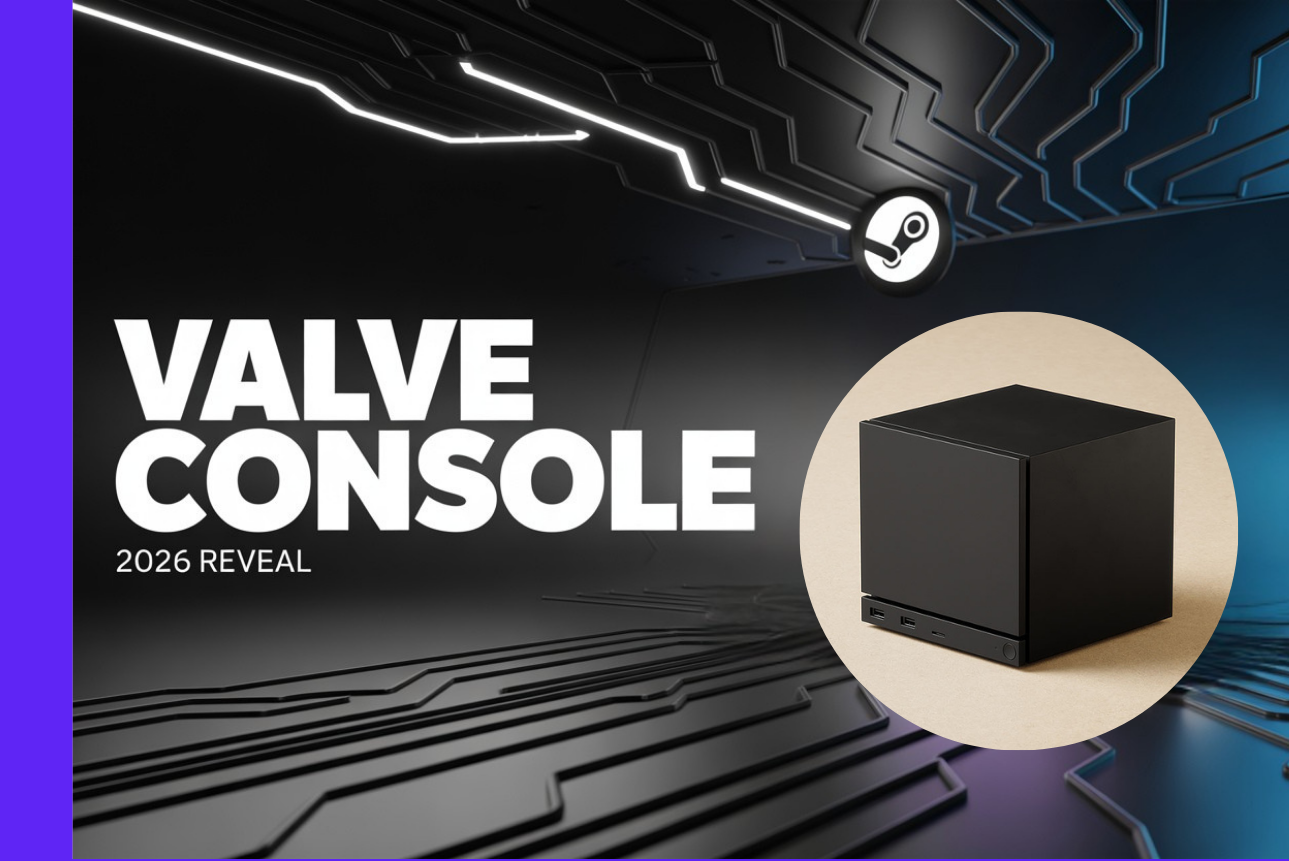
    Valve has confirmed plans to launch a new console-style gaming device in early 2026 — a move that has caught the industry’s attention. Known informally as the next evolution of the “Steam Machine,” the device aims to bring PC power and the Steam library directly into the living room. As PC and console ecosystems continue to overlap, Valve’s hardware ambitions could meaningfully shift the gaming landscape over the next few years.


    What Valve Has Announced

    A New Living-Room-Focused Gaming Device

    Valve’s upcoming hardware is designed as a compact, console-like system running SteamOS. Unlike traditional consoles, the device is expected to support the full Steam library while offering performance that far exceeds handheld hardware like the Steam Deck. Early details suggest a focus on 4K gaming, strong thermal design, and a streamlined, couch-friendly interface.

    Expected Power and Features

    While full specifications haven’t been officially published, Valve has described the device as significantly more powerful than the Steam Deck. Reports indicate it may feature an AMD Zen 4–based CPU paired with a custom RDNA-based GPU, making it capable of modern AAA performance in a box small enough to sit under a TV.

    Additional expectations include:

    • Seamless controller support
    • A simplified TV-first UI
    • Storage options comparable to modern consoles
    • The flexibility to install other operating systems if desired

    Launch Window and Pricing Signals

    Valve has targeted an early-2026 release window. Pricing remains unconfirmed; however, the company has hinted that cost will be “comparable to a PC with similar specs.” That could make the device more expensive than traditional consoles — or highly competitive, depending on final configuration.


    Why Valve’s Console Matters

    Blurring the Line Between PC and Console

    The device aims to offer PC freedom with console simplicity. For console players, it represents an approachable way to access Steam’s massive catalog. For PC gamers, it provides a streamlined, couch-ready system without the hassle of building or maintaining a desktop.

    The push toward hybrid experiences is not new, but Valve’s ecosystem strength makes this effort one to watch closely.

    Pressure on Traditional Console Makers

    If Valve delivers strong performance and a polished living-room experience, Xbox and PlayStation may face new pressure around value, performance, and ecosystem flexibility. While exclusive titles remain a major advantage for traditional consoles, the appeal of an open, PC-like platform with a vast existing library could reshape how players think about upgrading hardware.

    Implications for Developers

    A new hybrid platform could encourage developers to optimize their games differently — especially around input, UI design, and performance targeting. The ability to build once for both PC and Valve’s console-style system may reduce development friction, particularly for smaller studios. Publisher strategies may also shift as hardware boundaries continue to soften.


    Challenges and Open Questions

    How Much Will It Cost?

    Valve’s suggestion that pricing will align with PC-level specs raises a key issue: affordability. If priced too high, the device may appeal primarily to enthusiasts, limiting its mainstream impact. Conversely, a competitive price could make it a legitimate alternative to traditional consoles.

    The Need for a Cohesive Couch Experience

    A strong controller experience, intuitive interface, and consistent performance will be critical. PC-based systems have historically struggled to match console smoothness in living-room environments. Valve will need to demonstrate that SteamOS can deliver polish at the level console players expect.

    Consumer Perception

    Is this a console? A mini-PC? A Steam Deck for the TV? Valve’s messaging will play a major role in how the device is received. Clear positioning will determine whether the product becomes a disruptor or a niche experiment.


    What to Watch Next

    In the months ahead, key indicators will signal how seriously the industry should take Valve’s console effort:

    • Final pricing and SKUs
    • Global or limited launch regions
    • Accessory bundles (controller, dock, storage tiers)
    • Potential exclusive partnerships or first-party titles
    • Developer adoption and optimization support
    • Hardware competition from Sony, Microsoft, and Nintendo

    If Valve executes well, the device could accelerate a shift toward unified, PC-driven gaming ecosystems — and meaningfully alter how living-room gaming is defined.


    Conclusion

    Valve’s planned 2026 console isn’t just another device launch — it’s a statement about where gaming is heading. As PC and console categories continue to merge, Valve is positioning itself at the center of that transition. Whether this system becomes a mainstream contender or a high-end niche product will depend on execution, pricing, and ecosystem polish. Still, it represents one of the most significant hardware developments on the horizon.

    What do you think? If Valve offers competitive pricing and strong performance, would you consider replacing your console or gaming PC with it?

  • Best PC Games of 2025: What You Should Be Playing

    Best PC Games of 2025: What You Should Be Playing

    The Top 5 Games of 2025

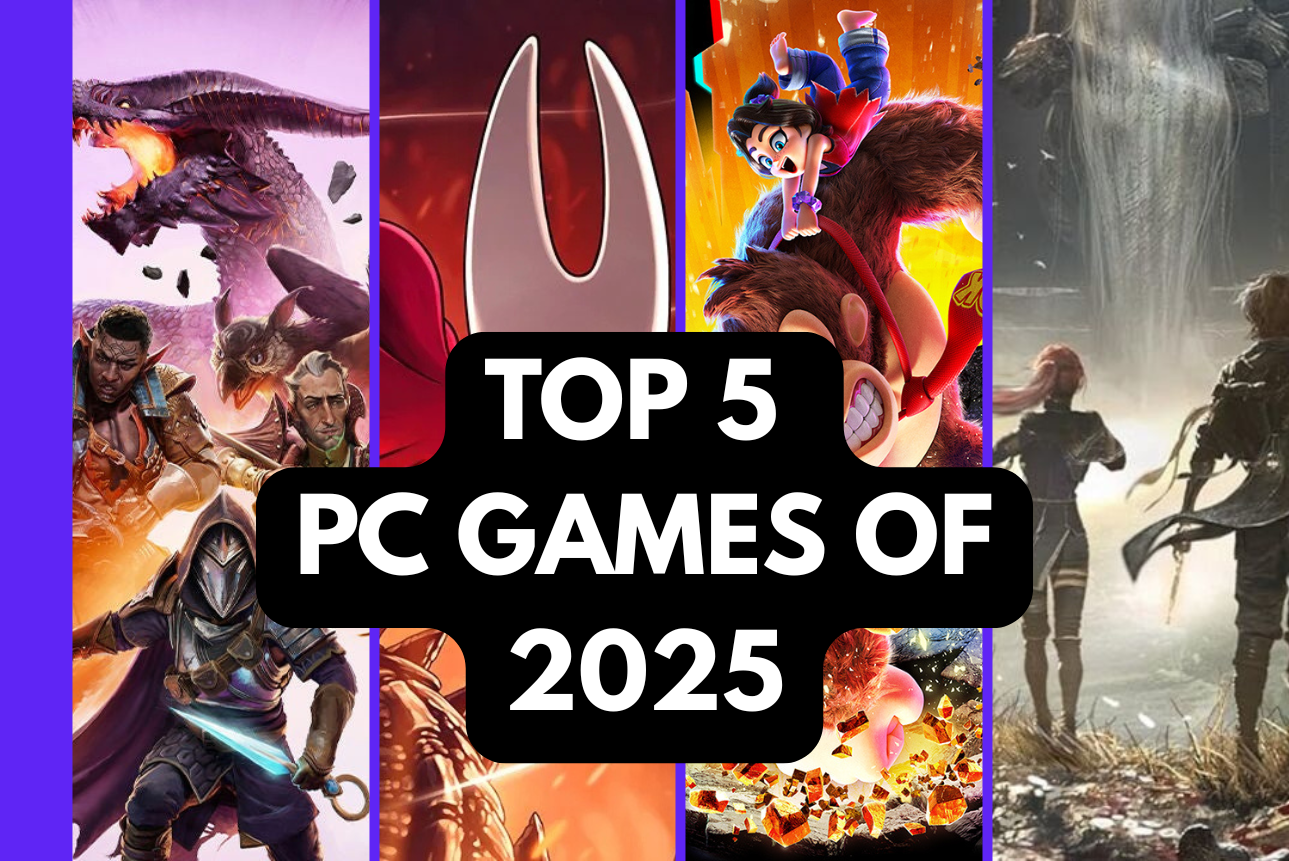
    As 2025 unfolds, gaming continues to evolve—blurring the line between art, technology, and player experience. From haunting indie worlds to cinematic storytelling and next-gen mechanics, this year’s standout titles prove just how far developers are pushing creativity and execution. Below are five games that define the year—each remarkable in its own way.

    1. Hollow Knight: Silksong
    After years of anticipation, Hollow Knight: Silksong has finally emerged as a triumph of precision and challenge. Team Cherry’s sequel refines everything that made the original iconic—razor-sharp combat, intricate exploration, and a hauntingly beautiful atmosphere. Its difficulty is deliberate and rewarding, demanding mastery while constantly revealing layers of artistry. Silksong isn’t just a game; it’s a test of skill wrapped in stunning visual design.

    2. Kingdom Come: Deliverance 2
    Warhorse Studios returns with a bold, historically grounded RPG that redefines realism in medieval storytelling. Kingdom Come: Deliverance 2 builds upon its predecessor with deeper combat systems, more reactive NPCs, and seamless world immersion. Every sword swing, dialogue choice, and political decision feels weighty and authentic. It’s a reminder that grounded, human-driven stories can still stand tall amid a sea of fantasy epics.

    3. Clair Obscur: Expedition 33
    One of the most surprising hits of 2025, Clair Obscur: Expedition 33 proves that brilliance doesn’t require a massive studio. Created by a small, passionate team, this turn-based-meets-real-time RPG blends painterly visuals with emotional storytelling and fluid combat rhythm. It’s an indie masterpiece that delivers AAA-level execution through sheer vision and craft—earning its place among the year’s best through innovation, elegance, and heart.

    4. Death Stranding 2: On the Beach
    Hideo Kojima’s return to his surreal universe once again bends the boundaries of narrative design. Death Stranding 2: On the Beach deepens its exploration of isolation, connection, and rebuilding, backed by striking performances and cinematic direction. It fuses gameplay and storytelling into one continuous emotional journey—less about combat, more about meaning. Few games this year feel as ambitious or as personal.

    5. Donkey Kong Bananza
    Nintendo’s Donkey Kong Bananza brings raw, kinetic joy back to platforming. Exclusive to Switch 2, it revolutionizes classic mechanics with fully destructible terrain—turning every level into a playground of chaos and creativity. The terrain-destruction system gives players freedom to carve their own paths, combining nostalgia with fresh technical flair. It’s proof that even legacy franchises can reinvent themselves for a new generation.

    Why These Games Matter
    Together, these five titles highlight what makes modern gaming extraordinary: diversity of vision. From indie precision to cinematic spectacle, from grounded realism to creative experimentation, 2025 celebrates games that dare to be different. Each title reflects not only technical progress but also a deep respect for player agency and artistic expression.

    Conclusion
    Whether you’re mastering Silksong’s brutal finesse, shaping history in Deliverance 2, marveling at Expedition 33’s artistry, traversing Death Stranding’s surreal landscapes, or breaking ground—literally—in Donkey Kong Bananza, 2025 proves one thing clearly: gaming’s golden age isn’t behind us—it’s happening right now.

  • What’s Next for Hogwarts Legacy 2 as Warner Bros. Faces Major Changes

    What’s Next for Hogwarts Legacy 2 as Warner Bros. Faces Major Changes

    Introduction

    As whispers of Hogwarts Legacy 2 spread across the gaming community, questions are mounting about what the next installment could mean for both Warner Bros. Games and the wider wizarding-world franchise. With reports of possible corporate restructuring and acquisition talks swirling, the fate of one of gaming’s most successful fantasy IPs may hinge on this sequel’s direction.


    The State of the Franchise

    The first Hogwarts Legacy became a global hit, earning over $1 billion in revenue within its first few months and becoming one of 2023’s best-selling titles. Its mix of open-world exploration, character customization, and deep lore tapped perfectly into fans’ nostalgia while offering something fresh.

    Now, as industry insiders suggest that Warner Bros. Discovery may be considering selling or reorganizing parts of its gaming division, the studio’s flagship series stands at a crossroads. A sequel seems inevitable—but its scope, tone, and creative control could look very different depending on what happens behind the scenes.


    What We Know About Hogwarts Legacy 2 (So Far)

    While official details remain scarce, several reports point to Avalanche Software quietly expanding its team to work on the next entry. Leaks hint at:

    • New regions beyond the Scottish Highlands, possibly including London or Diagon Alley.
    • Deeper morality and consequence systems, addressing a major fan request.
    • A continued push toward next-gen console exclusivity (PS5, Xbox Series X/S, and PC).

    If true, these features could transform the sequel from a magical adventure into a more immersive RPG experience—more Elden Ring than theme park tour.


    Warner Bros.’ Corporate Uncertainty and Its Ripple Effect

    In October 2025, reports emerged that Warner Bros. is exploring major strategic shifts, including potential sales or partnerships affecting its gaming arm. That uncertainty has already influenced fan expectations and investor confidence.

    Should a new parent company take control, priorities could shift:

    • Focus on live-service models or monetization (e.g., ongoing updates, cosmetics).
    • Pressure for cross-media synergy—linking future games to upcoming Harry Potter films or TV adaptations.
    • Potential creative restructuring if Avalanche or its leadership changes hands.

    In short, Hogwarts Legacy 2 may not just continue a story—it could mark a new era for how WB handles its biggest entertainment IPs.


    Why This Sequel Matters for the Industry

    This sequel is more than another big-budget RPG; it’s a test case for how legacy entertainment franchises transition into multi-platform, story-driven universes.

    If WB plays it right, Hogwarts Legacy 2 could:

    • Prove that single-player story games still drive blockbuster success.
    • Demonstrate how world-building and nostalgia can coexist with innovation.
    • Set the standard for licensed-IP quality in an era dominated by live-service games.

    But if it stumbles—rushed development, corporate interference, or brand fatigue—it risks turning a magical success into a cautionary tale.


    Conclusion

    The magic of Hogwarts Legacy 2 won’t just depend on spells or storylines—it will depend on how Warner Bros. navigates its own transformation. For fans and industry watchers alike, the question is clear: can a game born from nostalgia evolve into a modern classic without losing its heart?


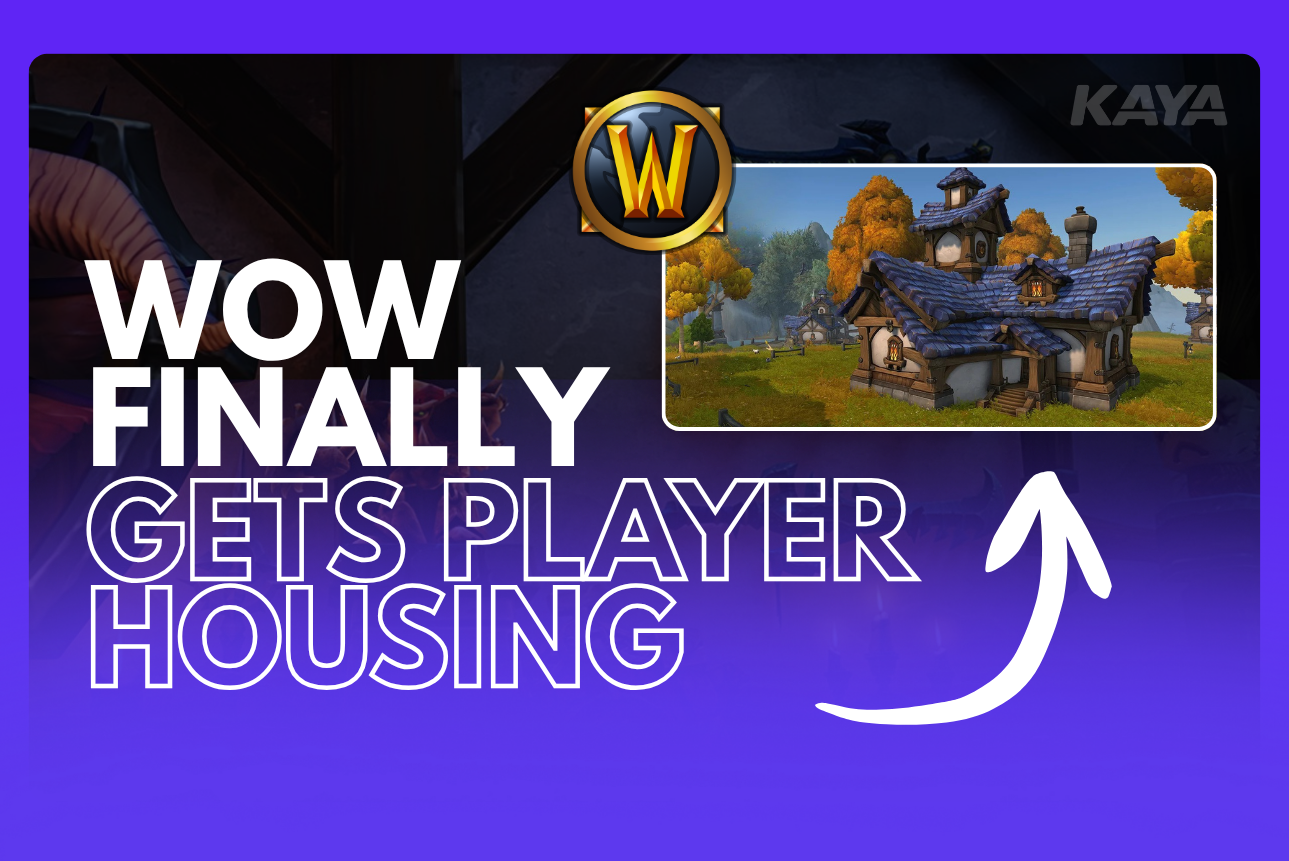
  • Blizzard Confirms Player Housing for WoW’s Midnight Expansion — What to Expect

    Blizzard Confirms Player Housing for WoW’s Midnight Expansion — What to Expect

    Introduction

    After years of community requests and speculation, Blizzard Entertainment has officially confirmed that player housing is coming to World of Warcraft in December 2025. The feature will debut as an early access release for owners of the upcoming Midnight expansion, giving players a long-awaited way to create a true home within Azeroth.


    The Long-Awaited Feature Becomes Reality

    For more than two decades, player housing has been one of the most requested features in World of Warcraft. While other MMOs like Final Fantasy XIV and Elder Scrolls Online have offered housing systems for years, Blizzard’s flagship MMORPG had resisted adding one — until now.

    According to GameSpot and GamesRadar, the new housing system will arrive on December 3, 2025, as part of patch 11.2.7. Players who pre-order World of Warcraft: Midnight will gain early access to two customizable homes — one for each faction — along with a starter set of decorative items.

    Blizzard has teased that the feature will include:

    • Fine-grained customization, allowing players to rotate, scale, and elevate décor items.
    • A large catalog of furnishings inspired by WoW’s diverse zones and expansions.
    • A shared neighborhood system to be introduced later, bringing social hubs and player-driven events.

    The full housing system will expand further with the launch of the Midnight expansion in 2026, including open plots, guild spaces, and thematic seasonal events.


    Why It Matters for WoW’s Future

    This move signals a notable shift in Blizzard’s design philosophy. World of Warcraft has long been driven by combat progression — raids, dungeons, and PvP — while offering little for creative or social play. Housing introduces a non-combat endgame loop, providing reasons for players to engage outside of battle and build personal expression into the game world.

    For Blizzard, it’s also an opportunity to reinvigorate community engagement. Personal housing systems in other MMOs have been powerful tools for retention, inspiring crafting economies, design competitions, and roleplaying communities.

    As Midnight aims to redefine WoW’s accessibility and social fabric, this new feature could become a major pillar of that strategy.


    A New Foundation for the Midnight Expansion

    The housing update is launching alongside a series of system-wide changes planned for World of Warcraft: Midnight. The expansion will continue the Worldsoul Saga storyline, pitting players against the Void and Xal’atath, while reworking class design to reduce reliance on combat add-ons like WeakAuras.

    Game Director Ion Hazzikostas recently acknowledged that WoW’s high-end content has become “too difficult without combat mods,” prompting Blizzard to simplify encounter readability and make the experience more natural for all players.

    Together, these updates — housing, accessibility changes, and open-world improvements — point toward a more modern, flexible World of Warcraft that balances nostalgia with innovation.


    Conclusion

    After twenty years, World of Warcraft is finally giving players a place to call home. The introduction of housing marks not only a long-awaited feature but also a symbolic moment in WoW’s evolution — a shift toward creativity, accessibility, and player-driven expression.

    As December approaches, the question for fans isn’t just how they’ll decorate their homes, but whether this change will usher in a new golden age for Azeroth’s long-running community.

  • Nintendo Sues Reddit Moderator for $4.5 Million Over Alleged Switch Piracy

    Nintendo Sues Reddit Moderator for $4.5 Million Over Alleged Switch Piracy

    Nintendo is seeking $4.5 million in damages from a former Reddit moderator accused of operating piracy networks that distributed Nintendo Switch games. The case highlights the company’s aggressive stance on copyright enforcement — especially in fan and community spaces. Fast Company+2VGC+2


    What’s Going On

    • The lawsuit names James C. Williams, who went by the Reddit alias “Archbox”, as the defendant. Fast Company+1
    • Nintendo alleges that Williams was heavily involved in running and promoting “Pirate Shops”, which made hundreds or thousands of copyrighted Nintendo Switch games available for unauthorized download. VGC+1
    • Williams is accused of using his role as moderator of r/SwitchPirates to post links, steer users toward piracy sites, and solicit “donations” of eShop gift cards in exchange for access to games not yet pirated. VGC+3VGC+3Fast Company+3
    • Nintendo claims it first issued a cease-and-desist notice in March 2024 demanding Williams shut down these sites. Williams allegedly responded, but later denied involvement and failed to comply. Fast Company+1
    • Because Williams apparently did not respond or defend himself in court, Nintendo is asking the court for a default judgment. VGC+2GameSpot+2
    • The lawsuit is grounded in claims of copyright infringement (copying/distribution of games) and circumvention (providing tools or methods to bypass Nintendo’s protections). VGC+1

    How Nintendo Arrived at $4.5 Million

    Nintendo’s filing focuses on 30 specific first-party titles that Williams allegedly pirated. For each, Nintendo is seeking statutory damages up to $150,000, which totals the $4.5 million figure. VGC+2Fast Company+2

    Although Nintendo could have pursued more (given the potential volume of piracy and circumvention claims), it appears the company chose a conservative but significant sum tied to known titles. VGC

    A hearing to enter the default judgment is scheduled for October 24, 2025. VGC


    Why This Case Matters

    1. Community Roles Under Scrutiny
      This isn’t just a case of a piracy website. Nintendo is pointing to activity in a public, community space (Reddit) and leveraging moderation privileges as part of the alleged scheme.
    2. Precedents & Aggressive IP Enforcement
      Nintendo has previously pursued emulator teams and mod chip sellers. This adds a case where community figures (not just developers or hardware mods) can be held to account. Fast Company+2VGC+2
    3. Legal Strategy via Default Judgment
      Nintendo’s path — suing, getting no response, then asking for default judgment — is a tactic to enforce claims even when the defendant does not engage.
    4. Damage Claims & Statutory Limits
      By anchoring damages in statutory amounts per game, Nintendo leverages the high ceilings available in U.S. copyright law while keeping demands tied to selected infringements.

    Risks & Open Questions

    • The case has not yet been decided — the allegations remain just that until a court rules.
    • A default judgment could be challenged later (for example, if Williams later appears or moves to vacate the default).
    • Enforcement of the judgment — collecting $4.5 million — can be difficult if the defendant lacks resources or hides assets.
    • This could raise concerns around chilling effects on fan sites, mod communities, or volunteer moderators, especially in ambiguous areas of copyright.

    Final Thoughts

    Nintendo’s lawsuit against a Reddit moderator underscores the company’s zero-tolerance policy toward piracy, especially when community influence is involved. Whether the court grants the default judgment or Williams attempts to fight back, this case may set new boundaries for how companies engage with online communities and moderators in copyright enforcement.

  • 2025’s Biggest Game Launches Reviewed: Wins, Woes, and What Comes Next

    2025’s Biggest Game Launches Reviewed: Wins, Woes, and What Comes Next

    Gaming in 2025: A Mixed Bag of Launches

    The gaming world is rarely quiet, but 2025 has been especially packed with big releases. From long-awaited sequels to experimental indies, the past few months have delivered a wide spectrum of titles—and reactions. Some launches are being hailed as instant classics, while others face technical woes or mixed reviews. Here’s a roundup of how some of the most notable new games are faring.


    Silent Hill f — A Strong Horror Revival

    Konami’s Silent Hill f has quickly proven there’s still a massive appetite for narrative horror. Selling over one million copies in just four days, the game is outperforming the 2023 remake of Silent Hill 2. Critics have praised its chilling storytelling, monster design, and atmosphere, with reviews averaging in the mid-80s on Metacritic.

    Some players have flagged pacing issues and minor bugs, but overall, this feels like a landmark moment for the franchise—a true return to form.

    Takeaway: Horror is alive and well, and Konami seems to have found the right formula for modern audiences.


    Hades 2 — A Rare Sequel Success

    Few games were as beloved as Hades, so expectations for its sequel were sky-high. Fortunately, Hades 2 has not only met those expectations but arguably surpassed them.

    Having exited early access, the game now sits at “Overwhelmingly Positive” on Steam and recently more than doubled the original game’s peak concurrent players. Fans highlight its refined combat, expanded character relationships, and a deeper, richer world.

    Takeaway: Supergiant Games shows how to make a sequel that feels familiar yet fresh—listening to fans while expanding scope and ambition.


    Borderlands 4 — Fun Buried Under Frustration

    Gearbox’s Borderlands 4 was supposed to bring the looter-shooter franchise roaring back. Instead, its launch has been marred by performance issues, frequent crashes, and stability problems, leading to “Mostly Negative” user reviews on Steam.

    A day-one patch has alleviated some problems, but the rocky debut has overshadowed the game’s trademark humor, chaotic co-op, and over-the-top loot systems.

    Takeaway: Technical stability remains critical. Even beloved franchises can struggle if they stumble at launch.


    Stormgate — RTS Revival or Growing Pains?

    From former StarCraft and Warcraft developers, Stormgate was pitched as the spiritual successor to classic RTS. After leaving Early Access, it launched to mixed reviews, with around 50% positive user ratings on Steam.

    Players enjoy its tactical depth and clear nods to RTS history, but others criticize balance issues, lack of polish, and a thin feature set at launch. The developers stress this is just the beginning of a long development roadmap.

    Takeaway: RTS fans may need patience, but Stormgate could grow into something special with sustained support.


    Hollow Knight: Silksong — Finally Here, and Worth the Wait

    After years of delays, Silksong finally launched in September 2025. The follow-up to the indie darling Hollow Knight has been met with critical acclaim, praised for its fluid combat, expanded world design, and stunning art direction.

    Fans highlight how it respects the DNA of the first game while introducing fresh mechanics and a new protagonist, Hornet. Some reviews note the difficulty spike feels harsher, but for many, that’s part of the charm.

    Takeaway: Sometimes, patience pays off—Silksong is shaping up to be another indie classic.


    What These Launches Tell Us

    The mixed receptions of these titles highlight a few trends:

    • Quality control at launch is more important than ever. Borderlands 4’s issues show how technical stumbles can dominate conversation.
    • Sequels can succeed—if they evolve meaningfully. Both Hades 2 and Silksong prove that iterative design with fresh twists resonates.
    • Niche genres are thriving again. Silent Hill f and Stormgate show that horror and RTS can still find passionate audiences when executed well.
    • Indie creativity remains vital. Games like Silksong remind us that small teams can produce industry-defining experiences.

    Conclusion

    2025’s game launches reveal a landscape in flux. Some titles are runaway hits, others need more time and patchwork, and a few fall somewhere in the middle. What’s clear is that player expectations are higher than ever—polish, innovation, and community engagement are essential for long-term success.

    The question is: which of these games will we still be talking about in five years?

  • Silksong, Daft Punk & Canceled Marvel: A Snapshot of Gaming in 2025

    Silksong, Daft Punk & Canceled Marvel: A Snapshot of Gaming in 2025

    Introduction

    In 2025, the video game landscape is marked by surprising hits, creative crossovers, and sharp reminders of the industry’s volatility. From indie triumphs to high-profile cancellations, this year is already shaping narratives that will echo well beyond their release windows.


    Hollow Knight: Silksong — Indie Thunderbolt

    One of the standout stories is the release of Hollow Knight: Silksong, which shattered expectations. On September 4, 2025, Team Cherry launched the sequel after years of anticipation—and the response was immediate. The game’s release flooded digital storefronts, crashing Steam, the Nintendo eShop, and PlayStation’s store due to demand. Tom’s Hardware

    Silksong’s early metrics are striking. It hit over 535,000 concurrent players on Steam only hours after launch, becoming one of the most-played games ever on the platform—outpacing some major AAA titles. Tom’s Hardware

    What makes this especially impressive is that Silksong is, by design, a “smaller” game: a single-player Metroidvania from a tiny team. Its success signals that even in an era of blockbuster budgets, well-crafted and passionately made indie games can still dominate attention.


    Fortnite × Daft Punk — Gaming Meets Musical Legacy

    In a different vein, Fortnite continues to push the boundaries of how games intersect with pop culture. The game announced “The Daft Punk Experience”, a collaboration with the legendary electronic duo, complete with themed rooms, remixing zones, and immersive interactive elements. The Sun+1

    This isn’t just a cosmetic crossover; it’s a designed event meant to engage fans of both gaming and music. From a game design perspective, it exemplifies how live, temporary events are becoming core to sustaining player engagement and expanding brand reach.


    Canceled Marvel Project — A Jarring Breakdown

    On a more sobering note, a high-profile Marvel game was abruptly canceled after its developer, Cliffhanger Games (owned by EA), was shut down. Many fans had been expecting an action-adventure title, possibly centered around Black Panther. The Sun

    The cancellation reportedly came as part of a larger restructuring within EA. The move stirred backlash online, with players and observers labeling it a “disappointing shambles” given the weight Marvel properties carry and the expectations built around them. The Sun

    This case underscores the risks behind big-licensed games: the financial and strategic demands are high, and the consequences of misalignment—or of shifting corporate priorities—are severe.


    Other Noteworthy Titles & Trends

    • Marvel 1943: Rise of Hydra — A period piece set in WWII with Marvel characters, now pushed to 2026, showing how even major IP-driven projects face delays and uncertainty. GamesRadar+
    • Commandos: Origins — Released April 2025, this real-time tactics game revives a classic series, adding co-op play and more flexible mission approaches. Wikipedia
    • Echoes of the End — Released August 2025, an action-adventure title exploring magical powers and political conflict in a fractured world. Wikipedia
    • Rift of the NecroDancer — A rhythm game released earlier in 2025, which continues to expand via DLC and crossover content. Wikipedia

    Broader Themes & What to Watch

    1. Indie Momentum in a AAA World
      Silksong’s success highlights that excellence, originality, and community support can rival—or even exceed—big-budget games in impact.
    2. Live Content as Core Strategy
      Fortnite’s collaboration shows that episodic events and cross-media tie-ins aren’t just extras—they’re central to retaining player interest.
    3. Volatility Behind the Scenes
      The Marvel project cancellation is a reminder that even high-potential games are vulnerable to internal shifts, budget reallocations, and strategic pivots.
    4. Delays, Sequels & World-Building
      Many big projects (Marvel 1943, etc.) aren’t dead but are stepping back into longer development cycles. The pressure to innovate—visually, narratively, mechanically—is intense.

    Conclusion

    2025 is shaping up as a telling year for games. We’re seeing indie breakthroughs, immersive collaborations, and high-stakes corporate decisions all in close proximity. These stories reflect both the creative potential and the instability inherent in the medium.

    If you like, I can turn this into a monthly gaming newsletter or spotlight one game with deeper analysis (design, mechanics, audience reaction). Which direction do you prefer?

  • Upcoming Nintendo Switch 2 Games: What’s on the Horizon?

    Upcoming Nintendo Switch 2 Games: What’s on the Horizon?

    Nintendo’s September 2025 Direct offered fans a packed showcase of what’s coming to the Switch 2, outlining a release calendar filled with sequels, remasters, and brand-new adventures. The lineup reflects Nintendo’s strategy of balancing iconic franchises with experimental titles, ensuring that its next-generation console launches with both fan favorites and fresh experiences.

    Big Names Arriving in 2025

    The remainder of 2025 is set to be a banner year for the Switch 2:

    • Hades 2 (Sept 25) – Supergiant’s acclaimed roguelike makes its console debut.
    • EA Sports FC 26 (Sept 26) – Football fans can dive into revamped career and tournament modes.
    • Pac-Man World 2 Re-Pac (Sept 26) – A modernized remake of the 2002 3D platformer.
    • Final Fantasy Tactics: The Ivalice Chronicles (Sept 30) – A remastered strategy RPG classic.
    • Borderlands 4 (Oct 3) – Gearbox promises its “most ambitious” looter-shooter yet.
    • Pokemon Legends: Z-A (Oct 16) – A fresh take on the series with new combat mechanics.
    • Plants vs. Zombies: Replanted (Oct 23) – Tower defense returns in HD with co-op support.
    • Metroid Prime 4: Beyond (Dec 4) – Samus finally returns after nearly a decade in development.

    These releases are joined by horror experiences like Little Nightmares 3, co-op RPGs such as Dragon Quest I & II HD-2D Remake, and indie gems like Mina the Hollower.

    Looking Ahead to 2026

    Nintendo is already setting the stage for 2026, with several high-profile releases confirmed:

    • Final Fantasy 7 Remake Intergrade (Jan 22) – A major JRPG landing on Switch for the first time.
    • Dragon Quest 7: Reimagined (Feb 5) – A visually reworked take on the PS1 classic.
    • Resident Evil Requiem (Feb 27) – A brand-new entry in Capcom’s horror saga.
    • Monster Hunter Stories 3: Twisted Reflection (Mar 13) – A continuation of Capcom’s monster-bonding spin-off.
    • Yoshi and the Mysterious Book (Spring 2026) – A storybook-styled platformer with charming companions.
    • Fire Emblem: Fortune’s Weave (TBC 2026) – A new chapter for the tactical RPG franchise.

    Why This Matters

    The Switch 2 lineup shows a clear strategy: Nintendo is doubling down on fan-favorite IPs (Mario, Zelda, Pokémon, Fire Emblem) while ensuring third-party developers like Square Enix, Capcom, and Bandai Namco support the platform with cross-platform hits. This could help the Switch 2 maintain broad appeal in the face of competition from the PlayStation 5 and Xbox Series X.

    Moreover, experiments like Goodnight Universe (a psychic baby adventure) and The Duskbloods (a FromSoftware gothic exclusive) suggest Nintendo is willing to take risks alongside its safer blockbuster bets.

    Conclusion

    From Mario Kart World to Metroid Prime 4: Beyond, the Switch 2 already has a packed release schedule. Whether you’re into tactical RPGs, horror adventures, or lighthearted party titles, the console looks positioned to have one of Nintendo’s most diverse lineups yet.

    The big question: which of these upcoming Switch 2 games will define the console’s legacy—and which will be forgotten?