Category: Lumi

  • Best Minecraft Mods & Modpacks of 2025

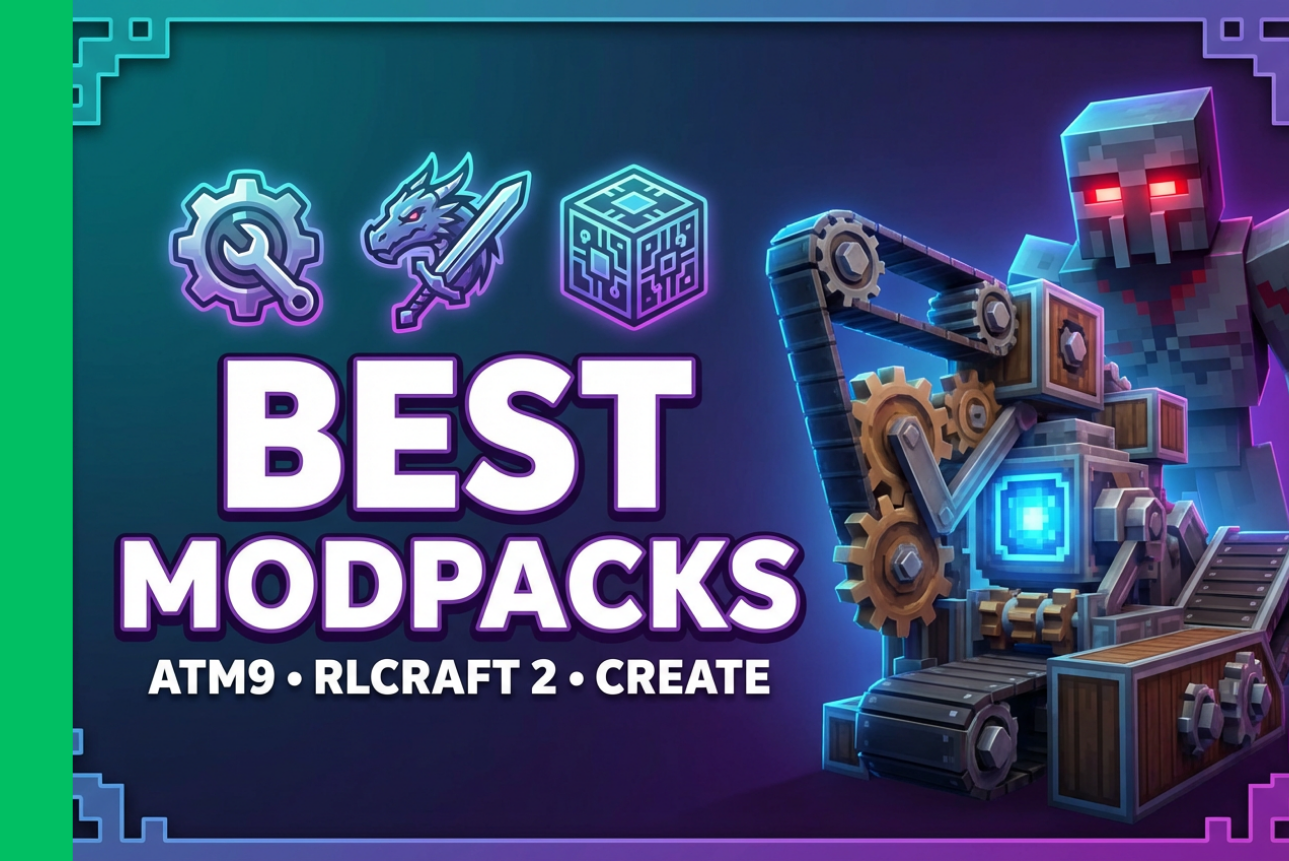
    Best Minecraft Mods & Modpacks of 2025

    Quick Answer

    The best Minecraft mods and modpacks of 2025 focus on performance boosts, exploration, automation, realism, and expansive RPG-style progression. Top picks include Fabric and Forge performance mods, All The Mods 9, RLCraft 2, Tinkers’ Evolution, BetterEnd, Create, and lightweight modpacks for casual and mobile-adjacent players. These options improve gameplay without sacrificing stability, making them ideal for both new and veteran players.

    What Are the Best Minecraft Mods of 2025?

    Minecraft’s modding ecosystem continues to grow in 2025, with new performance enhancements, world-generation upgrades, tech mods, magic systems, and quality-of-life improvements. Here are the most impactful and widely adopted mods this year.

    Performance & Optimization Mods

    • Sodium (Fabric) – The go-to performance mod, offering massive FPS boosts.
    • Iris Shaders – Adds modern shader support while staying compatible with Sodium.
    • Lithium – Improves server and single-player performance.
    • FerriteCore – Reduces memory usage and optimizes rendering.
    • Starlight – Fixes and rewrites Minecraft’s lighting engine for smoother gameplay.

    World Generation Mods

    • BetterEnd + BetterNether – Expands both dimensions with new biomes, mobs, and structures.
    • Terralith 3.0 – Top-tier overworld overhaul with 100+ new biomes.
    • Regions Unexplored – Beautiful worldgen for vanilla-friendly adventures.
    • YUNG’s Structure Suite – Adds upgraded dungeons, strongholds, mineshafts, and more.

    Tech & Automation Mods

    • Create – The most innovative tech/automation mod, known for mechanical contraptions.
    • Applied Energistics 3 – Item storage, networks, and automation at a massive scale.
    • Mekanism – Multi-tier tech progression with advanced machines.
    • Thermal Series – A staple for energy, tools, and automation.

    Magic, RPG, and Adventure Mods

    • Origins++ – Adds dozens of new races, abilities, and progression paths.
    • Ars Nouveau 2 – Deep spell crafting and magic automation.
    • Project MMO – RPG leveling system for skills and combat.
    • Alex’s Mobs – Adds rich wildlife for RPG-like progression.
    • Bosses of Mass Destruction – Challenging bosses for endgame players.

    Quality-of-Life Mods

    • JEI / REI – Recipe guides you can’t play without.
    • Traveler’s Backpack – Portable storage for adventure.
    • Waystones – Fast travel for exploration-heavy worlds.
    • AppleSkin – Shows saturation and hunger values.
    • Inventory Profiles Next – Sorting and management tools.

    What Are the Best Minecraft Modpacks of 2025?

    Modpacks define how players experience Minecraft at scale, and 2025 is full of polished, stable, and feature-rich options across tech, magic, adventure, and performance-focused builds.

    All The Mods 9 (ATM9)

    A massive, feature-rich modpack perfect for players who want everything.

    • Includes Create, Mekanism, AE3, Twilight Forest, and hundreds more
    • Huge endgame with bosses, dimensions, and automation
    • Best suited for powerful PCs

    RLCraft 2 (2025 Update)

    One of the most popular hardcore packs gets a major refresh.

    • New mobs, temperature systems, survival mechanics
    • RPG progression, difficulty overhaul, and new biomes
    • Ideal for challenge seekers

    Better Minecraft (Fabric/Forge)

    A fan-favorite for players who want “Minecraft but better.”

    • Adds new dimensions, structures, mobs, items
    • Stable and beginner-friendly
    • Great for long-term exploration worlds

    Create: Arcane Engineering

    A 2025 standout combining tech and magic.

    • Powered by Create + Ars Nouveau
    • Focuses on factories, spell systems, automation
    • Perfect for intermediate players

    Medieval MC 2025

    A full RPG overhaul.

    • Quests, classes, magic progression
    • Dozens of dungeons and structures
    • Ideal for fantasy lovers who want Skyrim meets Minecraft

    SkyFactory 5

    The newest installment of the iconic skyblock automation series.

    • Void world progression
    • Heavy on automation and tech trees
    • Addictive long-term progression

    Lightweight Modpacks (For Low-End PCs)

    • Fabulously Optimized – Performance-first Fabric pack
    • Vanilla+ Essentials – Quality-of-life minimalism
    • Explorers Delight – Small adventure-focussed pack

    These are perfect for players with lower-end laptops or limited RAM.

    How to Choose the Right Modpack in 2025

    When picking a modpack, consider:

    • Your PC specs – Big packs need 8–12GB RAM
    • Playstyle – Tech, magic, adventure, hardcore, or casual
    • Version compatibility – Most 2025 packs target 1.20–1.21
    • Single-player vs Multiplayer – Some packs are server-heavy

    A good rule: Choose modpacks with active updates and large Discord communities.

    Is Modding Still Worth It in 2025?

    Absolutely. Modding remains one of the biggest reasons Minecraft stays relevant. Mods offer:

    • Better performance
    • Hundreds of hours of progression
    • RPG and fantasy systems
    • New worlds and creatures
    • Tech and automation comparable to factory games

    With Fabric and Forge both thriving, modding has never been more stable.

    FAQ

    Q: Are 2025 modpacks stable for survival worlds?
    Yes — many modpacks now include built-in performance mods, crash prevention, and optimized configs.

    Q: Fabric or Forge for 2025?
    Fabric = performance, lightweight, fast updates. Forge = large content mods and big tech packs.

    Q: What mods are best for beginners?
    JEI/REI, Waystones, AppleSkin, Traveler’s Backpack, and Vanilla+ packs.

    Q: What’s the most popular pack right now?
    ATM9, RLCraft 2, and Better Minecraft consistently lead downloads.

    Conclusion

    The best Minecraft mods and modpacks of 2025 enhance every part of the experience — performance, exploration, magic, tech, and survival. Whether you prefer lightweight performance mods or massive RPG/tech packs, this year offers something for every type of player. Thanks to the continued support of the modding community, Minecraft remains one of the most customizable games ever made.

  • From Blocky World to Box Office: How A Minecraft Movie Became a Cultural Phenomenon

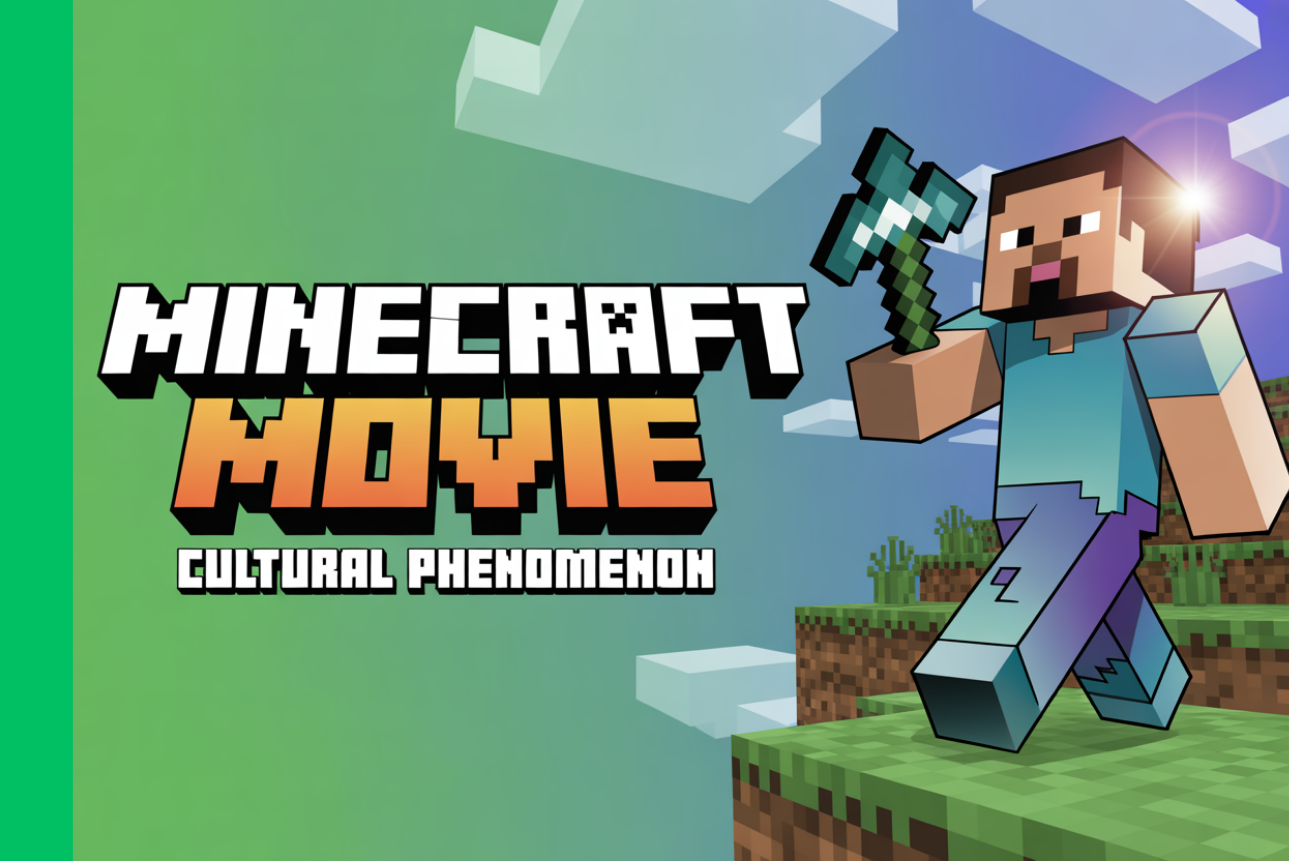
    From Blocky World to Box Office: How A Minecraft Movie Became a Cultural Phenomenon

    The transition of the sandbox sensation Minecraft into a full-blown cinematic blockbuster might have seemed unlikely — yet by spring 2025, the film adaptation not only succeeded, but exploded into a cultural event. Here’s how it happened, the factors behind its success, and what it means for gaming, film and culture.


    What is A Minecraft Movie?

    A Minecraft Movie is a 2025 fantasy-adventure film based on the Minecraft game franchise by Mojang Studios. Wikipedia+1
    Directed by Jared Hess and starring Jack Black, Jason Momoa, and Danielle Brooks, the film dramatises a group of misfits pulled from the real world into Minecraft’s cubic Overworld, tasked with returning home while mastering a world of blocks. Wikipedia+1
    With a budget around US$150 million, it went on to gross approximately US$957 million globally. Wikipedia+1


    Why did it succeed at the box office?

    1. Built-in fan base + global brand

    Minecraft is one of the best-selling video games of all time, with hundreds of millions of players, extensive YouTube/streaming presence and deep cultural penetration. That gave the film a hugely ready-made audience. The Guardian+1

    2. Smart release strategy & marketing

    The film opened to a US$163 million domestic opening weekend, and around US$313 million globally in its first weekend. Screen Daily+1
    Major tie-ins helped amplify reach — brand partnerships with fast-food, merchandising, global rollout.

    3. Cross-generational appeal

    While rooted in a game popular with kids and teens, the film also appealed to families and general audiences, giving it broader reach than many game-to-film adaptations.

    4. Culture and internet momentum

    Beyond ticket sales, the movie sparked a viral “fan participation” phenomenon in theaters (more on that below). That kind of grassroots social buzz amplified its visibility and longevity.


    What cultural phenomena grew out of the movie?

    • Theatre “chicken jockey” craze
      In screening rooms around the world, fans shouted lines like “I… am Steve!” or “Chicken jockey!”, referencing in-game jokes. Some theaters issued warnings due to rowdy behavior. San Francisco Chronicle+1
    • Memeification
      The film’s visuals, dialogue and references became widely memed, driving free social-media marketing and making it feel like a “living” event.
    • Branding and merchandising explosion
      The film’s success reinforced Minecraft not just as a game, but as a multi-platform brand — toys, apparel, experiences.
    • Box-office records
      It became the highest-opening weekend for a video-game-adapted film at that time. Barron’s+1

    What challenges did the film overcome?

    • Adapting a sandbox game with minimal narrative
      Minecraft’s core appeal is open-ended creation. Translating that into a coherent story for film was non-trivial. The developers and filmmakers had to craft characters and plot around a game without a traditional narrative. Wikipedia
    • Skepticism over game-to-movie adaptations
      Historically, many video-game films under-deliver. The debut trailer received mixed reactions, and critics were cautious. Wikipedia
    • Global appeal and cultural translation
      Ensuring the film resonated not just in Western markets but globally required a strategy that balanced game references with universal storytelling.

    What does this success mean for gaming & film?

    • Validation for game-owned IP in cinema
      The success of A Minecraft Movie suggests that video-game franchises can successfully cross into film — if handled smartly with brand strength, audience alignment and global marketing.
    • Platform-brand synergy
      For Mojang/Microsoft (owners of Minecraft), the film expands the ecosystem: game sales, DLC, spinoffs, merchandise — all benefit from crossover success.
    • Event-screening culture reinvigorated
      Audiences again flocked to theaters for a communal experience — not just to watch a movie, but to participate in a cultural moment.
    • Sequel momentum is now in motion
      A sequel has already been announced for July 23 2027. People.com The brand continues to build on the film’s momentum.

    Key Takeaways for Brands and Creators

    • Leverage existing passionate communities: Minecraft’s fan base was central to the film’s launch power.
    • Create cross-generational appeal: Appeal to core fans plus wider family audiences increases scale.
    • Design for participation & shareability: Meme-worthy content, theater-events, social tie-ins boost reach.
    • Maintain branding consistency: Staying true to the game’s look and feel (cubic visuals, sense of play) helped authenticity.
    • Plan for multi-platform ecosystem: Film works as part of a broader plan (game updates, merchandise, streaming) not just a standalone release.

    Conclusion

    A Minecraft Movie didn’t just succeed — it soared. By blending a massive gaming brand, savvy marketing, cross-demographic appeal and cultural-moment energy, it transformed a sandbox video game into a theatrical event. The film’s performance underscores how strong game IP, when handled correctly, can bridge into film and entertainment big time — and set new standards for game-to-movie adaptations.

    Whether you’re a creator, brand strategist or just a gaming fan, the lesson is clear: build with the community, lean into culture, and think beyond screens.


    FAQ

    What was the budget of A Minecraft Movie?

    The estimated budget was approximately US$150 million. Wikipedia+1

    How much did it make at the box office?

    Worldwide gross reached roughly US$957 million, making it one of the highest-grossing video-game-adapted films ever. Wikipedia+1

    When was it released?

    The world premiere took place March 30 2025 in London; the global theatrical release followed on April 4, 2025. Wikipedia+1

    Is there a sequel?

    Yes — a sequel is officially scheduled for July 23 2027. People.com

    Why did the film spark unruly theater behaviour?

    Fans embraced the film as a shared cultural event, chanting game-references, shouting lines, and turning screenings into participatory experiences (e.g., “chicken jockey”). Some theatres issued warnings as a result. San Francisco Chronicle+1

    Why is this important for the gaming industry?

    It demonstrates that major game franchises can transcend their medium — creating film, merchandise and event experiences — thereby expanding their value and cultural reach.


  • Dragon Ball Z Meets Minecraft: What the New Crossover Means for the Game’s Ecosystem

    Dragon Ball Z Meets Minecraft: What the New Crossover Means for the Game’s Ecosystem

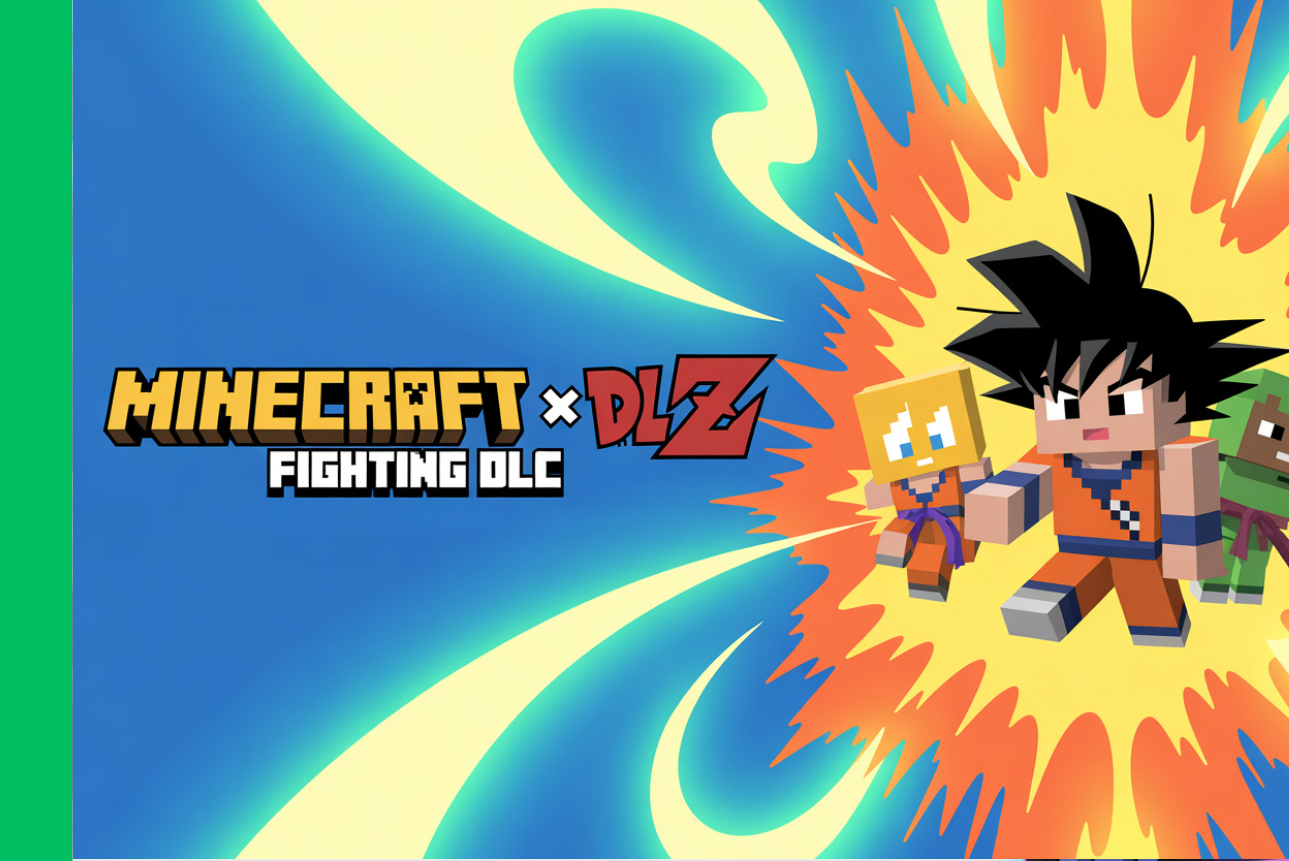
    Minecraft has stepped into new territory with its surprise Dragon Ball Z crossover, introducing a full-blown fighting-game style DLC complete with 1v1, 5v5, and co-op combat modes, voxelized versions of iconic characters, and themed skins available for the base game. For a franchise known for its creative sandbox roots, this collaboration pushes the boundaries of what Minecraft content can be — and signals major shifts in how Mojang is expanding the game’s ecosystem.


    A Closer Look at the Minecraft × Dragon Ball Z Crossover

    A Fighting Game Inside Minecraft

    The new DLC doesn’t just add skins or cosmetic flair — it introduces mechanics inspired by traditional fighting games, letting players team up or battle head-to-head in structured match modes. This includes:

    • 1v1 duels between players or AI
    • 5v5 team battles
    • Co-op modes against themed enemies
    • Voxelized DBZ characters, including Goku, Vegeta, Piccolo, and more

    These features make the DLC feel like a game-within-a-game, showcasing how flexible Minecraft’s engine and marketplace content have become.

    Skins and Main-Game Integration

    In addition to the standalone fighting experience, players get Dragon Ball–themed skins usable in regular Minecraft worlds. This bridges both sides of the player experience — competitive and creative — blending the DBZ aesthetic with traditional sandbox play.


    Why This Crossover Matters for Minecraft’s Ecosystem

    1. Minecraft Is Evolving Beyond a Pure Sandbox Game

    This crossover is a clear sign that Minecraft is becoming a multi-genre platform, not just a building game. By delivering a structured fighting experience, Mojang and marketplace creators are proving that Minecraft can host:

    • Action games
    • Adventure campaigns
    • Mini-MMOs
    • RPG-style content
    • And now, fighting games

    This expands the potential audience and diversifies how players engage with the game.

    2. It Highlights the Growing Power of the Marketplace

    Marketplace content has always been part of Minecraft, but collaborations like this elevate it to a new level. The DBZ DLC demonstrates that:

    • Licensed content can deliver fully developed gameplay modes
    • Marketplace creators can collaborate with major brands
    • High-value add-ons are becoming more common

    As Minecraft evolves toward a more “live service” model, these premium packs could become central to its long-term revenue and player retention strategy.

    3. It Brings New Audiences Into the Minecraft Universe

    Dragon Ball Z remains a global powerhouse, and crossovers with anime IPs introduce Minecraft to:

    • Younger anime fans
    • Older DBZ fans exploring the game through nostalgia
    • Players drawn by action-focused gameplay they didn’t know Minecraft could offer

    This cross-pollination strengthens both communities and expands Minecraft’s cultural footprint.

    4. It Sets a Template for Future High-Profile Collaborations

    If the DBZ DLC performs well, expect more partnerships with major media brands. Future crossovers may explore:

    • Other anime universes
    • Film franchises
    • Superhero IPs
    • Game-to-game collaborations

    Each new partnership builds the case for Minecraft as a flexible platform capable of delivering diverse, polished experiences.


    Potential Concerns — and Why They Likely Won’t Hold Minecraft Back

    While reactions are mostly positive, some concerns include:

    • Purists feeling the game is moving away from its original identity
    • Oversaturation of paid DLC
    • Marketplace fragmentation between Java and Bedrock editions

    However, Minecraft’s strength lies in its flexibility. Players who want pure sandbox play can ignore the content, while those seeking new experiences can enjoy high-production extras. The ecosystem is large enough to support both styles.


    What This Means for the Future of Minecraft

    This crossover suggests Minecraft is entering a new phase where:

    • Complex gameplay modes sit alongside the core sandbox
    • Marketplace releases become more ambitious
    • Cross-brand collaborations bring in new players
    • Minecraft evolves not just as a game, but as a game platform

    As Mojang continues expanding the game through frequent themed drops, licensed DLCs, and experimental mechanics, Minecraft is positioning itself for long-term cultural relevance far beyond its original survival-and-building roots.


    Conclusion

    The Dragon Ball Z crossover marks one of the most surprising and exciting shifts in Minecraft’s recent history. By embracing a fully featured fighting-game experience, Mojang is signaling that Minecraft is bigger, more flexible, and more ambitious than ever. Whether you’re a builder, fighter, explorer, or just an anime fan, this collaboration reflects a bold new era for the game.

    Question for readers: Would you like to see more major franchises collaborate with Minecraft — and if so, which universe should be next?

  • What’s New in Minecraft: The ‘Mounts of Mayhem’ Update & More

    What’s New in Minecraft: The ‘Mounts of Mayhem’ Update & More

    Introduction

    Even after more than a decade, Minecraft continues to evolve in surprising ways. With the recent announcements from Mojang Studios, the game is branching into new directions — from desert-biome challenges to deeper modding support. Here’s a breakdown of what’s new, why it matters, and what it could mean for the world of Minecraft building and survival.


    What’s New: Key Highlights

    • Desert-Based Mobs & Mount Enhancements

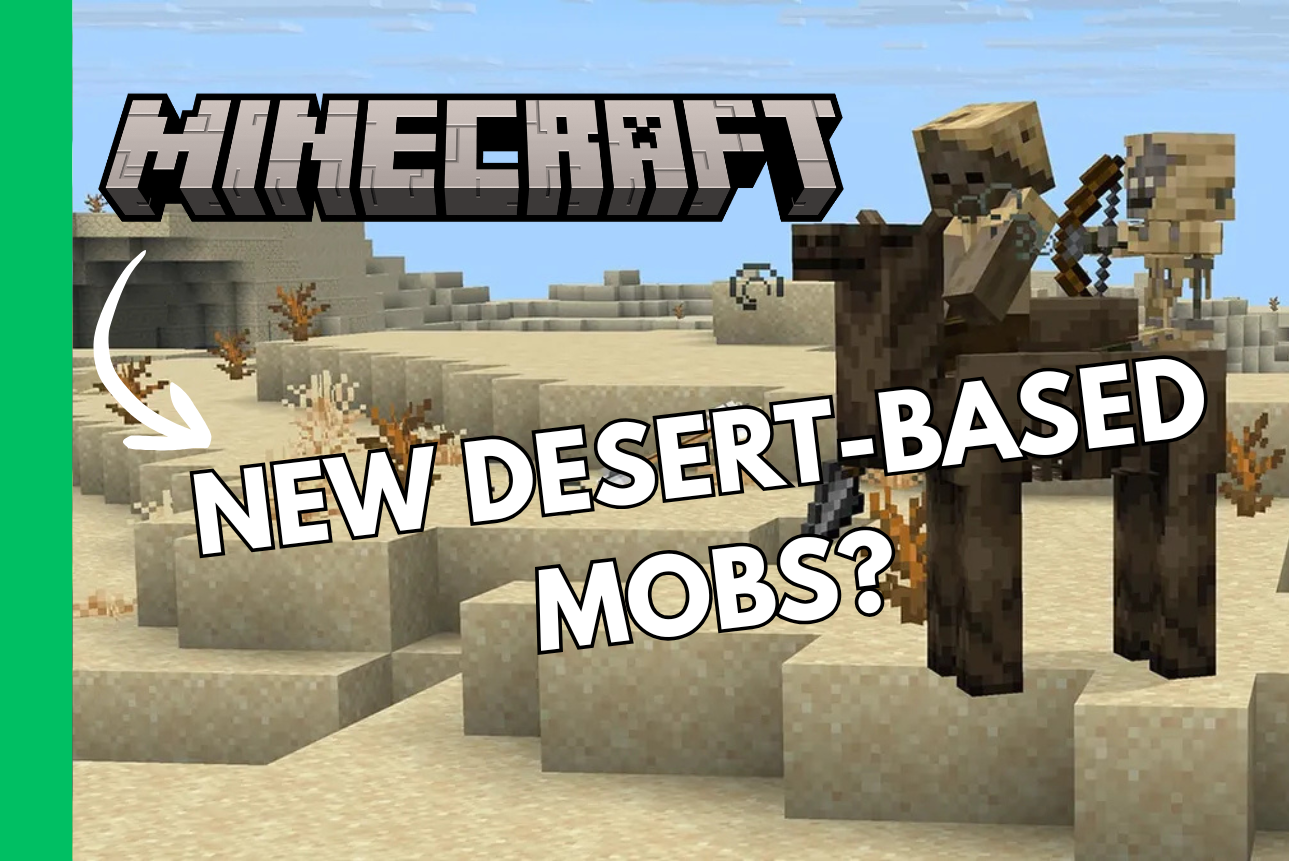
    In the upcoming update titled “Mounts of Mayhem”, Mojang revealed two fresh desert mobs: the Camel Husk (an undead camel mount-type creature) and the Parched (a skeleton variant that does not burn in daylight). GamesRadar++1
    Additionally: all mounts — not just aquatic ones — will gain the ability to swim (albeit more slowly), significantly improving travel across water bodies. PC Gamer+1
    These features are already available in the Java Edition snapshot; Bedrock previews are forthcoming. GamesRadar++2PCGamesN+2

    • Modding Support Gets a Boost

    In a major move for creators, Mojang is finally making more of Minecraft: Java Edition’s code accessible — aiming to “make it quicker and easier for modders to create and improve mods.” GamesRadar+
    This signals a renewed push toward community-driven content, which could open new possibilities in custom maps, behaviours, and gameplay mechanics.

    • Update Timeline & Naming

    While a definitive release date isn’t yet locked in, industry tracking suggests the “Mounts of Mayhem” drop is likely slated for December 2025. PCGamesN+1 Meanwhile, the ongoing build “The Copper Age” earlier introduced a host of smaller early-game and progression changes. Minecraft.net+1


    Why It Matters

    • Renewed Biome & Mobility Depth: The new desert mobs and swimming mounts breathe fresh life into terrains that many players have long considered “done” (like deserts or oceans). This can rejuvenate exploration and gameplay hours.
    • Creative Empowerment: By opening up more of the code for modders, Minecraft strengthens its ecosystem—encouraging innovation, custom modes, and community-led evolution rather than just developer-led updates.
    • Platform Parity & Engagement: Updating both Java and Bedrock editions (albeit slightly differently) shows Mojang’s commitment to unifying player bases, while still catering to the strengths of each version.

    What to Watch & What Could Happen Next

    • Snapshot Performance & Bugs: As ever with Minecraft updates, early snapshots may carry bugs or balance issues (especially with mounts swimming, new mobs). Players exploring them now should expect some rough edges.
    • Modding Tools & Community Uptake: How quickly modders take advantage of the opened code will be critical. Will we see entirely new mechanics (e.g., new movement types, mounts, biomes) within months?
    • Expansion of Mobility/World Mechanics: Swimming mounts and desert riders hint at larger mobility systems. Could this foreshadow more traversal overhauls (gliding, flying, advanced mounts) in future drops?
    • Desert Biome Revamp as Template: The focus on desert environments may prescribe how Mojang will approach revisiting “low-attention” biomes such as jungles, swamps or themes like underground worlds.

    Conclusion

    The upcoming “Mounts of Mayhem” update and the expanded modding support mark a refreshing chapter for Minecraft. Whether you’re a builder, explorer, modder or simply a longtime fan, there’s now more reason than ever to revisit the game and look ahead. The world of blocks is shifting — and it might just get a little wilder.

  • Minecraft Movie Sequel Announced: What It Means for the Game and Its Fans

    Minecraft Movie Sequel Announced: What It Means for the Game and Its Fans


    Introduction

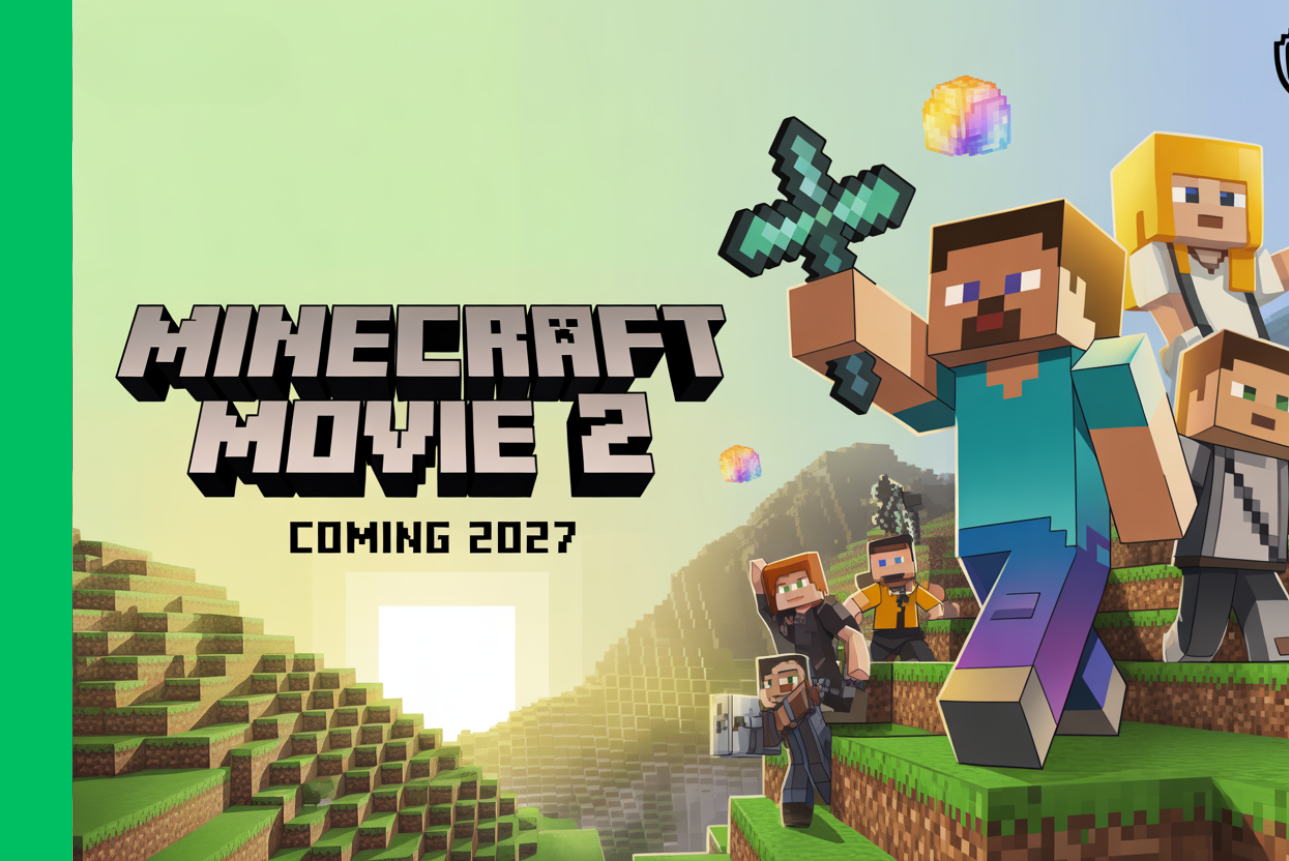
    For over a decade, Minecraft has been more than a game — it’s a cultural ecosystem. From YouTube creators to classroom projects, it has evolved into a global creative platform. Now, the Minecraft Movie is set to return with a sequel slated for 2027, giving fans another chance to see their blocky world come to life on the big screen.

    But beyond the cinematic excitement, this sequel raises an intriguing question: what does a Minecraft movie mean for the game itself?


    A Sequel Years in the Making

    The first Minecraft Movie, released in 2025 by Warner Bros. and Mojang Studios, surprised many by capturing the charm of the game’s creativity and humor. Despite mixed reviews, it performed well at the box office and brought Minecraft’s whimsical tone to a broader audience — especially families unfamiliar with the sandbox experience.

    Now, the sequel is officially in production, with reports confirming a targeted 2027 release. According to AP News and People, Mojang aims to expand the Minecraft cinematic universe, possibly introducing new characters and exploring deeper storytelling rather than simple fan service.


    The Challenge of Adapting Minecraft’s Open World

    Minecraft has no traditional narrative — no fixed protagonist, no predetermined goal. That’s both its magic and its greatest adaptation challenge. Translating an open-ended, player-driven world into a structured film story demands creativity without losing authenticity.

    The first film succeeded by focusing on themes of imagination, exploration, and community, the same values that drive the game itself. The sequel will need to evolve those ideas, potentially exploring:

    • The contrast between player freedom and structured storytelling.
    • The symbolism of creation vs. destruction, core to Minecraft’s gameplay.
    • The multiplayer dynamic, a key part of Minecraft culture often missing in film portrayals.

    Handled well, this could elevate the sequel from simple entertainment to a genuine reflection on creativity in gaming.


    Cross-Promotion and Game Impact

    Whenever a major movie ties into a game, players expect crossovers — and Mojang knows how to deliver. The Minecraft team has already shown its willingness to bridge media, with in-game content drops inspired by other franchises and events.

    Expectations for a Minecraft Movie-themed update or DLC are high. Possible in-game collaborations might include:

    • Exclusive character skins or cosmetic packs from the movie.
    • A limited-time adventure map recreating scenes from the film.
    • Behind-the-scenes creative challenges for the community to build movie-inspired sets.

    This synergy would help reignite interest among lapsed players and bring new audiences — especially kids introduced to Minecraft through the movie — into the game ecosystem.


    The Bigger Picture: Expanding the Minecraft IP

    For Microsoft and Mojang, this sequel is more than a film — it’s a franchise strategy. In an era when gaming IPs like The Last of Us, Sonic the Hedgehog, and Super Mario Bros. are thriving in Hollywood, Minecraft represents a valuable creative property.

    The difference is that Minecraft isn’t about scripted heroism — it’s about player expression. By expanding into film, Mojang is showing that the world of Minecraft can host many kinds of stories, not just gameplay. That could open the door to:

    • Future spin-offs (animated series, shorts, or even documentaries about the community).
    • Educational partnerships, using the film to boost Minecraft: Education Edition.
    • Expanded merchandise lines, from LEGO sets to books tied to movie lore.

    Conclusion

    The upcoming Minecraft Movie sequel represents more than Hollywood hype — it’s a sign of how deeply gaming and storytelling now intertwine. For longtime players, it’s a chance to see their creative world on the big screen again. For new fans, it’s an invitation to build, explore, and imagine.

    Whether it becomes a cinematic hit or not, one thing is certain: Minecraft’s universe continues to grow, block by block, beyond the boundaries of the game itself.

  • Why Minecraft’s Design Philosophy Is Changing — and What It Means for Players

    Why Minecraft’s Design Philosophy Is Changing — and What It Means for Players

    Mojang rethinks the balance between chaos and control in its ever-evolving sandbox


    Introduction

    Over a decade since its launch, Minecraft remains one of the most beloved games in history — a creative sandbox that has shaped generations of players. But in 2025, Mojang Studios, the developer behind the game, is taking a closer look at how it designs new features — and even questioning whether some of its most iconic elements, like the Creeper, would exist if the game were built today.

    This shift in design philosophy reveals how Minecraft is evolving from a game defined by random chaos to one guided by player control, fairness, and intentional challenge.


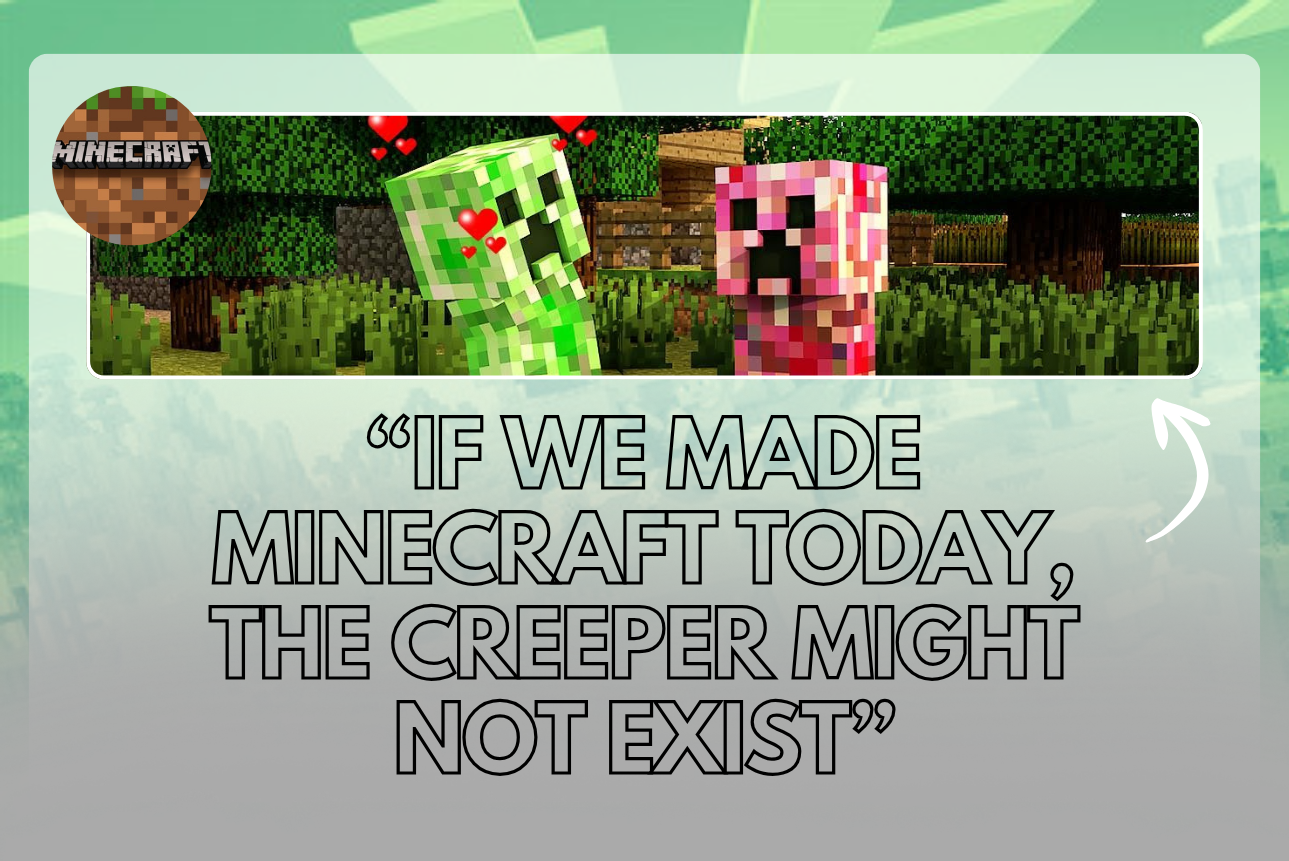
    “If We Made Minecraft Today, the Creeper Might Not Exist”

    In a recent interview, Mojang developers admitted that if Minecraft were created now, the Creeper — the green, hissing enemy famous for sneaking up and blowing up your builds — might not make the cut.

    Why? Because the Creeper represents a design approach Mojang no longer fully embraces. As Mojang CEO Helen Chiang put it, the studio now follows a guiding principle:

    “Bad things happen, but they’re technically the player’s fault.”

    This means modern Minecraft aims to avoid unfair or unpredictable punishment. If something goes wrong, it should stem from the player’s own choices — not from random events that destroy hours of work.


    A Shift Toward Player Agency and Fairness

    Minecraft’s newer updates reflect this evolving mindset. Instead of introducing mechanics that punish players unexpectedly, Mojang focuses on agency and intentional design. Players can now customize difficulty, manage hostile mob spawns, and control world rules through toggles and datapacks.

    The goal? To preserve Minecraft’s sense of wonder while making sure players feel responsible for their outcomes — whether that’s surviving a raid or accidentally flooding their base with lava.

    This change also aligns with trends in other long-running games. Studios are learning that players value transparency and control over surprise difficulty spikes or loss of progress. The emphasis on fairness helps Minecraft remain accessible to new audiences while keeping veteran players invested.


    The Broader Context: Evolution, Not Replacement

    This philosophical shift doesn’t mean Minecraft is losing its charm or danger. Creepers, lava, and deep caves aren’t going anywhere — they’re simply being contextualized differently.

    Future updates are expected to focus on:

    • Player-driven risk — situations where danger is a consequence of exploration or choice.
    • Customizable gameplay loops — letting players tailor how punishing or peaceful their world feels.
    • Collaborative play — emphasizing shared creativity over destructive randomness.

    Even the game’s recent snapshots, like Mounts of Mayhem, show Mojang expanding mechanics that empower the player — new ridable creatures, weapons like the spear, and mobility-focused enchantments all reinforce the idea of control through creativity.


    Why It Matters for Players

    This new direction means the Minecraft experience could soon feel more personalized and strategic. Players who enjoy creative building can maintain calm worlds, while those who thrive on chaos can push danger sliders higher.

    For younger or newer players, it makes Minecraft less punishing and more inviting. For veterans, it opens up deeper layers of challenge through deliberate choice — not luck or misfortune.

    Ultimately, Mojang’s evolving philosophy is about respecting player time and agency, ensuring every surprise feels earned rather than unfair.


    Looking Ahead

    With Minecraft still expanding across platforms — and a live-action Minecraft movie slated for 2027 — Mojang’s design rethink comes at a pivotal time. The studio is not just maintaining the game but preparing it for a new era of players and expectations.

    As technology, community, and creative standards evolve, Minecraft’s enduring success may depend less on random explosions and more on how it empowers every player to build their own stories — safely, fairly, and freely.


    Conclusion

    Minecraft’s changing philosophy isn’t about softening the game — it’s about modernizing it. By shifting from surprise punishment to fair, player-driven design, Mojang is ensuring that its sandbox remains as timeless as ever.

    The question now is: how far should player control go before it changes the essence of Minecraft itself?

  • After 14 Years, Minecraft’s “Far Lands or Bust” Journey Finally Reaches Its End

    After 14 Years, Minecraft’s “Far Lands or Bust” Journey Finally Reaches Its End

    It’s official — after more than 14 years of walking, YouTuber KurtJMac has finally reached the Far Lands, one of Minecraft’s most legendary and long-lost regions. His journey, which began in 2011, has now become one of the longest-running video game adventures ever completed — and it raised over $500,000 for charity along the way.


    What Are the Far Lands?

    For newer players, the Far Lands were a bizarre terrain glitch that appeared in the earliest versions of Minecraft. At extreme distances from the world’s spawn point, the game’s terrain generation would break down, creating warped landscapes and floating landmasses.

    They were removed in later updates, but for many veterans, the Far Lands represent a nostalgic piece of Minecraft’s early identity — a symbol of the game’s infinite potential (and its rough edges).

    KurtJMac decided back in March 2011 to make it his mission to reach them — without teleportation, mods, or cheats. Just walking. Step by step.


    The Journey of a Lifetime

    Over the years, Kurt turned his quest into a long-running series called “Far Lands or Bust.” The goal wasn’t just to reach the Far Lands, but to raise money for humanitarian causes.

    Streaming regularly, Kurt gradually trekked through tens of millions of in-game blocks — chatting with fans, sharing stories, and raising funds.

    By the time he reached the goal in October 2025, the series had:

    • Lasted 14½ years
    • Generated over $500,000 USD for charity
    • Built a dedicated global following of players and donors

    When he finally arrived at the edge — the glitching, floating terrain of the Far Lands — his livestream audience celebrated with him in real-time, marking an emotional end to one of gaming’s longest marathons.

    “I don’t think anyone thought this would actually happen,” Kurt said during the finale stream. “But here we are — and it’s been worth every block.”


    Why This Matters

    The story resonates far beyond the Minecraft community:

    • Dedication and patience: 14 years of consistent effort in a single save file is nearly unheard of.
    • Gaming for good: Turning a personal goal into a charity movement showcases how communities can make a real-world impact.
    • Preserving gaming history: Since the Far Lands no longer exist in current Minecraft versions, this is a farewell to a part of the game’s early magic.

    Even Mojang’s developers and long-time Minecraft creators have acknowledged Kurt’s achievement, calling it “one of the most remarkable journeys ever undertaken in a video game.”


    A Symbol of Minecraft’s Legacy

    As Minecraft continues to evolve with major updates — including the upcoming Copper Age expansion — stories like this remind players where it all began. The Far Lands were never meant to be reached, yet they became one of the most iconic myths in gaming.

    By reaching them after more than a decade, KurtJMac has effectively closed a chapter in Minecraft’s living history — one built not by developers, but by the players themselves.

  • Minecraft in October 2025: The Copper Era, AI Wonders & Crossover Buzz

    Minecraft in October 2025: The Copper Era, AI Wonders & Crossover Buzz

    Minecraft continues to evolve, and the stories making waves this month reflect both the game’s creative spirit and how its community pushes boundaries. From new updates to jaw-dropping player engineering and exciting collaborations, here’s what’s new in the blocky world.


    The Copper Age Update Rolls Out Globally

    After anticipation and teasers, the Copper Age update (version 1.21.9) is now live across Java, Bedrock, and Nintendo Switch editions. GAM3S.GG+3The Times of India+3Windows Central+3

    What It Brings

    • Copper Tools, Weapons & Armor: Copper is no longer purely decorative. The new gear tier sits between stone and iron in durability and utility. PC Gamer+2Minecraft.net+2
    • Copper Golems & Smart Storage: These mechanical companions help with sorting items from copper chests into nearby inventories. They can oxidize over time (becoming statues) unless maintained or waxed. GAM3S.GG+3Windows Central+3PC Gamer+3
    • Decor & Mechanical Blocks: Shelves, copper decor elements (lanterns, bars, chains), powered shelf systems for swapping items—all blending aesthetic and function. Windows Central+4Minecraft.net+4Windows Central+4
    • Oxidation & Waxing Mechanics: Just like copper blocks, many of the new elements age over time—requiring wax or tools to preserve or revert their state. Windows Central+3Windows Central+3PC Gamer+3
    • The Copper Cape Quest: A community challenge to unlock a special cape reward by summoning a massive number of copper golems within a set timeframe. Minecraft.net

    For Switch players, the update already landed, bringing these same copper features to portable play. GAM3S.GG


    CraftGPT: AI in Minecraft, Built Block by Block

    One of the most jaw-dropping recent developments comes from a player named Sammyuri, who built a conversational AI entirely within Minecraft using 439 million Redstone blocks and no commands or data-packs. Diario AS

    The so-called CraftGPT implements a 5 million-parameter language model with tokenizers, matrix operations, and more—though it responds extremely slowly (sometimes hours per reply). Diario AS

    While not practical for everyday play, it’s a striking demonstration of what players can do when creativity and technical ambition intersect in Minecraft.


    Mounts of Mayhem: What’s Next

    During Minecraft LIVE 2025, Mojang revealed the next big “game drop” titled Mounts of Mayhem, expected in late 2025 (likely December). Windows Central+3Windows Central+3Minecraft.net+3

    Some teased features include:

    • Rideable Nautilus: An underwater mount that halts oxygen depletion while riding it. Taming via pufferfish is planned. Windows Central+2Minecraft.net+2
    • Spear Weapon: A new tiered melee option with charge attacks and speed-based damage interplay—also useful for jousting. Minecraft.net+2PCGamesN+2
    • Mounted Zombie Enemies: Zombies riding zombie horses, wielding spears—adding new night-time threats. Windows Central+2PCGamesN+2

    Players can already test parts of these in previews and snapshots. PCGamesN+1


    Dragon Ball Z Crossover Hits Bedrock Edition

    Minecraft is crossing over with Dragon Ball Z—the announcement came during Minecraft LIVE. The Times of India

    This DLC, exclusive to Bedrock Edition, will bring Z-universe content into Minecraft: iconic characters, powers, themed environments, and quests inspired by DBZ lore. The Times of India

    The crossover is generating buzz, especially among anime/gaming crossover fans.


    Why It All Matters

    • The Copper Age update shifts copper from a novelty to a meaningful resource, reshaping how early-game progression works.
    • CraftGPT reminds us that Minecraft is not just a game—it’s a platform for creativity, engineering, and experimentation.
    • Mounts of Mayhem promises to deepen traversal and combat dynamics in both land and underwater environments.
    • The DBZ crossover underscores Minecraft’s open canvas: the game easily adapts to themed expansions and crossovers.
  • Copper, Visual Upgrades & VR Farewell: What’s New in Minecraft (2025)

    Copper, Visual Upgrades & VR Farewell: What’s New in Minecraft (2025)

    Introduction

    Minecraft remains one of the most influential games in the world, and 2025 shows why. More than a decade after its release, Mojang continues to expand the sandbox with new mechanics, graphical enhancements, and evolving technical decisions. The latest developments include the Copper Age update, a major step toward more advanced crafting and storage; the long-awaited Vibrant Visuals refresh; and the surprising decision to end official VR support. Together, these moves highlight both the challenges and opportunities of keeping a game fresh without losing its core identity.


    The Copper Age Update

    The most prominent addition this year is the Copper Age, the third major “game drop” of 2025. This update expands copper’s role far beyond its earlier decorative use, introducing tools, storage systems, and new utility mobs.

    Key features include:

    • Copper Tools & Weapons: A full set of copper gear—pickaxes, swords, and more—bridging the gap between stone and iron.
    • Copper Golems: Helpful allies that interact with copper chests, organizing items automatically. Players can also switch them into statue mode with four distinct poses.
    • Copper Chests & Pipes: New storage mechanics that allow for more complex item management.

    The Copper Age is currently available in Java snapshots and Bedrock betas, giving players a chance to test features before they become part of the stable release. Mojang has been rolling out incremental pre-releases, addressing performance issues (such as lag caused by golems) and fine-tuning user interface elements.

    This approach reflects a broader trend in Minecraft development: content is introduced gradually, refined with community feedback, and polished for long-term integration.


    Vibrant Visuals: A New Look for Minecraft

    For years, fans have debated whether Minecraft should evolve visually without losing its blocky charm. In 2025, Mojang answered with Vibrant Visuals, a graphical update announced at Minecraft Live.

    The update introduces:

    • Improved Textures with richer detail.
    • Directional Lighting for more realistic shadows.
    • Volumetric Fog and Reflections that add depth and atmosphere.

    Importantly, Vibrant Visuals is optional. Players can toggle it on or off, ensuring older hardware and classic gameplay styles remain supported. The update will first arrive on Bedrock Edition for modern consoles and PCs, with Java Edition support to follow.

    By modernizing its look while preserving accessibility, Mojang is signaling a long-term commitment to keeping Minecraft relevant in a gaming landscape defined by high-fidelity visuals.


    Farewell to VR Support

    In contrast to expansion, Mojang also announced a contraction: the end of official VR and mixed reality support. As of the 1.21.80 Bedrock update, Minecraft no longer supports VR devices.

    The decision was framed as a resource choice. Maintaining VR compatibility across multiple platforms required ongoing development that Mojang could no longer justify. While this disappointed a segment of the community, alternatives remain. Modding projects such as Vivecraft (for Java Edition) and QuestCraft (for Meta Quest devices) continue to offer unofficial VR access.

    This marks a shift in Mojang’s priorities—focusing on updates that benefit the largest share of players rather than sustaining niche features.


    Minecraft as a Platform for Learning and Research

    Beyond its updates, Minecraft is increasingly used as a platform outside of entertainment. In education, Minecraft Education Edition has introduced new content that teaches students about AI risks through interactive, story-driven scenarios. Meanwhile, research teams continue to use the game as a testing ground for AI agents that learn to plan, build, and solve problems in open-ended environments.

    This dual identity—both as a commercial game and as a research sandbox—reinforces Minecraft’s cultural and technological significance.


    Outlook: What’s Next for Minecraft?

    Looking ahead, several themes are emerging:

    • Expansion of Copper Age Features: Testing suggests that copper golems and chests may evolve with more functionality.
    • Visual Modernization: Vibrant Visuals could pave the way for further graphical options while keeping the core style intact.
    • Community Engagement: As with past updates, feedback from snapshots and betas will shape the final release.
    • Minecraft Live 2025: Scheduled for late September, this event is expected to reveal the next stage of Mojang’s roadmap.

    Conclusion

    Minecraft’s 2025 updates demonstrate a careful balance between innovation and stability. The Copper Age deepens gameplay, Vibrant Visuals modernizes presentation, and the end of VR support reflects strategic prioritization. Together, they show Mojang’s commitment to evolving Minecraft while respecting its foundations.

    As the game moves into its fifteenth year of active development, one question remains constant: how far can Minecraft continue to grow while staying true to its original vision?

  • Inside BuildTheEarth: Rebuilding the Entire Planet in Minecraft

    Inside BuildTheEarth: Rebuilding the Entire Planet in Minecraft

    In March 2020, a YouTuber named PippenFTS launched an ambitious idea: rebuild the entire planet Earth, at 1:1 scale, inside Minecraft. What began as a bold experiment has since grown into BuildTheEarth (BTE), a worldwide collaboration that unites thousands of gamers under one digital mission—to replicate cities, landmarks, and landscapes block by block.


    How It Works

    The project is organized into regional teams—cities, countries, or continents—where builders apply, showcase their work, and then claim plots of land to recreate. Progress is carefully coordinated, ensuring landmarks and skylines are placed as accurately as possible.

    To make Earth fit inside Minecraft, builders rely on map projections. After early experiments with the Mercator projection caused distortion, BTE shifted toward a Dymaxion projection, which reduces warping of landmasses (though oceans remain somewhat distorted).

    Tools and mods also play a crucial role:

    • Terra++ and similar mods help generate realistic terrain.
    • OpenCubicChunks originally removed vertical height limits, though newer Minecraft updates (1.18+) have made this less necessary.
    • Builders use Google Earth and GIS data to align structures with real-world coordinates.

    Highlights and Achievements

    Despite the daunting scope, progress is real and often spectacular.

    • Independence Hall, Philadelphia: A global team completed the Hall, Visitor Center, and Liberty Bell Center in just two months, celebrating with a virtual July 4th fireworks show inside Minecraft.
    • New York City: The NYC build is one of the largest undertakings, with an estimated 22% of the city completed, including financial districts and iconic landmarks.
    • Spain’s Cities: From Madrid’s Plaza Castilla towers to Málaga, Almería, and Gibraltar, builders are steadily shaping the Iberian Peninsula.
    • Educational Uses: Schools in Israel, Argentina, and Chile are using BTE builds to teach geography and mapping. In other cases, communities use the project to preserve lost villages or honor disaster-struck places.
    • Recognition: The Guinness World Records organization has acknowledged BTE as one of the largest collaborative Minecraft projects ever.

    Challenges Along the Way

    Recreating Earth at full scale isn’t without obstacles:

    • Sheer scale: Even with thousands of participants, the world is vast, and full completion could take decades.
    • Coordination hurdles: Builders span time zones, languages, and skill levels, making collaboration complex.
    • Game limitations: Terrain accuracy sometimes requires compromises, and while exteriors are prioritized, interiors are usually reserved for major public spaces.

    Still, the momentum continues—fueled by the creativity and dedication of a passionate community.


    Why BuildTheEarth Matters

    What could easily be dismissed as “just a Minecraft project” has become something much larger:

    • A tool for education and cultural preservation.
    • A showcase of what online collaboration can achieve.
    • A reminder of how gaming communities can channel passion into something monumental.

    While the project may never truly be “finished,” its progress demonstrates the power of shared creativity on a global scale.


    Conclusion

    BuildTheEarth is more than an ambitious Minecraft challenge—it’s a digital monument to our planet. Whether it’s serving classrooms, preserving memories, or simply letting players wander through a familiar cityscape in blocky form, the project continues to inspire.

    The question isn’t whether Earth will ever be fully built in Minecraft, but rather how far collaboration and imagination can take us along the way.