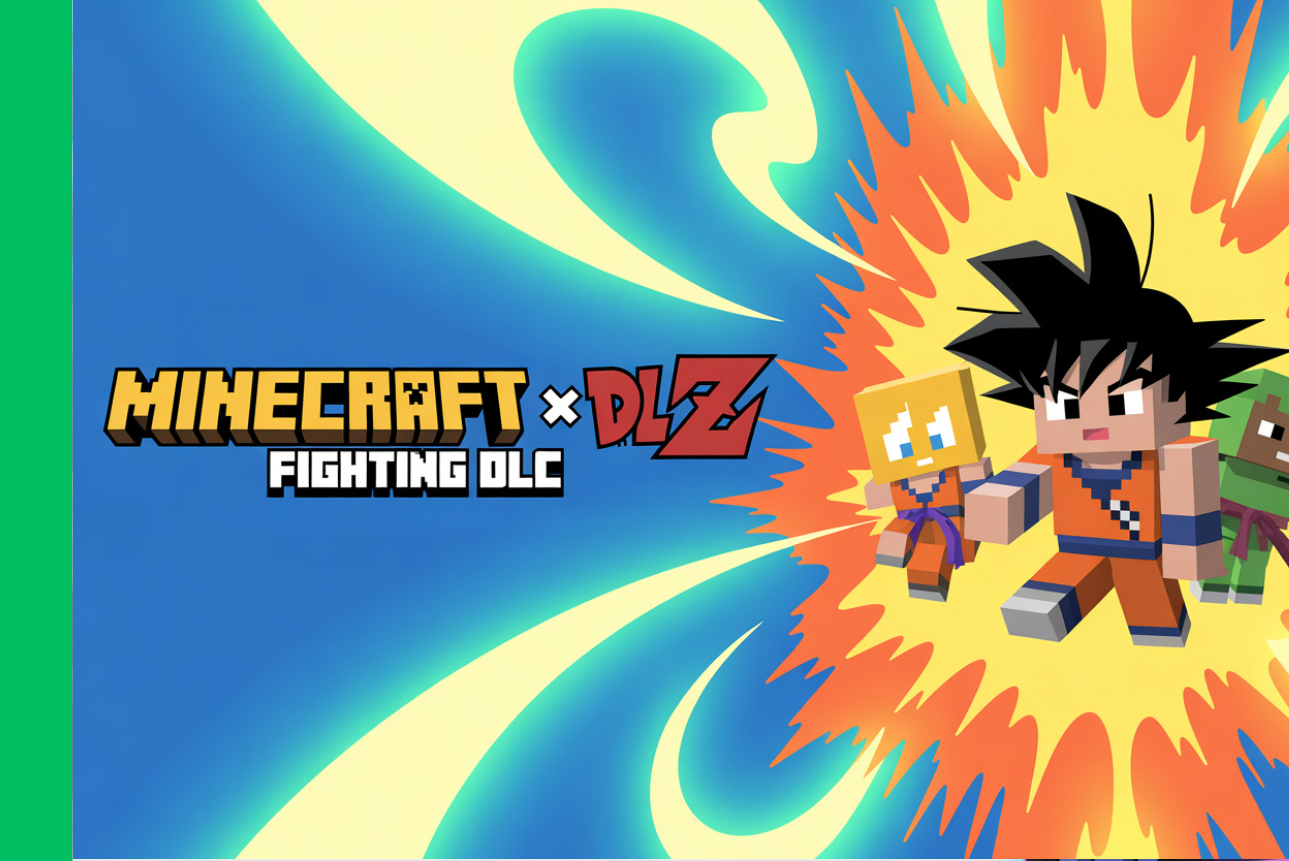
Minecraft has stepped into new territory with its surprise Dragon Ball Z crossover, introducing a full-blown fighting-game style DLC complete with 1v1, 5v5, and co-op combat modes, voxelized versions of iconic characters, and themed skins available for the base game. For a franchise known for its creative sandbox roots, this collaboration pushes the boundaries of what Minecraft content can be — and signals major shifts in how Mojang is expanding the game’s ecosystem.
A Closer Look at the Minecraft × Dragon Ball Z Crossover
A Fighting Game Inside Minecraft
The new DLC doesn’t just add skins or cosmetic flair — it introduces mechanics inspired by traditional fighting games, letting players team up or battle head-to-head in structured match modes. This includes:
- 1v1 duels between players or AI
- 5v5 team battles
- Co-op modes against themed enemies
- Voxelized DBZ characters, including Goku, Vegeta, Piccolo, and more
These features make the DLC feel like a game-within-a-game, showcasing how flexible Minecraft’s engine and marketplace content have become.
Skins and Main-Game Integration
In addition to the standalone fighting experience, players get Dragon Ball–themed skins usable in regular Minecraft worlds. This bridges both sides of the player experience — competitive and creative — blending the DBZ aesthetic with traditional sandbox play.
Why This Crossover Matters for Minecraft’s Ecosystem
1. Minecraft Is Evolving Beyond a Pure Sandbox Game
This crossover is a clear sign that Minecraft is becoming a multi-genre platform, not just a building game. By delivering a structured fighting experience, Mojang and marketplace creators are proving that Minecraft can host:
- Action games
- Adventure campaigns
- Mini-MMOs
- RPG-style content
- And now, fighting games
This expands the potential audience and diversifies how players engage with the game.
2. It Highlights the Growing Power of the Marketplace
Marketplace content has always been part of Minecraft, but collaborations like this elevate it to a new level. The DBZ DLC demonstrates that:
- Licensed content can deliver fully developed gameplay modes
- Marketplace creators can collaborate with major brands
- High-value add-ons are becoming more common
As Minecraft evolves toward a more “live service” model, these premium packs could become central to its long-term revenue and player retention strategy.
3. It Brings New Audiences Into the Minecraft Universe
Dragon Ball Z remains a global powerhouse, and crossovers with anime IPs introduce Minecraft to:
- Younger anime fans
- Older DBZ fans exploring the game through nostalgia
- Players drawn by action-focused gameplay they didn’t know Minecraft could offer
This cross-pollination strengthens both communities and expands Minecraft’s cultural footprint.
4. It Sets a Template for Future High-Profile Collaborations
If the DBZ DLC performs well, expect more partnerships with major media brands. Future crossovers may explore:
- Other anime universes
- Film franchises
- Superhero IPs
- Game-to-game collaborations
Each new partnership builds the case for Minecraft as a flexible platform capable of delivering diverse, polished experiences.
Potential Concerns — and Why They Likely Won’t Hold Minecraft Back
While reactions are mostly positive, some concerns include:
- Purists feeling the game is moving away from its original identity
- Oversaturation of paid DLC
- Marketplace fragmentation between Java and Bedrock editions
However, Minecraft’s strength lies in its flexibility. Players who want pure sandbox play can ignore the content, while those seeking new experiences can enjoy high-production extras. The ecosystem is large enough to support both styles.
What This Means for the Future of Minecraft
This crossover suggests Minecraft is entering a new phase where:
- Complex gameplay modes sit alongside the core sandbox
- Marketplace releases become more ambitious
- Cross-brand collaborations bring in new players
- Minecraft evolves not just as a game, but as a game platform
As Mojang continues expanding the game through frequent themed drops, licensed DLCs, and experimental mechanics, Minecraft is positioning itself for long-term cultural relevance far beyond its original survival-and-building roots.
Conclusion
The Dragon Ball Z crossover marks one of the most surprising and exciting shifts in Minecraft’s recent history. By embracing a fully featured fighting-game experience, Mojang is signaling that Minecraft is bigger, more flexible, and more ambitious than ever. Whether you’re a builder, fighter, explorer, or just an anime fan, this collaboration reflects a bold new era for the game.
Question for readers: Would you like to see more major franchises collaborate with Minecraft — and if so, which universe should be next?
Leave a Reply