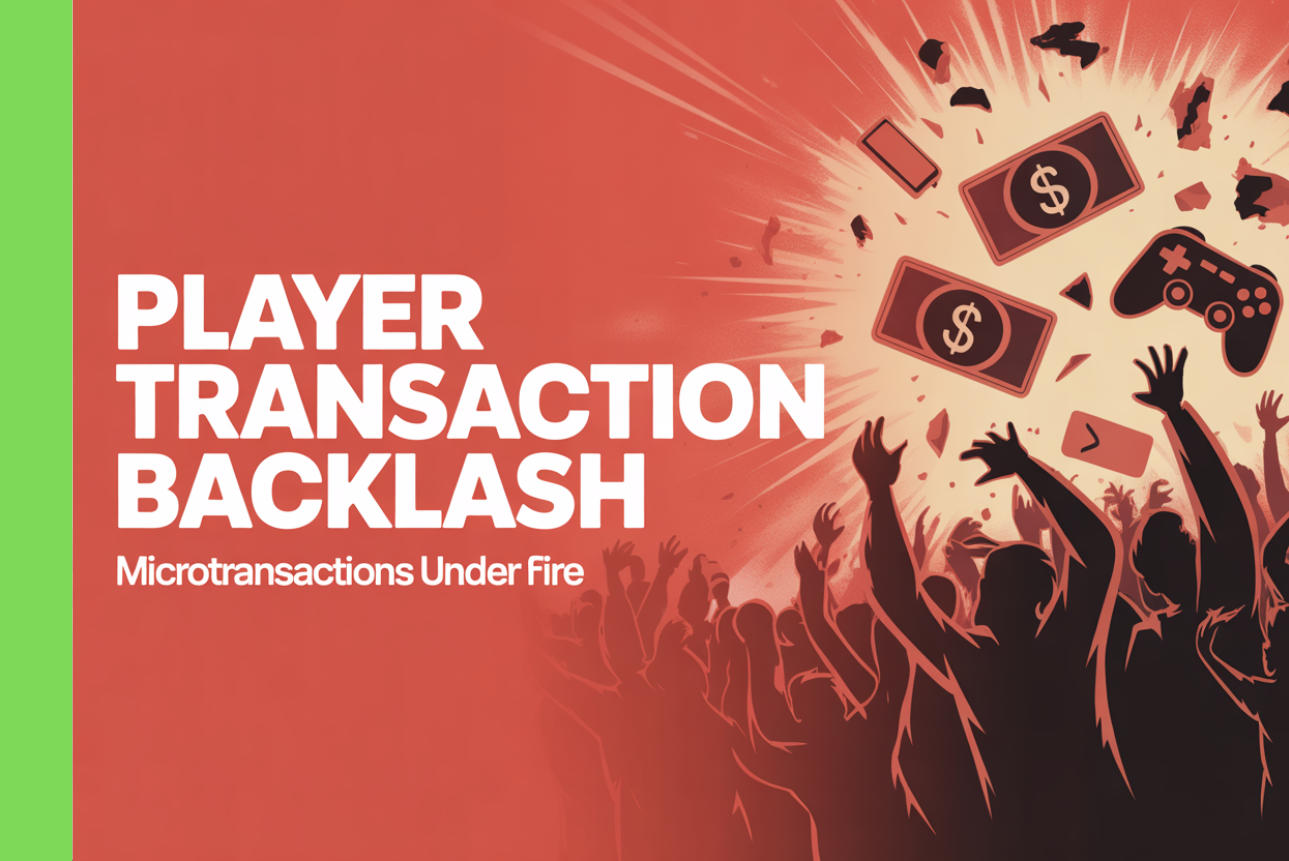
The gaming industry has long relied on microtransactions — those small, optional purchases for in-game items, skins, or boosts — to generate massive profits. What started as a convenience-based model has, for many, turned into a frustration point. But in 2025, signs suggest that players are finally drawing a line.
The Rise of Microtransactions
When microtransactions first appeared in mainstream gaming in the late 2000s, they were seen as harmless additions: a way to support free-to-play titles or extend a game’s life. Over time, however, they became central to the business model. Major publishers like Electronic Arts, Ubisoft, and Activision Blizzard began incorporating monetization into nearly every genre — from shooters to sports simulations.
By the 2010s, the phrase “pay-to-win” entered the gamer’s vocabulary, describing systems where those who spent more money gained unfair advantages. Loot boxes, randomized cosmetic rewards, and premium currencies blurred the line between entertainment and gambling.
The Player Pushback
In recent years, a cultural shift has emerged. Gamers are becoming more vocal, coordinated, and unwilling to accept aggressive monetization. Social media campaigns, review bombing, and organized boycotts have pressured companies to rethink their approach. The EA “Battlefront II” controversy in 2017 — which led to the temporary removal of loot boxes — is often cited as the moment the backlash began.
Fast forward to today: Overwatch 2, NBA 2K, and FIFA Ultimate Team continue to face community criticism for their heavy reliance on monetized progression. Meanwhile, indie and mid-sized developers are leaning into the backlash, promoting their games as microtransaction-free experiences, winning players’ trust in the process.
The Industry’s Response
Publishers are beginning to take notice. Some studios are experimenting with more transparent systems, such as battle passes or direct-purchase cosmetics, which give players clearer control over what they’re buying. Others are integrating monetization in ways that don’t affect gameplay balance — cosmetic-only items, season passes, or optional DLC expansions.
At the same time, legislators and regulators in regions like the EU and the U.S. are increasingly scrutinizing loot box mechanics as potential forms of gambling. This external pressure is accelerating the industry’s move toward fairer models.
A Shift Toward Value and Transparency
The growing backlash has also reignited discussions about value. Gamers are showing a willingness to pay more upfront for complete experiences — as long as they feel respected. Titles like Baldur’s Gate 3, Elden Ring, and Hades II have proven that quality-driven design can outperform monetization-heavy models, both critically and commercially.
Developers who prioritize player trust are finding long-term success, while those who prioritize short-term profit risk alienating their audience. This cultural realignment may define the next decade of gaming economics.
Conclusion
Microtransactions are unlikely to disappear completely — they’re too profitable for studios to abandon entirely. But the power dynamic is shifting. As players demand transparency, fairness, and respect for their time and money, publishers are being forced to adapt.
The question isn’t whether microtransactions will survive — it’s whether gamers will continue to let them thrive.
Leave a Reply