Tag: Gaming Industry Analysis

  • Why Big Game Franchises Are Releasing Fewer New Games

    Why Big Game Franchises Are Releasing Fewer New Games

    For much of gaming history, major franchises released new entries every one to three years. Today, that rhythm has slowed dramatically. Some of the biggest brands in the industry now go half a decade—or longer—between major releases.

    This shift isn’t accidental. It reflects deeper changes in how games are made, funded, and sustained.

    So why are big game franchises releasing fewer new games?


    Quick Answer

    Big game franchises are releasing fewer new games because development costs, production timelines, and financial risk have increased dramatically.
    Publishers now prioritise longevity, live-service monetisation, and brand stability over frequent sequels, making fewer but larger releases the safer business strategy.


    The End of the Fast Sequel Era

    In the 2000s and early 2010s, franchises like Assassin’s Creed, Call of Duty, and GTA released new titles at a rapid pace. Smaller teams, simpler technology, and lower expectations made that possible.

    Today, AAA development looks very different.

    Mini-summary: What once took two years can now take seven.


    1. Development Cycles Have Grown Exponentially

    Modern AAA games often require:

    • 5–8 years of development
    • Hundreds or thousands of developers
    • Multiple studios across continents

    As visual fidelity, animation quality, and world complexity increase, iteration slows and risk rises. Releasing games more frequently is no longer feasible without compromising quality.

    This is why franchises like Grand Theft Auto and The Elder Scrolls now operate on decade-long timelines.


    2. Budgets Are Too High to Fail

    Many modern AAA games now cost $150–300 million before marketing. At that scale:

    • One underperforming release can destabilise a studio
    • Publishers become more risk-averse
    • Fewer projects are greenlit overall

    Instead of releasing multiple mid-scale entries, companies bet everything on fewer blockbuster launches.

    Mini-summary: Fewer games, but each one carries enormous pressure.


    3. Live-Service Models Replace Sequels

    Rather than releasing new games, many franchises now extend a single title for years.

    Examples include:

    • Ongoing updates instead of sequels
    • Seasonal content replacing expansions
    • Monetisation spread across long timelines

    Games like Fortnite, GTA Online, and Destiny 2 show how one platform can generate revenue longer than multiple traditional releases.

    From a business perspective, this is safer than launching something new.


    4. Player Expectations Have Changed

    Modern players expect:

    • Bug-free launches
    • Massive worlds
    • Ongoing post-launch support
    • Regular updates and fixes

    Rushed sequels are punished quickly. Social media, streaming, and review cycles amplify every flaw, making publishers cautious about releasing games before they are “ready.”


    5. Franchises Are Becoming Platforms, Not Products

    Many major franchises are no longer treated as standalone games. They are:

    • Long-term ecosystems
    • Monetisation platforms
    • Brand pillars for publishers

    This is especially true for franchises owned by companies like Electronic Arts, Ubisoft, and Activision.

    When a franchise becomes a platform, frequent sequels become unnecessary—and sometimes harmful.


    6. Fewer New Entries, More Remakes and Remasters

    Instead of new games, publishers increasingly release:

    • Remakes
    • Remasters
    • Definitive editions

    These projects:

    • Cost less
    • Carry less risk
    • Leverage existing brand awareness

    This helps maintain visibility while larger projects remain in development.


    7. Internal Studio Changes Matter Too

    Many studios have also:

    • Reduced crunch culture
    • Improved work-life balance
    • Rebuilt pipelines after layoffs or restructuring

    These changes are positive, but they extend timelines and reduce output.

    Mini-summary: Healthier development often means slower releases.


    What This Means for Players

    What Players Gain

    • More polished releases
    • Longer support cycles
    • Deeper post-launch content

    What Players Lose

    • Fewer new entries
    • Longer waits between sequels
    • Less experimentation in major franchises

    What This Means for the Industry

    Likely Going Forward

    • Fewer AAA releases per franchise
    • Larger gaps between sequels
    • More live-service and platform-style games

    Less Likely

    • Annual releases across most franchises
    • Rapid sequel turnarounds
    • Frequent reinvention of core brands

    Final Verdict

    Big game franchises are releasing fewer new games because the economics of AAA development have fundamentally changed. Rising costs, longer timelines, and higher risk have pushed publishers toward safer, slower, and more sustained strategies. While this means longer waits for players, it also reflects an industry adapting to its own scale.

    The era of frequent sequels isn’t over—but it’s no longer the default.


    Frequently Asked Questions

    Are fewer games being made overall?
    At the AAA level, yes. At the indie level, output remains strong.

    Is this bad for players?
    Not necessarily. Fewer games often means more polished ones.

    Will annual franchises disappear completely?
    No, but they are becoming rarer and more conservative.

    Are live-service games replacing sequels?
    In many franchises, yes.
  • The AAA Budget Crisis: Why $200M Games Are Becoming Unsustainable

    The AAA Budget Crisis: Why $200M Games Are Becoming Unsustainable

    For more than a decade, the AAA games industry has chased scale. Bigger worlds, higher fidelity, cinematic storytelling, and global launches have pushed budgets into territory once reserved for Hollywood blockbusters. Today, it is no longer unusual for a major release to cost $150–300 million before marketing.

    But that model is starting to crack.

    Studios are laying off staff, publishers are cancelling projects, and even critically acclaimed games are being labeled “commercial disappointments.” The question is no longer whether AAA budgets are large — it’s whether they are still viable.


    Quick Answer

    $200M+ AAA game budgets are becoming unsustainable because development costs are rising faster than player spending and market growth.
    Longer production cycles, higher expectations, live-service risk, and hit-driven economics mean fewer games can realistically break even, let alone succeed.


    What Is the AAA Budget Crisis?

    The AAA budget crisis refers to a growing imbalance between:

    • Development and marketing costs, and
    • The realistic revenue ceiling of even successful games

    While sales numbers have grown modestly, costs have exploded — driven by technology, labour, and production complexity.

    Mini-summary: Games are getting more expensive to make, but not proportionally more profitable.


    Why AAA Game Budgets Have Exploded

    1. Development Time Has Doubled

    Modern AAA games often take:

    • 5–8 years to develop
    • Hundreds or thousands of developers
    • Multiple global studios

    Every extra year compounds:

    • Salaries
    • Infrastructure costs
    • Opportunity cost

    Delays no longer just affect schedules — they threaten financial viability.


    2. Fidelity Expectations Are Ruthless

    Players now expect:

    • Near-photorealistic visuals
    • Fully voiced dialogue
    • Performance parity across platforms
    • Massive, seamless worlds

    Each incremental visual upgrade requires exponentially more effort, not linear gains.


    3. Marketing Budgets Rival Development

    A modern AAA release often spends:

    • $100M+ on global marketing
    • Influencer campaigns
    • Platform partnerships
    • Live-service launch support

    In many cases, marketing equals or exceeds development cost — turning “success” into a moving target.


    Why Even Successful Games Are Struggling

    Sales Are No Longer Enough

    Selling 5–10 million copies used to guarantee success. Today, it may only mean:

    • Breaking even
    • Underperforming against forecasts

    Publishers now expect:

    • Long-term monetization
    • Recurring engagement
    • Post-launch revenue streams

    A great launch is no longer sufficient.


    Live-Service Is High Risk, Not a Safety Net

    Many AAA games attempt to justify budgets through live-service models. The problem:

    • Only a few dominate attention
    • Most fail to retain players
    • Ongoing support increases burn rate

    Live-service success is winner-takes-most, not evenly distributed.


    The Human Cost: Layoffs and Cancellations

    Major publishers including Microsoft, Sony, and Electronic Arts have all reduced staff or cancelled projects despite strong revenues.

    Why?

    • Fewer games can justify massive teams
    • Portfolio risk is increasing
    • Shareholders demand predictability

    Mini-summary: The crisis isn’t about failure — it’s about risk management.


    Why Publishers Are Becoming More Conservative

    Fewer New IPs

    New IPs are risky and expensive. As a result:

    • Sequels and remakes dominate
    • Established brands get priority
    • Creative risk shifts to smaller studios

    Fewer Mid-Tier Games

    The middle ground between indie and AAA is shrinking:

    • Too expensive to make cheaply
    • Too risky to fund heavily

    This creates an industry polarized between blockbusters and indies.


    Can AI or New Tools Fix the Problem?

    AI and automation may help with:

    • Asset generation
    • QA testing
    • Early prototyping

    But they also:

    • Raise expectations
    • Increase scope
    • Encourage even bigger worlds

    Prediction: AI reduces some costs but does not fundamentally solve the budget problem.


    What Comes Next for AAA Games?

    Likely Industry Shifts

    • Smaller AAA-scale projects
    • More controlled scope
    • Greater reuse of engines and assets
    • Longer gaps between major releases

    Less Likely

    • Endless budget growth
    • Guaranteed profitability at launch
    • Risk-free live-service bets

    Final Verdict

    The AAA budget crisis is not a temporary downturn — it’s a structural problem. As $200M games become the norm, the margin for error disappears. One underperforming release can now destabilize an entire studio or publisher. Unless scope, expectations, or business models change, the industry will continue to contract around fewer, safer bets.

    The future of AAA gaming may not be bigger games — but smarter ones.


    Frequently Asked Questions

    Are AAA games too expensive to make now?
    Yes. Costs have outpaced sustainable growth.

    Why don’t higher prices fix the issue?
    Raising prices risks shrinking the audience without guaranteeing revenue gains.

    Is live-service the solution?
    Only for a small number of dominant titles.

    Will AAA games disappear?
    No, but fewer will be made, and with tighter scope.

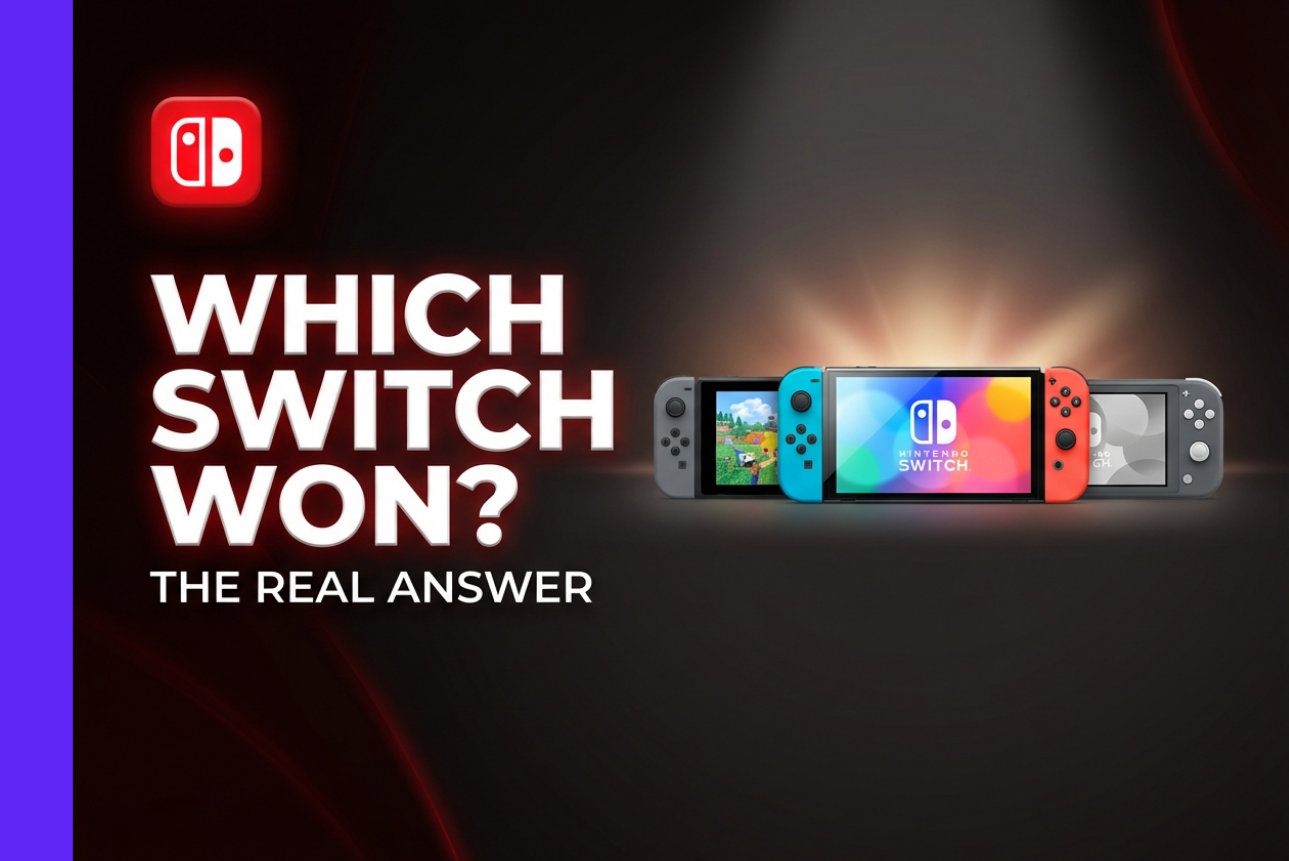
  • Which Switch Actually Made Nintendo More Money: Switch 1 or Switch 2?

    Which Switch Actually Made Nintendo More Money: Switch 1 or Switch 2?

    Nintendo fans often argue about which Switch is “better,” but a more interesting question is this: which Switch actually made Nintendo more money?

    The original Nintendo Switch had one of the longest and most successful console runs ever. The Nintendo Switch 2, on the other hand, launched much stronger out of the gate and is already bringing in money faster. The real answer depends on how you define success — total lifetime money versus speed and efficiency.


    Quick Answer

    The original Nintendo Switch has made Nintendo more money so far because of its massive lifetime sales and long-running game library. However, Switch 2 is earning money faster, thanks to higher pricing, strong launch demand, and immediate software sales. If Switch 2 maintains momentum, it could surpass the original in less time.


    What Does “Making More Money” Actually Mean for Nintendo?

    When Nintendo looks at performance, it’s not just about console sales.

    It usually comes down to:

    • How long the console sells well
    • How much profit each console generates
    • How many games people buy per system
    • How long those games keep selling

    Nintendo has historically cared more about steady profits over time than quick spikes.

    Mini-summary:
    Selling consoles matters, but selling games for years matters more.


    How Much Money Did the Original Nintendo Switch Make?

    The original Nintendo Switch launched in 2017 and became one of the best-selling consoles in gaming history, passing 150 million units worldwide over its lifetime.

    What made it special wasn’t just the sales — it was how long it stayed profitable.

    Key reasons the Switch 1 made so much money:

    • First-party games like Mario Kart 8 Deluxe, Animal Crossing, and Breath of the Wild kept selling at full price for years
    • Nintendo avoided heavy discounts on both hardware and games
    • Digital game sales steadily increased over time
    • Development costs were spread across an unusually long console generation

    According to Nintendo’s own earnings reports over the years, the Switch era delivered some of the company’s strongest operating profits ever.

    Mini-summary:
    Switch 1 didn’t just sell a lot — it kept earning for a very long time.


    Is Nintendo Making More Money Faster With Switch 2?

    Yes — and that’s the key difference.

    The Nintendo Switch 2 launched with:

    • Faster early sales than the original Switch
    • A higher launch price
    • Immediate access to an existing game ecosystem

    Because players can bring their Switch 1 libraries forward, Nintendo didn’t have to “rebuild” its software business from scratch. People were buying games, DLC, and upgrades almost immediately.

    Industry analysts and gaming outlets like The Verge and Nintendo Life have pointed out that Switch 2’s early revenue curve is steeper, even if total lifetime sales haven’t caught up yet.

    Mini-summary:
    Switch 2 hasn’t sold more overall — but it’s making money sooner.


    Which Switch Is More Profitable Per Console?

    While Nintendo doesn’t publish profit per unit, several factors suggest Switch 2 earns more per console sold:

    • Higher retail price
    • Mature digital storefront with higher margins
    • Lower risk compared to launching a brand-new ecosystem
    • Stronger early attach rates for games

    The original Switch became extremely profitable later in its life, once manufacturing costs dropped. Switch 2 benefits from lessons learned and modern pricing from day one.

    Mini-summary:
    Switch 1 won on volume and longevity. Switch 2 likely wins on efficiency.


    So Which Switch Actually Made Nintendo More Money?

    Right now, the original Nintendo Switch has made more money overall.
    It’s had nearly a decade on the market, sold far more units, and built one of Nintendo’s most lucrative game libraries ever.

    However, Switch 2 is outperforming the original at the same point in its life cycle. It’s earning revenue faster, selling at a higher price, and monetizing games immediately.

    If Switch 2 enjoys a similarly long lifespan, it has a real chance to match or exceed the original Switch’s total financial impact — and do it in less time.


    Frequently Asked Questions

    Did the original Switch make Nintendo more money than the Wii?

    Yes. Based on earnings reports and software sales, the Switch era generated higher overall profits than the Wii era, largely due to digital sales and long-term software performance.

    Does Switch 2 need to outsell Switch 1 to be a success?

    No. Higher prices, digital sales, and software revenue mean Switch 2 can succeed financially even with lower total unit sales.

    Does Nintendo make more money from consoles or games?

    Games. Hardware helps grow the audience, but first-party games and digital sales generate the majority of long-term profit.

    Why didn’t Nintendo replace the Switch sooner?

    Keeping the Switch alive longer allowed Nintendo to maximize profits while costs dropped and software kept selling.

    Will Switch 2 games cost more?

    Some titles may be priced higher, which could further increase Nintendo’s revenue per user over time.


    Final Thoughts

    The original Nintendo Switch is still Nintendo’s biggest money maker — for now. Its long life, massive sales, and evergreen games created a rare financial success story in gaming.

    But the Switch 2 is showing signs of being a smarter, faster-earning follow-up. With higher pricing, strong launch demand, and an instant software ecosystem, Nintendo is making money more efficiently than before.

    If history repeats itself, the Switch 2 may not need to sell more — it just needs to sell well for long enough.