Tag: Minecraft

  • From Blocky World to Box Office: How A Minecraft Movie Became a Cultural Phenomenon

    From Blocky World to Box Office: How A Minecraft Movie Became a Cultural Phenomenon

    The transition of the sandbox sensation Minecraft into a full-blown cinematic blockbuster might have seemed unlikely — yet by spring 2025, the film adaptation not only succeeded, but exploded into a cultural event. Here’s how it happened, the factors behind its success, and what it means for gaming, film and culture.


    What is A Minecraft Movie?

    A Minecraft Movie is a 2025 fantasy-adventure film based on the Minecraft game franchise by Mojang Studios. Wikipedia+1
    Directed by Jared Hess and starring Jack Black, Jason Momoa, and Danielle Brooks, the film dramatises a group of misfits pulled from the real world into Minecraft’s cubic Overworld, tasked with returning home while mastering a world of blocks. Wikipedia+1
    With a budget around US$150 million, it went on to gross approximately US$957 million globally. Wikipedia+1


    Why did it succeed at the box office?

    1. Built-in fan base + global brand

    Minecraft is one of the best-selling video games of all time, with hundreds of millions of players, extensive YouTube/streaming presence and deep cultural penetration. That gave the film a hugely ready-made audience. The Guardian+1

    2. Smart release strategy & marketing

    The film opened to a US$163 million domestic opening weekend, and around US$313 million globally in its first weekend. Screen Daily+1
    Major tie-ins helped amplify reach — brand partnerships with fast-food, merchandising, global rollout.

    3. Cross-generational appeal

    While rooted in a game popular with kids and teens, the film also appealed to families and general audiences, giving it broader reach than many game-to-film adaptations.

    4. Culture and internet momentum

    Beyond ticket sales, the movie sparked a viral “fan participation” phenomenon in theaters (more on that below). That kind of grassroots social buzz amplified its visibility and longevity.


    What cultural phenomena grew out of the movie?

    • Theatre “chicken jockey” craze
      In screening rooms around the world, fans shouted lines like “I… am Steve!” or “Chicken jockey!”, referencing in-game jokes. Some theaters issued warnings due to rowdy behavior. San Francisco Chronicle+1
    • Memeification
      The film’s visuals, dialogue and references became widely memed, driving free social-media marketing and making it feel like a “living” event.
    • Branding and merchandising explosion
      The film’s success reinforced Minecraft not just as a game, but as a multi-platform brand — toys, apparel, experiences.
    • Box-office records
      It became the highest-opening weekend for a video-game-adapted film at that time. Barron’s+1

    What challenges did the film overcome?

    • Adapting a sandbox game with minimal narrative
      Minecraft’s core appeal is open-ended creation. Translating that into a coherent story for film was non-trivial. The developers and filmmakers had to craft characters and plot around a game without a traditional narrative. Wikipedia
    • Skepticism over game-to-movie adaptations
      Historically, many video-game films under-deliver. The debut trailer received mixed reactions, and critics were cautious. Wikipedia
    • Global appeal and cultural translation
      Ensuring the film resonated not just in Western markets but globally required a strategy that balanced game references with universal storytelling.

    What does this success mean for gaming & film?

    • Validation for game-owned IP in cinema
      The success of A Minecraft Movie suggests that video-game franchises can successfully cross into film — if handled smartly with brand strength, audience alignment and global marketing.
    • Platform-brand synergy
      For Mojang/Microsoft (owners of Minecraft), the film expands the ecosystem: game sales, DLC, spinoffs, merchandise — all benefit from crossover success.
    • Event-screening culture reinvigorated
      Audiences again flocked to theaters for a communal experience — not just to watch a movie, but to participate in a cultural moment.
    • Sequel momentum is now in motion
      A sequel has already been announced for July 23 2027. People.com The brand continues to build on the film’s momentum.

    Key Takeaways for Brands and Creators

    • Leverage existing passionate communities: Minecraft’s fan base was central to the film’s launch power.
    • Create cross-generational appeal: Appeal to core fans plus wider family audiences increases scale.
    • Design for participation & shareability: Meme-worthy content, theater-events, social tie-ins boost reach.
    • Maintain branding consistency: Staying true to the game’s look and feel (cubic visuals, sense of play) helped authenticity.
    • Plan for multi-platform ecosystem: Film works as part of a broader plan (game updates, merchandise, streaming) not just a standalone release.

    Conclusion

    A Minecraft Movie didn’t just succeed — it soared. By blending a massive gaming brand, savvy marketing, cross-demographic appeal and cultural-moment energy, it transformed a sandbox video game into a theatrical event. The film’s performance underscores how strong game IP, when handled correctly, can bridge into film and entertainment big time — and set new standards for game-to-movie adaptations.

    Whether you’re a creator, brand strategist or just a gaming fan, the lesson is clear: build with the community, lean into culture, and think beyond screens.


    FAQ

    What was the budget of A Minecraft Movie?

    The estimated budget was approximately US$150 million. Wikipedia+1

    How much did it make at the box office?

    Worldwide gross reached roughly US$957 million, making it one of the highest-grossing video-game-adapted films ever. Wikipedia+1

    When was it released?

    The world premiere took place March 30 2025 in London; the global theatrical release followed on April 4, 2025. Wikipedia+1

    Is there a sequel?

    Yes — a sequel is officially scheduled for July 23 2027. People.com

    Why did the film spark unruly theater behaviour?

    Fans embraced the film as a shared cultural event, chanting game-references, shouting lines, and turning screenings into participatory experiences (e.g., “chicken jockey”). Some theatres issued warnings as a result. San Francisco Chronicle+1

    Why is this important for the gaming industry?

    It demonstrates that major game franchises can transcend their medium — creating film, merchandise and event experiences — thereby expanding their value and cultural reach.


  • Dragon Ball Z Meets Minecraft: What the New Crossover Means for the Game’s Ecosystem

    Dragon Ball Z Meets Minecraft: What the New Crossover Means for the Game’s Ecosystem

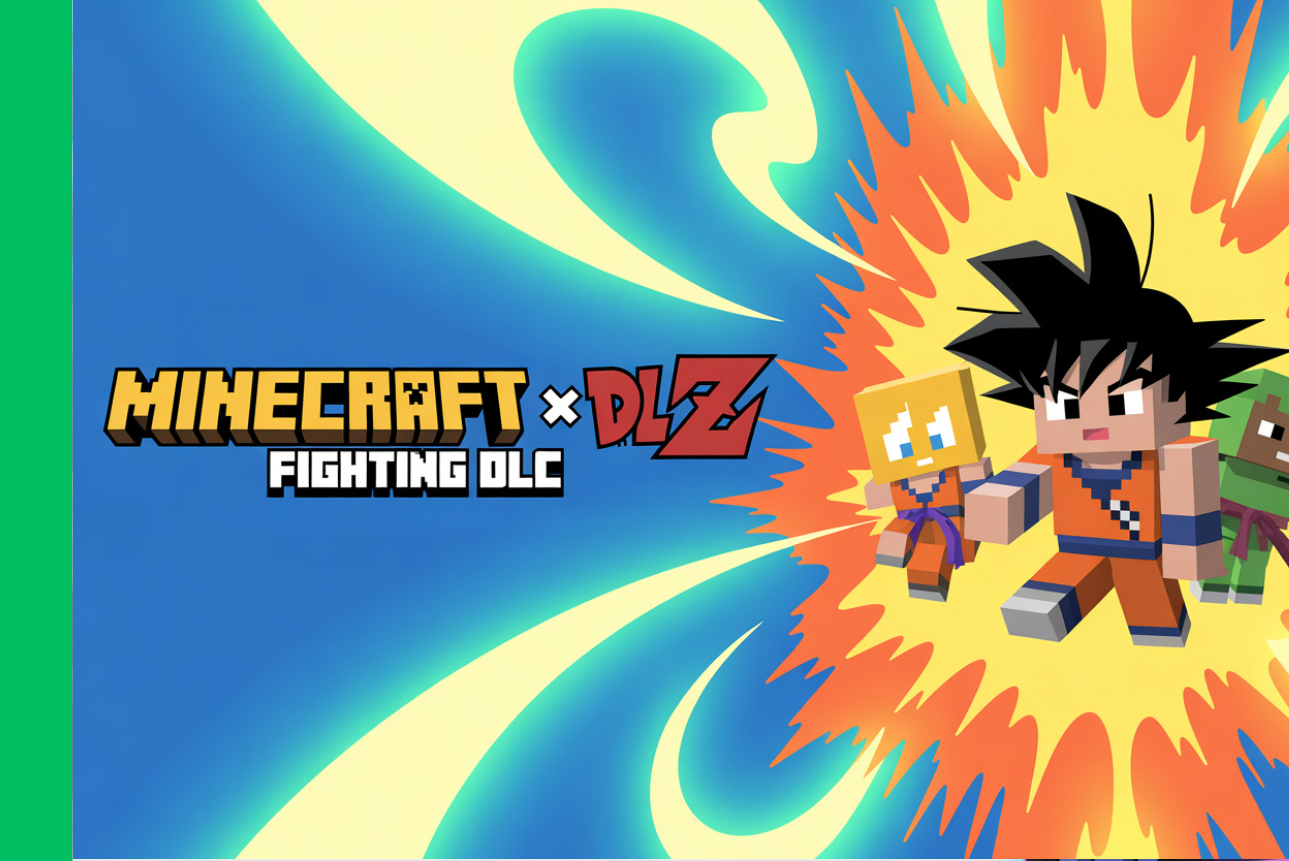
    Minecraft has stepped into new territory with its surprise Dragon Ball Z crossover, introducing a full-blown fighting-game style DLC complete with 1v1, 5v5, and co-op combat modes, voxelized versions of iconic characters, and themed skins available for the base game. For a franchise known for its creative sandbox roots, this collaboration pushes the boundaries of what Minecraft content can be — and signals major shifts in how Mojang is expanding the game’s ecosystem.


    A Closer Look at the Minecraft × Dragon Ball Z Crossover

    A Fighting Game Inside Minecraft

    The new DLC doesn’t just add skins or cosmetic flair — it introduces mechanics inspired by traditional fighting games, letting players team up or battle head-to-head in structured match modes. This includes:

    • 1v1 duels between players or AI
    • 5v5 team battles
    • Co-op modes against themed enemies
    • Voxelized DBZ characters, including Goku, Vegeta, Piccolo, and more

    These features make the DLC feel like a game-within-a-game, showcasing how flexible Minecraft’s engine and marketplace content have become.

    Skins and Main-Game Integration

    In addition to the standalone fighting experience, players get Dragon Ball–themed skins usable in regular Minecraft worlds. This bridges both sides of the player experience — competitive and creative — blending the DBZ aesthetic with traditional sandbox play.


    Why This Crossover Matters for Minecraft’s Ecosystem

    1. Minecraft Is Evolving Beyond a Pure Sandbox Game

    This crossover is a clear sign that Minecraft is becoming a multi-genre platform, not just a building game. By delivering a structured fighting experience, Mojang and marketplace creators are proving that Minecraft can host:

    • Action games
    • Adventure campaigns
    • Mini-MMOs
    • RPG-style content
    • And now, fighting games

    This expands the potential audience and diversifies how players engage with the game.

    2. It Highlights the Growing Power of the Marketplace

    Marketplace content has always been part of Minecraft, but collaborations like this elevate it to a new level. The DBZ DLC demonstrates that:

    • Licensed content can deliver fully developed gameplay modes
    • Marketplace creators can collaborate with major brands
    • High-value add-ons are becoming more common

    As Minecraft evolves toward a more “live service” model, these premium packs could become central to its long-term revenue and player retention strategy.

    3. It Brings New Audiences Into the Minecraft Universe

    Dragon Ball Z remains a global powerhouse, and crossovers with anime IPs introduce Minecraft to:

    • Younger anime fans
    • Older DBZ fans exploring the game through nostalgia
    • Players drawn by action-focused gameplay they didn’t know Minecraft could offer

    This cross-pollination strengthens both communities and expands Minecraft’s cultural footprint.

    4. It Sets a Template for Future High-Profile Collaborations

    If the DBZ DLC performs well, expect more partnerships with major media brands. Future crossovers may explore:

    • Other anime universes
    • Film franchises
    • Superhero IPs
    • Game-to-game collaborations

    Each new partnership builds the case for Minecraft as a flexible platform capable of delivering diverse, polished experiences.


    Potential Concerns — and Why They Likely Won’t Hold Minecraft Back

    While reactions are mostly positive, some concerns include:

    • Purists feeling the game is moving away from its original identity
    • Oversaturation of paid DLC
    • Marketplace fragmentation between Java and Bedrock editions

    However, Minecraft’s strength lies in its flexibility. Players who want pure sandbox play can ignore the content, while those seeking new experiences can enjoy high-production extras. The ecosystem is large enough to support both styles.


    What This Means for the Future of Minecraft

    This crossover suggests Minecraft is entering a new phase where:

    • Complex gameplay modes sit alongside the core sandbox
    • Marketplace releases become more ambitious
    • Cross-brand collaborations bring in new players
    • Minecraft evolves not just as a game, but as a game platform

    As Mojang continues expanding the game through frequent themed drops, licensed DLCs, and experimental mechanics, Minecraft is positioning itself for long-term cultural relevance far beyond its original survival-and-building roots.


    Conclusion

    The Dragon Ball Z crossover marks one of the most surprising and exciting shifts in Minecraft’s recent history. By embracing a fully featured fighting-game experience, Mojang is signaling that Minecraft is bigger, more flexible, and more ambitious than ever. Whether you’re a builder, fighter, explorer, or just an anime fan, this collaboration reflects a bold new era for the game.

    Question for readers: Would you like to see more major franchises collaborate with Minecraft — and if so, which universe should be next?