Mojang rethinks the balance between chaos and control in its ever-evolving sandbox
Introduction
Over a decade since its launch, Minecraft remains one of the most beloved games in history — a creative sandbox that has shaped generations of players. But in 2025, Mojang Studios, the developer behind the game, is taking a closer look at how it designs new features — and even questioning whether some of its most iconic elements, like the Creeper, would exist if the game were built today.
This shift in design philosophy reveals how Minecraft is evolving from a game defined by random chaos to one guided by player control, fairness, and intentional challenge.
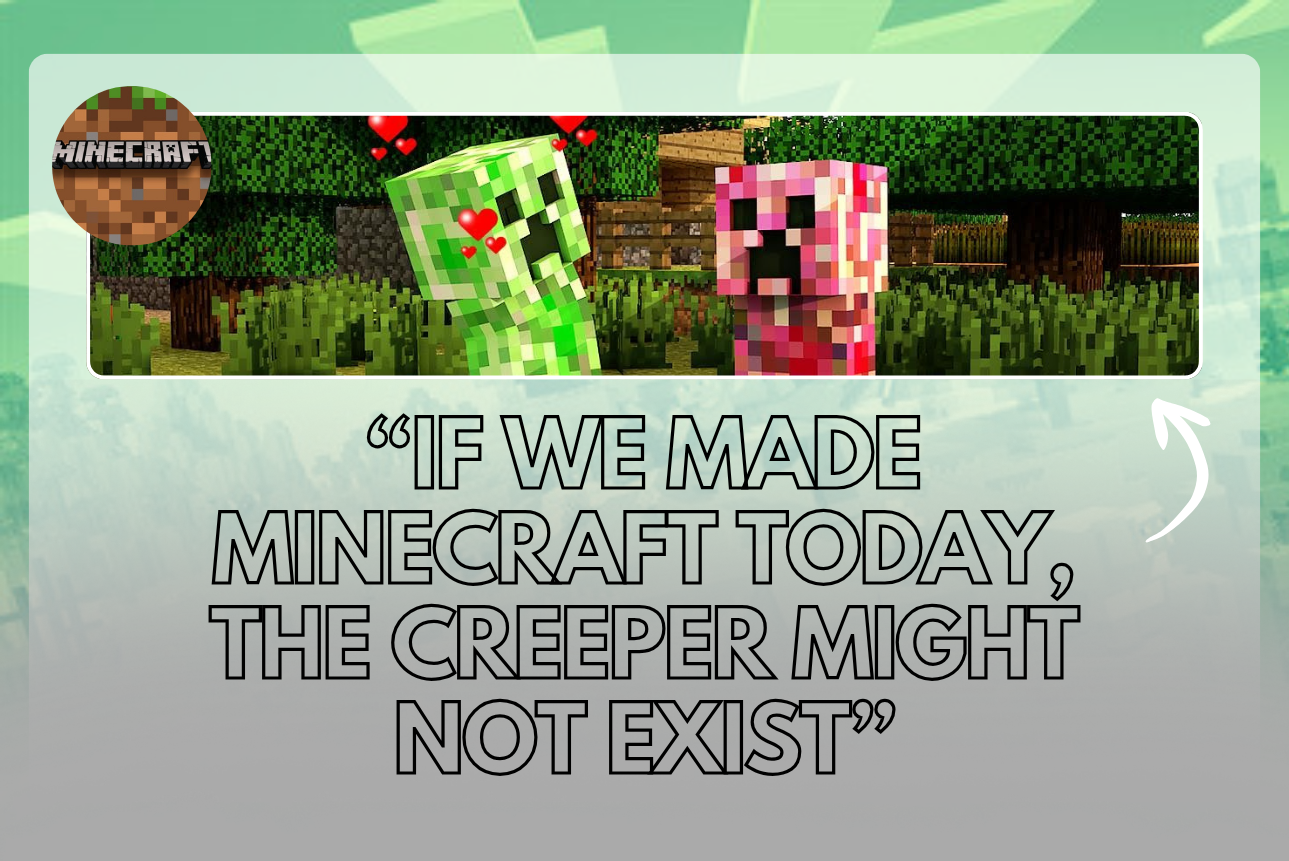
“If We Made Minecraft Today, the Creeper Might Not Exist”
In a recent interview, Mojang developers admitted that if Minecraft were created now, the Creeper — the green, hissing enemy famous for sneaking up and blowing up your builds — might not make the cut.
Why? Because the Creeper represents a design approach Mojang no longer fully embraces. As Mojang CEO Helen Chiang put it, the studio now follows a guiding principle:
“Bad things happen, but they’re technically the player’s fault.”
This means modern Minecraft aims to avoid unfair or unpredictable punishment. If something goes wrong, it should stem from the player’s own choices — not from random events that destroy hours of work.
A Shift Toward Player Agency and Fairness
Minecraft’s newer updates reflect this evolving mindset. Instead of introducing mechanics that punish players unexpectedly, Mojang focuses on agency and intentional design. Players can now customize difficulty, manage hostile mob spawns, and control world rules through toggles and datapacks.
The goal? To preserve Minecraft’s sense of wonder while making sure players feel responsible for their outcomes — whether that’s surviving a raid or accidentally flooding their base with lava.
This change also aligns with trends in other long-running games. Studios are learning that players value transparency and control over surprise difficulty spikes or loss of progress. The emphasis on fairness helps Minecraft remain accessible to new audiences while keeping veteran players invested.
The Broader Context: Evolution, Not Replacement
This philosophical shift doesn’t mean Minecraft is losing its charm or danger. Creepers, lava, and deep caves aren’t going anywhere — they’re simply being contextualized differently.
Future updates are expected to focus on:
- Player-driven risk — situations where danger is a consequence of exploration or choice.
- Customizable gameplay loops — letting players tailor how punishing or peaceful their world feels.
- Collaborative play — emphasizing shared creativity over destructive randomness.
Even the game’s recent snapshots, like Mounts of Mayhem, show Mojang expanding mechanics that empower the player — new ridable creatures, weapons like the spear, and mobility-focused enchantments all reinforce the idea of control through creativity.
Why It Matters for Players
This new direction means the Minecraft experience could soon feel more personalized and strategic. Players who enjoy creative building can maintain calm worlds, while those who thrive on chaos can push danger sliders higher.
For younger or newer players, it makes Minecraft less punishing and more inviting. For veterans, it opens up deeper layers of challenge through deliberate choice — not luck or misfortune.
Ultimately, Mojang’s evolving philosophy is about respecting player time and agency, ensuring every surprise feels earned rather than unfair.
Looking Ahead
With Minecraft still expanding across platforms — and a live-action Minecraft movie slated for 2027 — Mojang’s design rethink comes at a pivotal time. The studio is not just maintaining the game but preparing it for a new era of players and expectations.
As technology, community, and creative standards evolve, Minecraft’s enduring success may depend less on random explosions and more on how it empowers every player to build their own stories — safely, fairly, and freely.
Conclusion
Minecraft’s changing philosophy isn’t about softening the game — it’s about modernizing it. By shifting from surprise punishment to fair, player-driven design, Mojang is ensuring that its sandbox remains as timeless as ever.
The question now is: how far should player control go before it changes the essence of Minecraft itself?
Leave a Reply