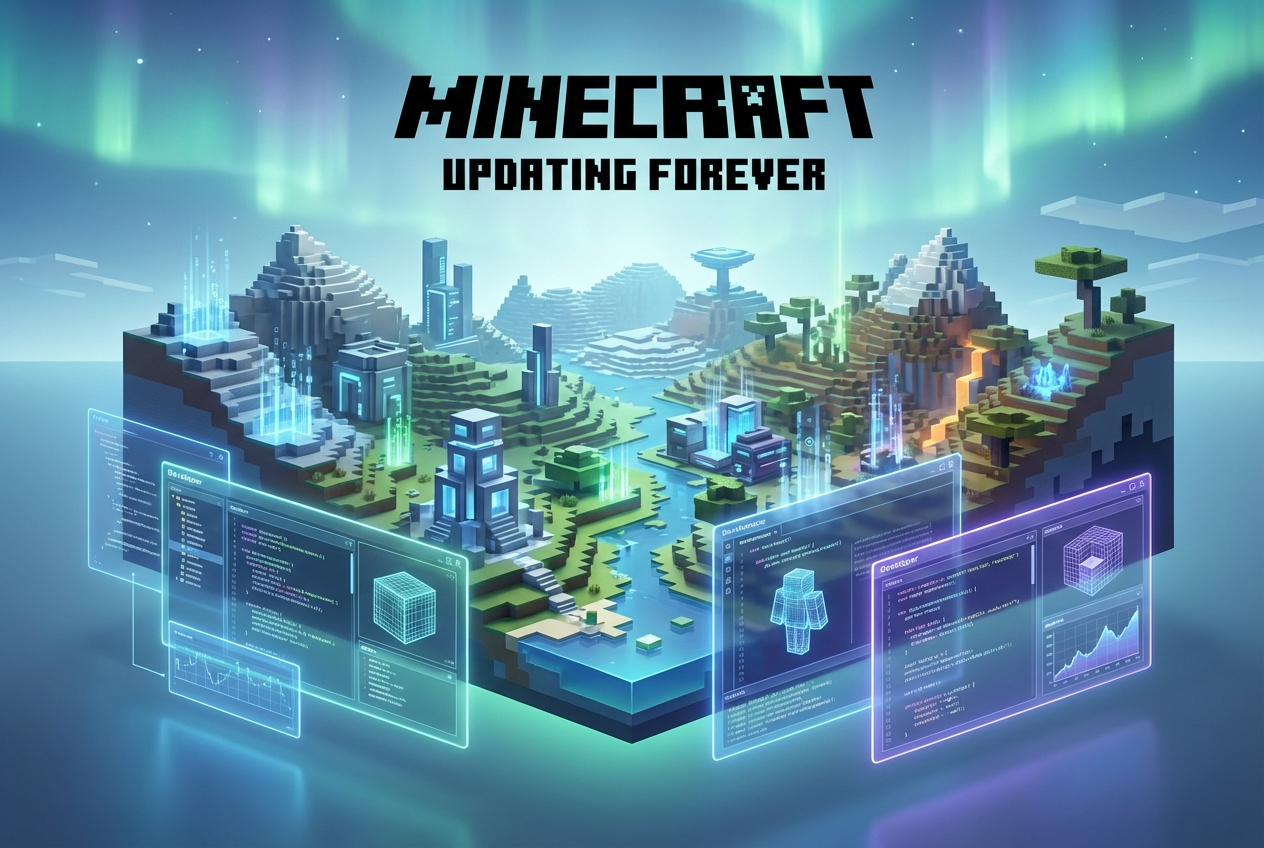
Minecraft remains one of the most played and influential games in the world, yet many players have noticed a clear shift in how updates are released. Instead of massive, game-changing expansions arriving frequently, recent Minecraft updates have been smaller, more experimental, and more gradual.
This has sparked debate across the community. Some players welcome the change, while others feel updates are slower or less ambitious than before.
So why is this happening?
Quick Answer
Mojang Studios is prioritising long-term stability, experimentation, and player feedback over large, high-risk updates.
Rather than rushing major features, the studio is focusing on smaller improvements, optional experiments, and sustainable development to keep Minecraft healthy for decades.
What Is Mojang Studios’ Current Update Strategy?
Mojang Studios develops Minecraft as a live, long-term platform rather than a traditional sequel-driven game.
Key elements of Mojang’s current approach include:
- Smaller, more frequent updates
- Experimental features released separately
- Longer testing phases
- Heavy reliance on community feedback
Mini-summary: Minecraft is no longer updated like a traditional game release cycle—it’s treated as an evolving ecosystem.
Why Mojang Moved Away From Massive Updates
1. Minecraft’s Scale Makes Big Changes Risky
Minecraft supports:
- Hundreds of millions of players
- Multiple platforms (Java, Bedrock, console, mobile)
- Mods, servers, and custom worlds
Large updates can easily break:
- Existing worlds
- Redstone systems
- Community mods and servers
Smaller updates reduce the risk of destabilising the game’s ecosystem.
The Rise of Experimental Features
One of the biggest changes in recent years is Mojang’s use of experimental toggles.
What This Means
- New mechanics are tested separately
- Players opt in rather than being forced into changes
- Features can be delayed, changed, or cancelled
This allows Mojang to:
- Test ideas safely
- Gather feedback early
- Avoid over-promising content
Mini-summary: Experiments let Mojang innovate without committing too early.
A Stronger Focus on Quality Over Quantity
Earlier Minecraft updates often introduced large feature sets all at once. Today, Mojang appears more focused on:
- Bug fixing and performance
- Cross-platform parity
- Polishing existing systems
This slower pace frustrates some players, but it helps ensure:
- Fewer game-breaking bugs
- More consistent experiences across devices
- Better long-term stability
Development Culture Has Changed
Mojang has also publicly discussed improving developer wellbeing and avoiding extreme crunch culture.
This shift means:
- Longer development timelines
- More cautious feature planning
- Fewer rushed releases
While this can slow visible progress, it supports healthier development and more sustainable updates.
Why Minecraft Doesn’t Need Big Updates to Survive
Unlike many games, Minecraft benefits from:
- A massive modding community
- Player-driven creativity
- Servers that evolve independently
Even smaller official updates can spark:
- New mod ideas
- New server mechanics
- New playstyles
Minecraft’s community often amplifies small changes into major trends.
Community Reaction: Mixed but Engaged
Player reactions generally fall into three groups:
- Supporters who value stability and polish
- Critics who miss large, transformative updates
- Optimists who believe bigger changes are coming later
Despite criticism, Minecraft’s player numbers and engagement remain extremely strong.
What This Means for the Future of Minecraft
Likely Going Forward
- Continued use of experimental features
- Smaller, more focused updates
- Long testing periods
- Incremental world and gameplay improvements
Less Likely
- A complete engine overhaul
- A “Minecraft 2”
- Rapid, massive feature drops
Mini-summary: Minecraft is being built for longevity, not short-term hype.
Final Verdict
Mojang Studios’ different approach to Minecraft updates reflects the game’s unique position in gaming history. With an enormous player base, cross-platform demands, and a thriving community ecosystem, cautious and incremental updates make sense. While this strategy may feel slower, it prioritises stability, experimentation, and sustainability—ensuring Minecraft remains relevant not just for years, but for generations.
Frequently Asked Questions
Why are Minecraft updates smaller now?
To reduce risk, improve quality, and support long-term development.
Are big updates gone forever?
No, but they are likely to be more gradual and carefully tested.
What are experimental features?
Optional systems that allow Mojang to test new ideas safely.
Is Minecraft still actively developed?
Yes, development remains ongoing with a focus on sustainability.
Leave a Reply