Blog

  • Blizzard Confirms Player Housing for WoW’s Midnight Expansion — What to Expect

    Blizzard Confirms Player Housing for WoW’s Midnight Expansion — What to Expect

    Introduction

    After years of community requests and speculation, Blizzard Entertainment has officially confirmed that player housing is coming to World of Warcraft in December 2025. The feature will debut as an early access release for owners of the upcoming Midnight expansion, giving players a long-awaited way to create a true home within Azeroth.


    The Long-Awaited Feature Becomes Reality

    For more than two decades, player housing has been one of the most requested features in World of Warcraft. While other MMOs like Final Fantasy XIV and Elder Scrolls Online have offered housing systems for years, Blizzard’s flagship MMORPG had resisted adding one — until now.

    According to GameSpot and GamesRadar, the new housing system will arrive on December 3, 2025, as part of patch 11.2.7. Players who pre-order World of Warcraft: Midnight will gain early access to two customizable homes — one for each faction — along with a starter set of decorative items.

    Blizzard has teased that the feature will include:

    • Fine-grained customization, allowing players to rotate, scale, and elevate décor items.
    • A large catalog of furnishings inspired by WoW’s diverse zones and expansions.
    • A shared neighborhood system to be introduced later, bringing social hubs and player-driven events.

    The full housing system will expand further with the launch of the Midnight expansion in 2026, including open plots, guild spaces, and thematic seasonal events.


    Why It Matters for WoW’s Future

    This move signals a notable shift in Blizzard’s design philosophy. World of Warcraft has long been driven by combat progression — raids, dungeons, and PvP — while offering little for creative or social play. Housing introduces a non-combat endgame loop, providing reasons for players to engage outside of battle and build personal expression into the game world.

    For Blizzard, it’s also an opportunity to reinvigorate community engagement. Personal housing systems in other MMOs have been powerful tools for retention, inspiring crafting economies, design competitions, and roleplaying communities.

    As Midnight aims to redefine WoW’s accessibility and social fabric, this new feature could become a major pillar of that strategy.


    A New Foundation for the Midnight Expansion

    The housing update is launching alongside a series of system-wide changes planned for World of Warcraft: Midnight. The expansion will continue the Worldsoul Saga storyline, pitting players against the Void and Xal’atath, while reworking class design to reduce reliance on combat add-ons like WeakAuras.

    Game Director Ion Hazzikostas recently acknowledged that WoW’s high-end content has become “too difficult without combat mods,” prompting Blizzard to simplify encounter readability and make the experience more natural for all players.

    Together, these updates — housing, accessibility changes, and open-world improvements — point toward a more modern, flexible World of Warcraft that balances nostalgia with innovation.


    Conclusion

    After twenty years, World of Warcraft is finally giving players a place to call home. The introduction of housing marks not only a long-awaited feature but also a symbolic moment in WoW’s evolution — a shift toward creativity, accessibility, and player-driven expression.

    As December approaches, the question for fans isn’t just how they’ll decorate their homes, but whether this change will usher in a new golden age for Azeroth’s long-running community.

  • The Rise of Agentic Commerce: How AI Is Redefining Frictionless Shopping

    The Rise of Agentic Commerce: How AI Is Redefining Frictionless Shopping

    Introduction

    The next evolution of e-commerce isn’t about faster websites or better recommendations — it’s about autonomous, intelligent agents that can act on behalf of users. This emerging trend, known as agentic commerce, combines AI-driven decision-making, personalized automation, and integrated commerce systems to remove traditional barriers in the buying process. As AI becomes embedded across customer journeys, the boundaries between browsing, deciding, and purchasing are beginning to disappear.


    What Is Agentic Commerce?

    Agentic commerce refers to digital transactions executed or assisted by autonomous AI agents that represent the user’s intent. Instead of customers manually comparing products, reading reviews, and checking out, these intelligent agents perform those tasks — from discovery to payment — with minimal user input.

    Think of it as moving beyond search-based shopping toward goal-based commerce. A user might say, “Find me a sustainable, budget-friendly laptop for design work,” and the AI agent autonomously handles research, comparison, and even the purchase through connected APIs or platforms.


    AI Integrations: Reducing Friction Across the Buying Journey

    Traditional e-commerce involves multiple steps: search, click, evaluate, cart, checkout. Each step introduces friction — cognitive effort, time, or decision fatigue. AI integrations are systematically removing these barriers:

    • Personalized AI Assistants: Systems like ChatGPT, Google Gemini, or Amazon Q can already handle product queries conversationally, replacing static search boxes.
    • Autonomous Decision Agents: Integrations with payment APIs, inventory systems, and recommendation engines allow AI to finalize transactions.
    • Predictive Context Awareness: AI understands user context — preferences, past purchases, and even current mood — to anticipate needs before a request is made.
    • Voice and Multimodal Interfaces: By integrating with smart devices, users can initiate purchases hands-free or visually (e.g., scanning a product via AR).

    These integrations collectively form a seamless commerce ecosystem where intent flows smoothly into action.


    Why It Matters

    For businesses, agentic commerce promises higher conversion rates and personalized engagement at scale. For consumers, it represents a shift toward effortless, contextual experiences — one where buying feels more like collaboration than transaction.

    However, the movement also raises questions about trust, transparency, and control. How much autonomy should AI agents have? How do we ensure fair recommendations and data privacy? These considerations will shape how agentic commerce matures in the coming years.


    The Future of Frictionless Buying

    As AI continues to integrate into commerce infrastructure — from API-native payment rails to LLM-driven customer service — we’re moving toward a world where shopping becomes a background process. The brands that thrive will be those that enable trustworthy, human-aligned agents to act on behalf of users, blending automation with transparency.

    Agentic commerce isn’t about removing humans from the process; it’s about empowering them with systems that understand intent and act efficiently. The next wave of e-commerce will not just be smart — it will be agentic.

  • After 14 Years, Minecraft’s “Far Lands or Bust” Journey Finally Reaches Its End

    After 14 Years, Minecraft’s “Far Lands or Bust” Journey Finally Reaches Its End

    It’s official — after more than 14 years of walking, YouTuber KurtJMac has finally reached the Far Lands, one of Minecraft’s most legendary and long-lost regions. His journey, which began in 2011, has now become one of the longest-running video game adventures ever completed — and it raised over $500,000 for charity along the way.


    What Are the Far Lands?

    For newer players, the Far Lands were a bizarre terrain glitch that appeared in the earliest versions of Minecraft. At extreme distances from the world’s spawn point, the game’s terrain generation would break down, creating warped landscapes and floating landmasses.

    They were removed in later updates, but for many veterans, the Far Lands represent a nostalgic piece of Minecraft’s early identity — a symbol of the game’s infinite potential (and its rough edges).

    KurtJMac decided back in March 2011 to make it his mission to reach them — without teleportation, mods, or cheats. Just walking. Step by step.


    The Journey of a Lifetime

    Over the years, Kurt turned his quest into a long-running series called “Far Lands or Bust.” The goal wasn’t just to reach the Far Lands, but to raise money for humanitarian causes.

    Streaming regularly, Kurt gradually trekked through tens of millions of in-game blocks — chatting with fans, sharing stories, and raising funds.

    By the time he reached the goal in October 2025, the series had:

    • Lasted 14½ years
    • Generated over $500,000 USD for charity
    • Built a dedicated global following of players and donors

    When he finally arrived at the edge — the glitching, floating terrain of the Far Lands — his livestream audience celebrated with him in real-time, marking an emotional end to one of gaming’s longest marathons.

    “I don’t think anyone thought this would actually happen,” Kurt said during the finale stream. “But here we are — and it’s been worth every block.”


    Why This Matters

    The story resonates far beyond the Minecraft community:

    • Dedication and patience: 14 years of consistent effort in a single save file is nearly unheard of.
    • Gaming for good: Turning a personal goal into a charity movement showcases how communities can make a real-world impact.
    • Preserving gaming history: Since the Far Lands no longer exist in current Minecraft versions, this is a farewell to a part of the game’s early magic.

    Even Mojang’s developers and long-time Minecraft creators have acknowledged Kurt’s achievement, calling it “one of the most remarkable journeys ever undertaken in a video game.”


    A Symbol of Minecraft’s Legacy

    As Minecraft continues to evolve with major updates — including the upcoming Copper Age expansion — stories like this remind players where it all began. The Far Lands were never meant to be reached, yet they became one of the most iconic myths in gaming.

    By reaching them after more than a decade, KurtJMac has effectively closed a chapter in Minecraft’s living history — one built not by developers, but by the players themselves.

  • Nintendo Sues Reddit Moderator for $4.5 Million Over Alleged Switch Piracy

    Nintendo Sues Reddit Moderator for $4.5 Million Over Alleged Switch Piracy

    Nintendo is seeking $4.5 million in damages from a former Reddit moderator accused of operating piracy networks that distributed Nintendo Switch games. The case highlights the company’s aggressive stance on copyright enforcement — especially in fan and community spaces. Fast Company+2VGC+2


    What’s Going On

    • The lawsuit names James C. Williams, who went by the Reddit alias “Archbox”, as the defendant. Fast Company+1
    • Nintendo alleges that Williams was heavily involved in running and promoting “Pirate Shops”, which made hundreds or thousands of copyrighted Nintendo Switch games available for unauthorized download. VGC+1
    • Williams is accused of using his role as moderator of r/SwitchPirates to post links, steer users toward piracy sites, and solicit “donations” of eShop gift cards in exchange for access to games not yet pirated. VGC+3VGC+3Fast Company+3
    • Nintendo claims it first issued a cease-and-desist notice in March 2024 demanding Williams shut down these sites. Williams allegedly responded, but later denied involvement and failed to comply. Fast Company+1
    • Because Williams apparently did not respond or defend himself in court, Nintendo is asking the court for a default judgment. VGC+2GameSpot+2
    • The lawsuit is grounded in claims of copyright infringement (copying/distribution of games) and circumvention (providing tools or methods to bypass Nintendo’s protections). VGC+1

    How Nintendo Arrived at $4.5 Million

    Nintendo’s filing focuses on 30 specific first-party titles that Williams allegedly pirated. For each, Nintendo is seeking statutory damages up to $150,000, which totals the $4.5 million figure. VGC+2Fast Company+2

    Although Nintendo could have pursued more (given the potential volume of piracy and circumvention claims), it appears the company chose a conservative but significant sum tied to known titles. VGC

    A hearing to enter the default judgment is scheduled for October 24, 2025. VGC


    Why This Case Matters

    1. Community Roles Under Scrutiny
      This isn’t just a case of a piracy website. Nintendo is pointing to activity in a public, community space (Reddit) and leveraging moderation privileges as part of the alleged scheme.
    2. Precedents & Aggressive IP Enforcement
      Nintendo has previously pursued emulator teams and mod chip sellers. This adds a case where community figures (not just developers or hardware mods) can be held to account. Fast Company+2VGC+2
    3. Legal Strategy via Default Judgment
      Nintendo’s path — suing, getting no response, then asking for default judgment — is a tactic to enforce claims even when the defendant does not engage.
    4. Damage Claims & Statutory Limits
      By anchoring damages in statutory amounts per game, Nintendo leverages the high ceilings available in U.S. copyright law while keeping demands tied to selected infringements.

    Risks & Open Questions

    • The case has not yet been decided — the allegations remain just that until a court rules.
    • A default judgment could be challenged later (for example, if Williams later appears or moves to vacate the default).
    • Enforcement of the judgment — collecting $4.5 million — can be difficult if the defendant lacks resources or hides assets.
    • This could raise concerns around chilling effects on fan sites, mod communities, or volunteer moderators, especially in ambiguous areas of copyright.

    Final Thoughts

    Nintendo’s lawsuit against a Reddit moderator underscores the company’s zero-tolerance policy toward piracy, especially when community influence is involved. Whether the court grants the default judgment or Williams attempts to fight back, this case may set new boundaries for how companies engage with online communities and moderators in copyright enforcement.

  • FC26’s VPN Exploit: How a Pricing Glitch Let Players Buy Premium FC Points for Pennies

    FC26’s VPN Exploit: How a Pricing Glitch Let Players Buy Premium FC Points for Pennies

    Blog Post

    EA Sports FC26 is already making waves — and not all of them good. A recent pricing glitch in the game’s regional store allowed players to buy huge amounts of FC Points (the premium in-game currency) for a fraction of what it should cost — simply by spoofing their location via VPN. The fallout is shaking up the in-game economy and putting EA’s oversight under the spotlight.

    What Happened?

    The exploit centers on Indonesia’s store listing, where a misplaced decimal point made FC Points absurdly cheap. Players discovered that by connecting through a VPN to appear as though they were in Indonesia, they could buy FC Points for just less than $1, instead of the usual $120 or more. TechRadar

    Because this was available on multiple platforms (PC, consoles), many players amassed large balances of FC Points and used them to build overpowered squads — disrupting balance, especially in markets where currency value matters more. TechRadar

    The Impact

    • In-game economy collapse: The flood of ultra-cheap FC Points distorted the market, making coins and player cards far cheaper, especially on PC. TechRadar
    • Fairness & match integrity: Players using “unfair advantages” could dominate online matches or trade economies, making it hard for legitimate users to compete.
    • Reputational damage: Some commentators are calling this “EA’s biggest mistake ever” — a massive oversight in pricing policy. TechRadar
    • Account risk: There are rumors (unconfirmed officially) that accounts exploiting the glitch may face suspension or bans. TechRadar

    EA hasn’t issued a full public statement yet, but the community is urging caution, especially in crossplay matches (since unbalanced accounts could infiltrate matches). TechRadar

    What to Keep an Eye On

    • Official EA response: Will they claw back currency, rollback purchases, or ban accounts?
    • Patch or store correction: The pricing error needs to be fixed, and affected regions/transactions audited.
    • Crossplay and matchmaking filters: To isolate or prevent unfair matches.
    • Long-term economic balance patches: Adjusting how FC Points, coin markets, and trades behave post-exploit.

  • Is Rockstar Preparing the Next GTA 6 Trailer? Fans Spot Mysterious PlayStation Store Update

    Is Rockstar Preparing the Next GTA 6 Trailer? Fans Spot Mysterious PlayStation Store Update

    The Grand Theft Auto VI hype train has started rolling again — and this time, fans think PlayStation just dropped a clue. A small but intriguing update on the GTA 6 PlayStation 5 store page has sparked fresh speculation that Rockstar Games may be gearing up for its next big reveal.


    A Small Change, Big Reaction

    Earlier this week, eagle-eyed fans noticed that the PlayStation 5 listing for GTA 6 now includes a “Ratings & Reviews” section, something that wasn’t there before.
    While it may sound like a simple backend tweak, long-time Rockstar watchers know that subtle updates like these often precede marketing moves — such as new trailers or pre-order announcements.

    According to GamingBible, players began reporting the change almost immediately, with many interpreting it as a sign that “Trailer 3” could arrive soon. One Reddit user summed up the community’s excitement perfectly:

    “I can feel it — trailer 3 is coming sooner than we expect.”

    Whether coincidence or deliberate timing, the modification has reignited conversation across social media, YouTube, and fan forums.


    Why the Timing Makes Sense

    After months of relative quiet since the last major update, the timing of this change is interesting. Rockstar officially delayed GTA 6’s release to May 26, 2026, moving the game from its original late-2025 window.

    With the delay now public, Rockstar has room to restart its marketing cycle without risking overexposure too early. The next major promotional beat — likely a gameplay showcase or cinematic trailer — could arrive before the year’s end to keep anticipation high.

    The pattern fits Rockstar’s usual strategy: the first trailer (December 2023) introduced the setting and characters, while Trailer 2 (May 2025) confirmed the release date. A third trailer before 2026 would naturally serve as the gameplay reveal, setting up pre-orders and platform details.


    Skepticism Remains

    Not everyone is convinced. Some PlayStation users argue that the “ratings” section appeared due to a broader PlayStation Store redesign, not a Rockstar-specific update. Others warn that the fan community may be reading too much into normal maintenance work.

    Still, the coincidence is hard to ignore. As one analyst pointed out, Rockstar’s marketing machine runs on precision — every update tends to be deliberate. And for a studio that rarely comments until it’s ready, even a silent store tweak can spark massive discussion.


    What to Watch Next

    Fans should keep an eye on the following signs over the next few weeks:

    • Official Rockstar or Take-Two blog updates — historically precede trailer drops.
    • Pre-order pages appearing on major storefronts.
    • Social-media teasers or short cryptic videos — Rockstar loves a good breadcrumb trail.
    • Parallel changes on Xbox or PC listings, which often go live in sync with PlayStation marketing.

    If these start appearing, it’s a strong indicator that GTA 6’s next trailer — or even a playable showcase — could be imminent.


    Final Thoughts

    Rockstar’s silence is as strategic as its storytelling. But as the PlayStation 5 GTA 6 page quietly evolves, fans can’t help but feel something big is coming.
    Whether this update signals a true marketing shift or just another digital housekeeping task, one thing is certain — GTA 6 hype is officially back in motion.

  • Pokémon on Switch 2025–26: Z-A, Champions & Pokopia Mark a New Era

    Pokémon on Switch 2025–26: Z-A, Champions & Pokopia Mark a New Era

    Introduction

    The Pokémon franchise is entering one of its most ambitious phases yet. With Pokémon Legends: Z-A launching this October, and Pokémon Champions and Pokémon Pokopia set to follow, Nintendo and The Pokémon Company are reshaping how fans experience the world of pocket monsters. From real-time battles to sandbox building, this next generation of titles represents a bold expansion of the Pokémon universe — both technically and creatively.


    Pokémon Legends: Z-A — The Flagship Evolution

    Releasing October 16, 2025, Pokémon Legends: Z-A arrives simultaneously on the Nintendo Switch and Switch 2, marking one of the first truly cross-generation Pokémon games. Set in Lumiose City, the title blends urban exploration with open-world adventure, inviting players to rediscover Kalos through a futuristic lens.

    Key Highlights

    • Preload & Performance: eShop preloads are live — ~4 GB on Switch and 7.7 GB on Switch 2 — with an early Version 1.0.1 update ensuring smoother launch performance.
    • Mega Dimension DLC: Confirmed for release alongside the main game, this expansion adds post-game content, apparel items (Holo-X and Holo-Y), and dual Mega Evolutions for Raichu — the third Pokémon to receive two distinct Mega forms, after Charizard and Mewtwo.
    • Real-Time Multiplayer Battles: The new Z-A Battle Club introduces four-player matches where trainers compete to score the most knockouts within a time limit. Players can join public or private matches via friend codes.
    • Classic Meets Modern: Z-A reintroduces Mega Evolution and Fossil Pokémon while confirming that regional forms from Legends: Arceus will not return. Confirmed Mega forms include Mega Chesnaught, Delphox, and Greninja.

    With its hybrid of nostalgia and innovation, Z-A is shaping up as both a love letter to longtime fans and a technical showcase for the next generation of Nintendo hardware.


    Pokémon Champions — Competitive Evolution

    Looking ahead to 2026, Pokémon Champions will take the series’ competitive ambitions to the next level. Developed by The Pokémon Works in collaboration with ILCA, the game blends turn-based strategy with multiplayer depth.

    What We Know So Far

    • Platforms: Switch and mobile, with cross-platform play.
    • Connectivity: Seamless integration with Pokémon HOME, allowing players to use existing collections.
    • Mechanics: Features Mega Evolution, Z-Moves, Dynamax, and Terastallization — bringing all signature battle systems into one title.
    • Esports Role: From 2026 onward, Champions will serve as the official Pokémon World Championships game, replacing Scarlet & Violet as the tournament standard.

    Pokémon Champions represents a strategic step toward unifying casual and competitive play under a single, continually updated platform.


    Pokémon Pokopia — The Sandbox Frontier

    Pokémon Pokopia, arriving Spring 2026, is the series’ most experimental title to date. Exclusive to the Nintendo Switch 2, it introduces a cozy, open-ended sandbox experience inspired by the likes of Animal Crossing and Minecraft.

    What Makes It Different

    • Premise: You play as a Ditto disguised as a human, able to learn moves from Pokémon and use them to reshape the environment.
    • Gameplay Loop: Gather materials, construct buildings, and attract Pokémon who teach you new moves — turning exploration into creativity.
    • Dynamic World: A day-night cycle, weather effects, and seasonal changes make Pokopia a living ecosystem.

    By combining Pokémon’s charm with life-sim mechanics, Pokopia expands the franchise into a whole new genre and leverages the Switch 2’s improved hardware for richer worlds and smoother simulation.


    Why This Matters

    Together, Z-A, Champions, and Pokopia signal a turning point for Pokémon:

    • Diversification: The brand is no longer bound to traditional RPGs — it’s branching into strategy, real-time combat, and simulation.
    • Platform Transition: Dual releases and Switch 2 exclusives suggest Nintendo’s gradual but confident hardware migration.
    • Community Continuity: Multiplayer features, cross-platform play, and post-launch DLC promise longer game lifespans.
    • Balance of Old and New: Mega Evolution and classic mechanics return, but in more flexible, modernized forms.

    As Pokémon steps into its next phase, it’s not just evolving — it’s expanding into a multi-genre ecosystem where fans can choose their own way to play.


    Conclusion

    The next year marks a pivotal moment for Pokémon and Nintendo alike. Pokémon Legends: Z-A pushes storytelling and real-time gameplay forward; Pokémon Champions solidifies competitive Pokémon’s global presence; and Pokémon Pokopia opens the door to creativity and comfort in equal measure.

    If this is what the series looks like entering 2026, the future of Pokémon may be less about “catching them all” — and more about experiencing them in every way possible.


  • Minecraft in October 2025: The Copper Era, AI Wonders & Crossover Buzz

    Minecraft in October 2025: The Copper Era, AI Wonders & Crossover Buzz

    Minecraft continues to evolve, and the stories making waves this month reflect both the game’s creative spirit and how its community pushes boundaries. From new updates to jaw-dropping player engineering and exciting collaborations, here’s what’s new in the blocky world.


    The Copper Age Update Rolls Out Globally

    After anticipation and teasers, the Copper Age update (version 1.21.9) is now live across Java, Bedrock, and Nintendo Switch editions. GAM3S.GG+3The Times of India+3Windows Central+3

    What It Brings

    • Copper Tools, Weapons & Armor: Copper is no longer purely decorative. The new gear tier sits between stone and iron in durability and utility. PC Gamer+2Minecraft.net+2
    • Copper Golems & Smart Storage: These mechanical companions help with sorting items from copper chests into nearby inventories. They can oxidize over time (becoming statues) unless maintained or waxed. GAM3S.GG+3Windows Central+3PC Gamer+3
    • Decor & Mechanical Blocks: Shelves, copper decor elements (lanterns, bars, chains), powered shelf systems for swapping items—all blending aesthetic and function. Windows Central+4Minecraft.net+4Windows Central+4
    • Oxidation & Waxing Mechanics: Just like copper blocks, many of the new elements age over time—requiring wax or tools to preserve or revert their state. Windows Central+3Windows Central+3PC Gamer+3
    • The Copper Cape Quest: A community challenge to unlock a special cape reward by summoning a massive number of copper golems within a set timeframe. Minecraft.net

    For Switch players, the update already landed, bringing these same copper features to portable play. GAM3S.GG


    CraftGPT: AI in Minecraft, Built Block by Block

    One of the most jaw-dropping recent developments comes from a player named Sammyuri, who built a conversational AI entirely within Minecraft using 439 million Redstone blocks and no commands or data-packs. Diario AS

    The so-called CraftGPT implements a 5 million-parameter language model with tokenizers, matrix operations, and more—though it responds extremely slowly (sometimes hours per reply). Diario AS

    While not practical for everyday play, it’s a striking demonstration of what players can do when creativity and technical ambition intersect in Minecraft.


    Mounts of Mayhem: What’s Next

    During Minecraft LIVE 2025, Mojang revealed the next big “game drop” titled Mounts of Mayhem, expected in late 2025 (likely December). Windows Central+3Windows Central+3Minecraft.net+3

    Some teased features include:

    • Rideable Nautilus: An underwater mount that halts oxygen depletion while riding it. Taming via pufferfish is planned. Windows Central+2Minecraft.net+2
    • Spear Weapon: A new tiered melee option with charge attacks and speed-based damage interplay—also useful for jousting. Minecraft.net+2PCGamesN+2
    • Mounted Zombie Enemies: Zombies riding zombie horses, wielding spears—adding new night-time threats. Windows Central+2PCGamesN+2

    Players can already test parts of these in previews and snapshots. PCGamesN+1


    Dragon Ball Z Crossover Hits Bedrock Edition

    Minecraft is crossing over with Dragon Ball Z—the announcement came during Minecraft LIVE. The Times of India

    This DLC, exclusive to Bedrock Edition, will bring Z-universe content into Minecraft: iconic characters, powers, themed environments, and quests inspired by DBZ lore. The Times of India

    The crossover is generating buzz, especially among anime/gaming crossover fans.


    Why It All Matters

    • The Copper Age update shifts copper from a novelty to a meaningful resource, reshaping how early-game progression works.
    • CraftGPT reminds us that Minecraft is not just a game—it’s a platform for creativity, engineering, and experimentation.
    • Mounts of Mayhem promises to deepen traversal and combat dynamics in both land and underwater environments.
    • The DBZ crossover underscores Minecraft’s open canvas: the game easily adapts to themed expansions and crossovers.
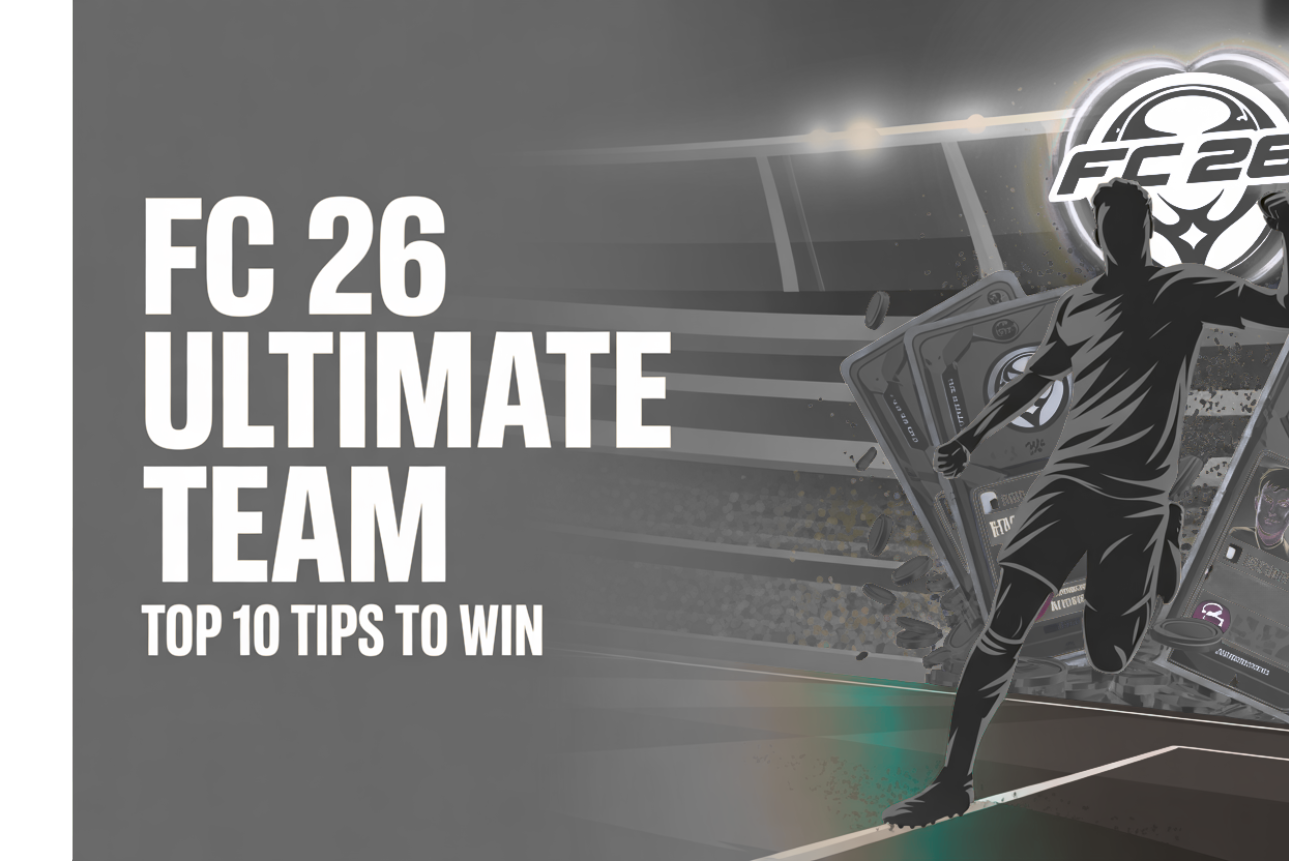
  • FC 26 Launches With Big Improvements—and Big Debates

    FC 26 Launches With Big Improvements—and Big Debates

    EA Sports FC 26: A Game of Two Halves

    The latest entry in EA’s football franchise, EA Sports FC 26, has officially launched, bringing with it fresh mechanics, deeper career elements, and the inevitable debates over Ultimate Team. Reviews so far suggest a game that takes a meaningful step forward on the pitch, but still wrestles with the same issues off it.


    Strong First Impressions, With Some Caveats

    On review aggregators, FC 26 is averaging in the mid-80s—“Mighty” on OpenCritic and “generally favorable” on Metacritic. Critics highlight improved gameplay responsiveness, smart new systems, and a more engaging Career Mode.

    That said, player reviews tell a slightly more mixed story. While many celebrate FC 26 as a significant upgrade over last year’s installment, others have flagged technical problems on PC, cluttered menus, and frustrations with monetization.


    New Gameplay Approach: Competitive vs. Authentic

    One of the biggest changes this year is the split between Competitive and Authentic gameplay modes.

    • Competitive Mode: Designed for online play, it feels faster, sharper, and more arcade-like—ideal for high-paced FUT matches.
    • Authentic Mode: Tuned for realism, with more deliberate pacing, tactical depth, and physical play—better suited for offline and career experiences.

    Critics widely agree this is one of the smartest moves EA has made in years, giving players two tailored experiences instead of forcing one style across all modes.


    Career Mode Gets a Boost

    Career Mode, long beloved by fans, finally feels refreshed. New features include:

    • Unexpected Events that disrupt mid-season narratives.
    • Improved youth systems and more detailed player development.
    • Smarter, evolving goalkeepers that add realism.

    Some reviewers even noted that FC 26’s Career Mode now carries shades of Football Manager, offering more depth than past editions.


    The Ultimate Team Debate

    As always, Ultimate Team (FUT) sits at the center of the conversation.

    • New Live Events encourage creative squad building and short-term goals.
    • However, the addition of a Season Pass system—with exclusive rewards and Icons locked behind it—has drawn criticism.

    For many, FUT feels more polished and fun to play than last year, but the aggressive monetization continues to divide opinion.


    Presentation and Atmosphere

    When it comes to visuals and immersion, FC 26 doesn’t disappoint. Stadiums feel alive, broadcast-style overlays add authenticity, and player likenesses remain best-in-class.

    But not everything shines: menus are clunky, some commentary lines feel recycled, and navigation can be a chore.


    What Critics and Players Are Saying

    • PC Gamer praised FC 26 as “the strongest evolutionary step in years,” but called the menus “a mess.”
    • GamesRadar+ lauded the dual gameplay modes but noted FUT’s monetization still leaves a sour taste.
    • Push Square gave it a 7/10, describing great gameplay but an ecosystem weighed down by spending prompts.
    • Fans on Reddit split between enjoying smoother, more responsive gameplay and frustration with bugs, defending mechanics, and FUT coin farming exploits.

    Strengths and Weaknesses

    👍 Strengths

    • Noticeably improved gameplay flow.
    • Dual Competitive/Authentic modes offer real choice.
    • Career Mode feels deeper and more dynamic.
    • Visual and presentation quality remains unmatched.

    👎 Weaknesses

    • Aggressive monetization in FUT and the Season Pass.
    • Clunky menu design.
    • Technical issues, especially on PC.
    • Some features feel recycled rather than new.

    Final Verdict

    EA Sports FC 26 is an evolution, not a revolution. On the pitch, it’s one of the best entries in years—fluid, fun, and versatile thanks to its new gameplay presets. Off the pitch, though, FUT’s monetization, technical hiccups, and dated menus continue to drag the series down.

    For Career Mode and offline fans, FC 26 is arguably the strongest in years. For Ultimate Team players, it may depend on how much tolerance you have for the grind—or your willingness to spend.


    Conclusion

    With FC 26, EA has shown it can still push its flagship franchise forward in meaningful ways. The gameplay feels sharper, Career Mode is richer, and stadium immersion is stronger than ever. But until FUT strikes a better balance between fun and fairness, this will remain a series of two halves: brilliance on the pitch, controversy off it.

    The big question: Will EA keep building on these improvements, or will FUT’s monetization continue to define the series?

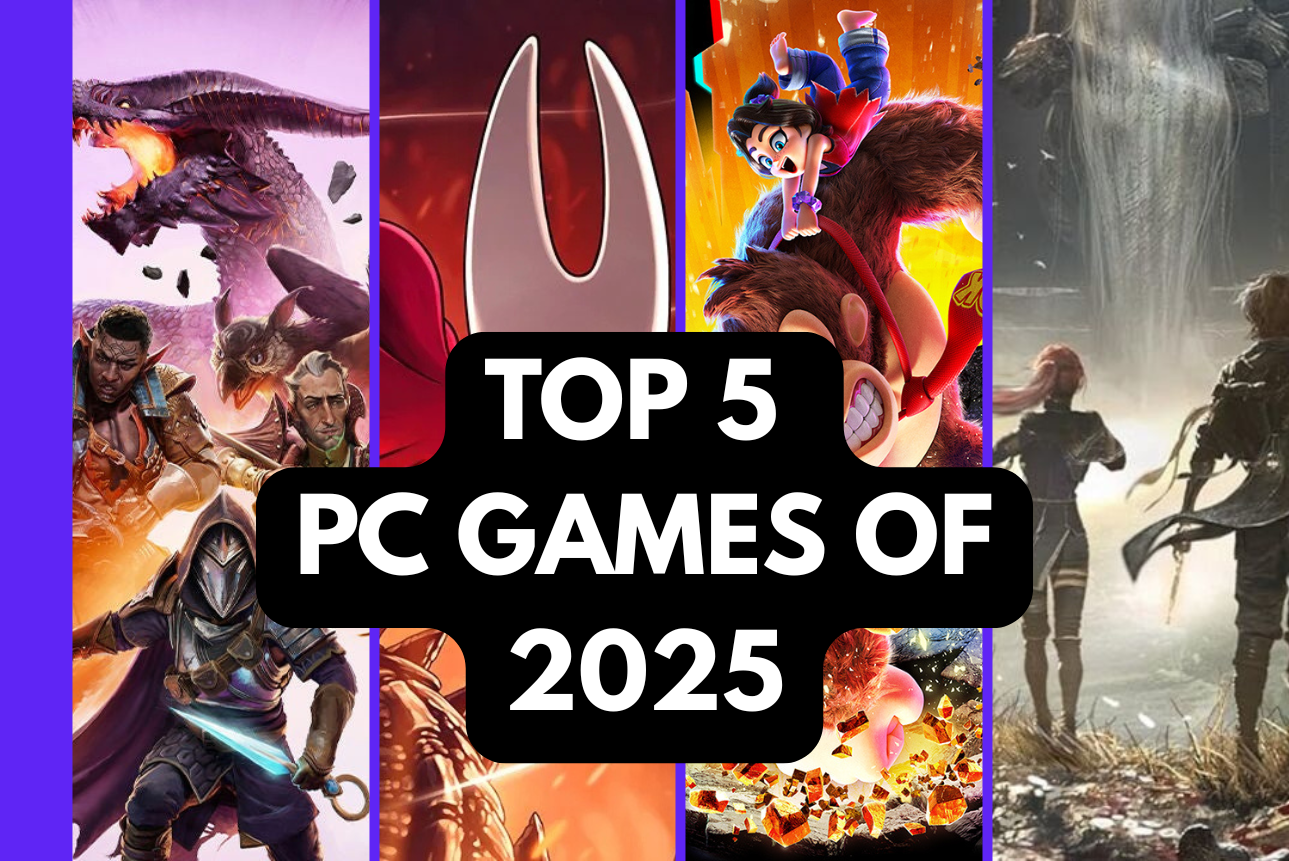
  • 2025’s Biggest Game Launches Reviewed: Wins, Woes, and What Comes Next

    2025’s Biggest Game Launches Reviewed: Wins, Woes, and What Comes Next

    Gaming in 2025: A Mixed Bag of Launches

    The gaming world is rarely quiet, but 2025 has been especially packed with big releases. From long-awaited sequels to experimental indies, the past few months have delivered a wide spectrum of titles—and reactions. Some launches are being hailed as instant classics, while others face technical woes or mixed reviews. Here’s a roundup of how some of the most notable new games are faring.


    Silent Hill f — A Strong Horror Revival

    Konami’s Silent Hill f has quickly proven there’s still a massive appetite for narrative horror. Selling over one million copies in just four days, the game is outperforming the 2023 remake of Silent Hill 2. Critics have praised its chilling storytelling, monster design, and atmosphere, with reviews averaging in the mid-80s on Metacritic.

    Some players have flagged pacing issues and minor bugs, but overall, this feels like a landmark moment for the franchise—a true return to form.

    Takeaway: Horror is alive and well, and Konami seems to have found the right formula for modern audiences.


    Hades 2 — A Rare Sequel Success

    Few games were as beloved as Hades, so expectations for its sequel were sky-high. Fortunately, Hades 2 has not only met those expectations but arguably surpassed them.

    Having exited early access, the game now sits at “Overwhelmingly Positive” on Steam and recently more than doubled the original game’s peak concurrent players. Fans highlight its refined combat, expanded character relationships, and a deeper, richer world.

    Takeaway: Supergiant Games shows how to make a sequel that feels familiar yet fresh—listening to fans while expanding scope and ambition.


    Borderlands 4 — Fun Buried Under Frustration

    Gearbox’s Borderlands 4 was supposed to bring the looter-shooter franchise roaring back. Instead, its launch has been marred by performance issues, frequent crashes, and stability problems, leading to “Mostly Negative” user reviews on Steam.

    A day-one patch has alleviated some problems, but the rocky debut has overshadowed the game’s trademark humor, chaotic co-op, and over-the-top loot systems.

    Takeaway: Technical stability remains critical. Even beloved franchises can struggle if they stumble at launch.


    Stormgate — RTS Revival or Growing Pains?

    From former StarCraft and Warcraft developers, Stormgate was pitched as the spiritual successor to classic RTS. After leaving Early Access, it launched to mixed reviews, with around 50% positive user ratings on Steam.

    Players enjoy its tactical depth and clear nods to RTS history, but others criticize balance issues, lack of polish, and a thin feature set at launch. The developers stress this is just the beginning of a long development roadmap.

    Takeaway: RTS fans may need patience, but Stormgate could grow into something special with sustained support.


    Hollow Knight: Silksong — Finally Here, and Worth the Wait

    After years of delays, Silksong finally launched in September 2025. The follow-up to the indie darling Hollow Knight has been met with critical acclaim, praised for its fluid combat, expanded world design, and stunning art direction.

    Fans highlight how it respects the DNA of the first game while introducing fresh mechanics and a new protagonist, Hornet. Some reviews note the difficulty spike feels harsher, but for many, that’s part of the charm.

    Takeaway: Sometimes, patience pays off—Silksong is shaping up to be another indie classic.


    What These Launches Tell Us

    The mixed receptions of these titles highlight a few trends:

    • Quality control at launch is more important than ever. Borderlands 4’s issues show how technical stumbles can dominate conversation.
    • Sequels can succeed—if they evolve meaningfully. Both Hades 2 and Silksong prove that iterative design with fresh twists resonates.
    • Niche genres are thriving again. Silent Hill f and Stormgate show that horror and RTS can still find passionate audiences when executed well.
    • Indie creativity remains vital. Games like Silksong remind us that small teams can produce industry-defining experiences.

    Conclusion

    2025’s game launches reveal a landscape in flux. Some titles are runaway hits, others need more time and patchwork, and a few fall somewhere in the middle. What’s clear is that player expectations are higher than ever—polish, innovation, and community engagement are essential for long-term success.

    The question is: which of these games will we still be talking about in five years?