Blog

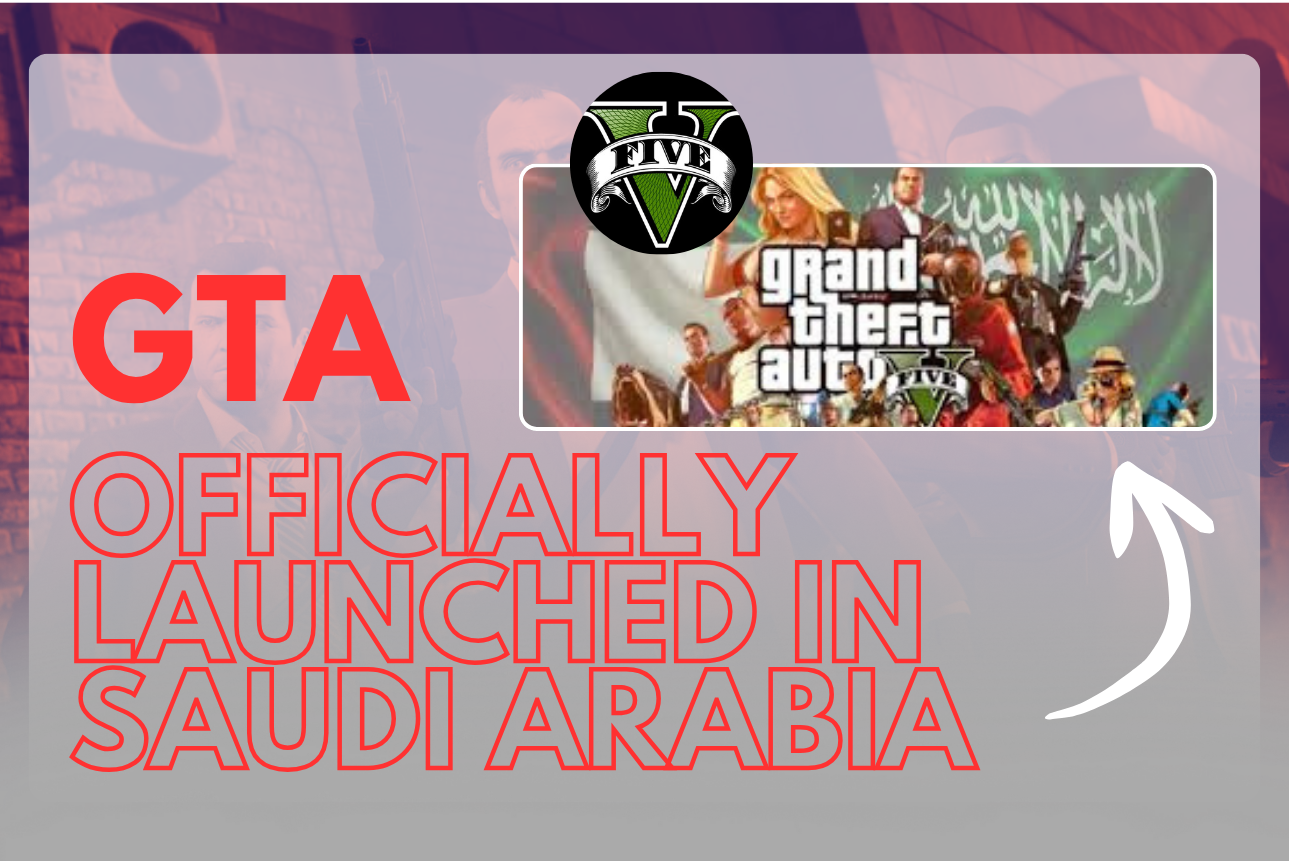
  • Rockstar Shakes Up the GTA Formula: New Leadership, Online Updates, and Next-Gen Upgrades

    Rockstar Shakes Up the GTA Formula: New Leadership, Online Updates, and Next-Gen Upgrades

    Rockstar’s Grand Theft Auto: A Franchise in Motion

    Few game series capture global attention like Grand Theft Auto. With the promise of GTA 6 on the horizon, Rockstar Games has made headlines in recent weeks with updates, delays, and long-term community investments. While some of the news has left fans anxious, the bigger picture suggests a franchise in transition and evolution—one that’s positioning itself for its next defining era.


    Dan Houser Bows Out of GTA 6 Storytelling

    Rockstar co-founder and lead writer Dan Houser confirmed that he had no involvement in shaping GTA 6. Given Houser’s role in crafting the series’ most memorable narratives, that revelation surprised many. Yet Houser himself expressed confidence, saying he believes the new creative team will deliver a story “great in its own way.

    For Rockstar, this marks a new era of storytelling—an opportunity for fresh voices to redefine what Grand Theft Auto can be in the modern gaming landscape.


    GTA 6 Delayed to May 2026

    Originally expected in 2025, Rockstar has delayed GTA 6 to May 26, 2026. Delays are never popular, but Rockstar’s reasoning is clear: extra time means higher polish, smoother systems, and a more ambitious world.

    Given the studio’s track record, fans may take comfort in knowing Rockstar typically delivers when it waits. After all, GTA V and Red Dead Redemption 2 both benefited from extended development cycles—and went on to set industry benchmarks.


    GTA Online Keeps Players Engaged

    While players wait for GTA 6, Rockstar continues to invest heavily in GTA Online. The latest update, “Money Fronts,” adds new businesses that act as money-laundering fronts—ranging from car washes to helicopter tours. It also introduces new vehicles, missions, and gameplay hooks.

    These updates not only keep the online community thriving but also experiment with systems that could influence the design of future GTA entries.


    Rockstar Embraces the RP Community

    Rockstar recently announced official support for NoPixel 5.0, one of the largest roleplay servers built on GTA V. This endorsement signals something important: Rockstar recognizes how central RP communities have become to the game’s longevity.

    With Rockstar now owning the team behind the popular FiveM modding framework, fans are wondering whether RP tools could be integrated into GTA 6 itself. If so, it could mark a major leap for the franchise.


    GTA V Still Going Strong

    Even as attention shifts to the next installment, Rockstar hasn’t abandoned its flagship. As of March 2025, PC players received a free next-gen upgrade for GTA V, bringing features like ray tracing, faster loading, and higher resolutions. It’s a reminder that Rockstar is still committed to supporting legacy titles while preparing for the future.


    Conclusion: A Transitional Moment for GTA

    The past few months highlight a franchise at a crossroads. Rockstar is:

    • Shifting creative leadership with Dan Houser’s departure.
    • Delaying GTA 6 to prioritize quality.
    • Expanding GTA Online with fresh mechanics.
    • Backing roleplay communities in a way that could influence the future.
    • Keeping GTA V alive with meaningful upgrades.

    Taken together, these moves suggest Rockstar isn’t just maintaining momentum—it’s actively reshaping the future of Grand Theft Auto. For players, the wait until 2026 may feel long, but the road there looks packed with updates, experiments, and possibilities.

    The bigger question is: Will GTA 6 redefine the open-world formula once again—or will Rockstar’s new direction bring surprises no one expects?


  • Xbox Game Pass Restructures With Expanded Libraries and New Perks

    Xbox Game Pass Restructures With Expanded Libraries and New Perks

    Microsoft has announced a significant update to its Xbox Game Pass service, reworking subscription tiers and introducing more value for players who want access to the biggest and most diverse game libraries. While prices are increasing—most notably for Game Pass Ultimate—the new structure provides more clarity, flexibility, and features for different kinds of players.

    A Clearer Tier System

    The new three-tier model is designed to better match gamers’ needs:

    • Game Pass Essential – $9.99 / £6.99 / €8.99
      • Offers 50+ curated titles across console, PC, and cloud.
      • Ideal for casual players who want quality over quantity.
    • Game Pass Premium – $14.99 / £10.99 / €12.99
      • Expands the library to 200+ games.
      • A strong middle ground for players who want breadth without going all-in.
    • Game Pass Ultimate – $29.99 / £22.99 / €26.99
      • Includes over 400 games, 75+ day-one releases per year, access to Fortnite Crew, Ubisoft+ Classics, and upgraded cloud gaming performance.
      • Perfect for core gamers who want the full ecosystem.

    A Stronger Ultimate Package

    The Ultimate tier stands out as a powerhouse subscription. Beyond its massive library and day-one releases, Microsoft is integrating third-party perks like Ubisoft+ Classics and Fortnite Crew, making it more of an all-in-one gaming hub. The company has also pledged to improve cloud gaming quality, which could make playing blockbuster titles on lower-spec devices even smoother.

    Investment in Game Pass Continues

    Microsoft has been steadily increasing its investment in Game Pass. According to Chris Charla, head of ID@Xbox, this year represents the largest investment in Game Pass to date, with dozens of studios signing their first Game Pass deals. That means more variety, more indies, and more big-name titles hitting the service.

    Despite some criticism around subscription models, Game Pass has delivered record growth—nearly $5 billion in annual revenue last year—and Microsoft appears committed to using those resources to expand what players get, rather than shrinking offerings.

    Why This Could Benefit Players

    While higher prices are never welcome news, the shift can also be seen as Game Pass maturing. The tiers now clearly distinguish between casual, mid-level, and dedicated players. Those who want to dabble in a curated library can opt for Essential, while those who live for day-one blockbuster launches will find Ultimate unmatched in scope.

    This new Rewards integration—requiring gift card conversion—may also help users manage their subscriptions more flexibly, potentially stacking discounts or using rewards toward other purchases.


    Conclusion

    The changes to Xbox Game Pass mark an evolution in Microsoft’s vision for gaming subscriptions. By offering tiered options and packing more into its Ultimate plan, the company is betting that players will see the service as more than just a way to access games—it’s becoming a central gaming ecosystem.

    For gamers, the big question is less about cost and more about value: with hundreds of games, day-one access, and new perks, is Game Pass Ultimate now the best deal in gaming?

  • Microsoft Raises Xbox Game Pass Ultimate Price Despite Record Revenues

    Microsoft Raises Xbox Game Pass Ultimate Price Despite Record Revenues

    Microsoft has announced a major shake-up to its Xbox Game Pass subscription service, including a significant price increase for its top tier, Game Pass Ultimate. The move comes just a year after the company reported nearly $5 billion in annual subscription revenue, raising questions about the balance between profitability and accessibility for gamers.

    The New Pricing Structure

    As of October 2025, Game Pass will operate under a three-tier model:

    • Game Pass Essential – $9.99 / £6.99 / €8.99 per month
      • Offers 50+ curated games across console, PC, and cloud
    • Game Pass Premium – $14.99 / £10.99 / €12.99 per month
      • Expands the library to 200+ titles
    • Game Pass Ultimate – $29.99 / £22.99 / €26.99 per month
      • Includes 400+ games, 75+ day-one releases annually, access to Fortnite Crew, Ubisoft+ Classics, and enhanced cloud gaming quality

    Importantly, day-one releases are now exclusive to the Ultimate tier, a change likely to push many users toward the highest-priced option.

    Impact on Existing Subscribers

    • Current Standard subscribers will be automatically moved to the new Premium tier.
    • PC Game Pass remains available with day-one titles and Ubisoft games but has also increased in cost, now $16.49 / £13.49 monthly.
    • Microsoft Rewards points can no longer be redeemed directly for Game Pass subscriptions; players must now convert points into gift cards to cover the cost.

    Why the Change Now?

    The timing is notable. Just last year, Microsoft’s Xbox division saw an 18% revenue increase, bringing its total to $76.4 billion. Game Pass was a major driver, yet the company faces ongoing criticism over profitability and whether subscription services hurt traditional game sales.

    Chris Charla, head of ID@Xbox, defended the model in a recent Eurogamer interview, calling this year Microsoft’s “largest investment in Game Pass to date,” with more teams signing their first deals than ever before.

    Still, the higher pricing suggests Microsoft is attempting to better align costs with content delivery—especially as Game Pass grows to include third-party services and exclusive partnerships.

    What This Means for Gamers

    While the value proposition of Game Pass Ultimate remains strong—offering hundreds of games, new releases, and perks—its steep price hike may put pressure on players already facing rising console and game costs. The increase also comes shortly after Microsoft raised Xbox hardware prices in the U.S., further amplifying concerns about accessibility.

    For casual players, the Essential or Premium tiers may offer more affordable entry points, but those seeking day-one access to blockbuster titles now have little choice but to commit to the most expensive subscription.


    Conclusion

    Microsoft’s Game Pass overhaul underscores the tension between delivering value to players and ensuring long-term profitability for subscription services. As the gaming industry increasingly shifts toward all-in-one platforms and streaming models, the real question is whether fans will stick with the higher-priced Ultimate tier—or seek alternatives.

    How much are players willing to pay for convenience and day-one access? That may determine the future of Game Pass as the industry standard.

  • The Top Gaming Influencers in 2025: Who’s Leading, Why They Matter

    The Top Gaming Influencers in 2025: Who’s Leading, Why They Matter

    Introduction

    Gaming influencer culture has matured. No longer just streamers playing games for fun, these creators are media brands in themselves — shaping trends, driving engagement, and bridging the gap between audiences and publishers. In 2025, a new mix of veterans and rising stars is dominating. For gaming companies, understanding these voices is key to effective marketing and partnership strategies.


    What Makes a “Top” Gaming Influencer Today?

    Before diving into names, it’s useful to define criteria:

    • Reach & Engagement: Beyond raw follower counts, how engaged is the audience?
    • Authenticity & Niche Authority: Influencers who specialize in certain genres or platforms tend to build stronger trust.
    • Cross-Platform Presence: Success across Twitch, YouTube, TikTok, etc.
    • Brand Fit & Collaboration History: Have they successfully worked with games/publishers before?
    • Content Versatility: Ability to mix gameplay, commentary, challenges, IRL, or events.

    With those benchmarks, here are some of the most influential gaming creators in 2025.


    Noteworthy Gaming Influencers in 2025

    Clix

    • Real name: Cody Conrod
    • Platform: Twitch & YouTube
    • Focus: Fortnite & battle royale content
    • Why he matters: Clix has built a dual role as both pro player and content creator. He was honored as Fortnite Streamer of the Year in 2024, and in 2025 Epic added him as a playable character in Fortnite. Wikipedia
    • Brand potential: His competitive credibility and youth appeal make him a strong candidate for partnerships targeting younger audiences, especially in the esports & gear space.

    SypherPK

    • Real name: Ali Hassan
    • Platforms: Twitch, YouTube
    • Focus: Fortnite, Warzone, general battle royale & educational content
    • Why he matters: SypherPK has a stable following and deep credibility for tutorials, strategy, and community engagement. He’s been active in brand collaborations and merchandise. Wikipedia
    • Brand potential: Good match for long-term campaigns, especially for products that require trust (gear, peripherals, learning resources).

    Jynxzi

    • Platform: Twitch, YouTube
    • Focus: Rainbow Six Siege & competitive first-person shooters
    • Why he matters: One of the top-subscribed Twitch streamers, known for glowing growth. Wikipedia
    • Brand potential: Ideal for publishers/publishers in FPS space or tactical shooters, especially for launch events or esports tie-ins.

    Nihachu

    • Platform: Twitch, YouTube
    • Focus: Mixed content — Minecraft, “Just Chatting,” social / community streams
    • Why she matters: Nihachu has built a broad appeal across gaming and lifestyle, and maintains a strong community feel. Wikipedia
    • Brand potential: Good for crossover campaigns, community engagement, mental health, indie/creative games.

    Tubbo

    • Focus: Minecraft & creative content
    • Why he matters: As part of the Minecraft / Dream SMP ecosystem, Tubbo has both reach and influence in one of gaming’s most stable verticals. Wikipedia
    • Brand potential: Excellent for sandbox, creative game launches, kid/teen markets, and community-driven campaigns.

    Sketch (TheSketchReal)

    • Platform: Twitch & YouTube
    • Focus: Sports and gaming crossover (Madden, etc.)
    • Why he matters: Known for a viral catchphrase “What’s up, brother?”, Sketch blends niche gaming content with broad appeal. Wikipedia
    • Brand potential: Appeals where sports meets gaming, or for campaigns looking for a more casual, energetic voice.

    Trends Reflected by These Influencers

    1. Hybrid Content Models
      Many top influencers are not just streaming gameplay — they mix in IRL stories, reaction content, or genre diversifications. That versatility gives them resilience.
    2. Genre Credibility Matters
      Influencers like Jynxzi (FPS) or Clix (Battle Royale) demonstrate how deep expertise in a niche can be more valuable than generalist fame.
    3. Talent as IP & Brand
      Some are evolving from “influencers” into full brands, with merchandise, licensing, and creative ventures. This elevates their potential in long-term partnerships.
    4. Cross-Platform Leverage
      To remain relevant, today’s influencers must engage audiences on TikTok, YouTube Shorts, Instagram, and more — not just long-format streaming.

    What Gaming Businesses Should Do with This Insight

    • Partner Strategically: Match influencer niche to your game’s genre or audience. Don’t just pick the biggest name.
    • Design Campaigns That Fit Their Voice: Let them be authentic. A forced style kills credibility.
    • Invest in Long-Term Relations, Not One-Offs: Continual collaboration with influencers builds trust among their audience.
    • Leverage Their Data: Work with creators who share engagement metrics, audience demographics, and learnings.
    • Use Influencer Feedback Early: Include them in playtests or early access—makes them feel ownership and gives your project early exposure.

    Conclusion

    In 2025, top gaming influencers are more than entertainers — they are strategic media partners. Clix, SypherPK, Jynxzi, Nihachu, Tubbo, and Sketch each bring different strengths, from competitive credibility to broad community appeal.

    For gaming brands, the opportunity lies in aligning your product with the right voice, co-creating content, and leveraging these creators not just for reach, but for sustained brand connection in an ever-crowded digital space.

  • The Importance of D2C in the Mobile Game Industry

    The Importance of D2C in the Mobile Game Industry

    Introduction

    The mobile gaming market has become one of the most competitive and dynamic segments of the digital economy. Publishers are under pressure to deliver consistent updates, manage multiple distribution channels, and engage players directly while navigating complex integrations. In this environment, the Direct-to-Consumer (D2C) model is gaining momentum as a more efficient and profitable approach for game monetization. Yet adopting D2C is not without its challenges.

    Platforms like Kalixo are designed to remove these barriers, providing a streamlined, white-label infrastructure that connects brands, channels, and users seamlessly.


    Why D2C Matters in Mobile Gaming

    1. Stronger Brand Control

    Traditional distribution through third-party marketplaces often dilutes brand visibility. A D2C model allows publishers to maintain direct ownership of the customer relationship, from payment experience to community management. This not only strengthens brand identity but also ensures that promotional strategies are fully aligned with business goals.

    2. Higher Margins and Revenue Optimization

    By bypassing intermediary platforms, developers can reduce commission costs and retain more of their revenue. D2C channels also allow for tailored pricing, regional promotions, and reward systems that maximize player lifetime value.

    3. Data-Driven Insights

    Owning the customer journey means owning the data. D2C platforms enable publishers to analyze player behavior, purchase patterns, and engagement levels. These insights are critical for product development and for designing personalized offers that drive conversion.


    The Challenges of Going D2C

    Despite its benefits, adopting a D2C strategy presents obstacles:

    • Complex Integrations: Payment methods, regional compliance, and storefront management can be resource-intensive.
    • Content Updates: Mobile games are updated frequently, and syncing those changes across multiple channels can be a logistical burden.
    • Customer Trust: Building credibility outside of established app stores requires strong security and seamless user experiences.

    How Kalixo Removes the Pain Points

    Kalixo provides a white-label solution built specifically to address these issues.

    • Seamless Integrations: Our platform connects directly with payment providers, marketing tools, and user databases, minimizing technical overhead.
    • Automated Updates: Game patches, content drops, and promotional events are synchronized across channels, ensuring consistency without extra effort.
    • Security by Design: Built-in compliance and fraud-prevention tools safeguard transactions, reinforcing trust between publisher and player.
    • Scalable Infrastructure: Whether you are launching in a single market or expanding globally, Kalixo adapts to demand without compromising performance.

    With Kalixo, publishers gain all the advantages of D2C — greater margins, richer data, and direct customer relationships — without the complexity that usually comes with it.


    Conclusion

    The D2C model is no longer optional for mobile game publishers who want to remain competitive. It offers control, profitability, and insight, but it also demands infrastructure that many studios cannot maintain on their own. Kalixo exists to bridge that gap, enabling publishers to focus on what matters most: creating engaging games while we handle the operational challenges behind the scenes.

    As the industry evolves, the companies that embrace D2C with the right tools will be best positioned to thrive in a crowded, fast-moving market.

  • From Vice City to Massive Launch: Where GTA 6 Stands in 2025

    From Vice City to Massive Launch: Where GTA 6 Stands in 2025

    Introduction

    Few games generate the kind of anticipation that Grand Theft Auto VI does. More than a decade after the release of GTA V, Rockstar Games is preparing to launch its most ambitious project yet. With an official release date set, a modernized Vice City confirmed as the setting, and promises of an unprecedented scale, GTA 6 is already positioned as one of the defining titles of this generation. Yet the journey has not been without delays, questions, and risks. Here’s where the game stands today in 2025.


    Release Date and Delay

    Rockstar has announced that GTA 6 will release on May 26, 2026, exclusively for PlayStation 5 and Xbox Series X|S at launch.

    The game was initially expected in Fall 2025, but Rockstar opted for a six-month delay, citing the need for additional development time to meet quality standards. While disappointing to fans, the delay reflects Rockstar’s track record of pushing dates in order to refine projects. Industry analysts have suggested the decision may help avoid direct competition with other major holiday releases, potentially giving GTA 6 more breathing room in the market.


    Setting: A New Vice City

    The game will return players to a reimagined Vice City, one of the franchise’s most iconic locations. Unlike the neon-soaked 1980s aesthetic of GTA: Vice City (2002), this version is set in the present day and expands far beyond the city limits. Players will be able to explore surrounding areas inspired by Florida’s swamps, rural towns, and coastlines, promising one of Rockstar’s most diverse open worlds yet.


    Protagonists and Story

    For the first time in the series, GTA 6 will feature a female protagonist. The game follows Lucia Caminos and Jason Duval, a duo whose dynamic has been described as reminiscent of Bonnie and Clyde. Early trailers suggest the narrative will explore themes of loyalty, crime, and survival in a modern criminal underworld.

    The dual-character system builds on GTA V’s successful three-protagonist structure, offering players multiple perspectives while keeping the focus tight. Whether this will translate into branching missions or distinct character arcs remains to be seen.


    Scale and Expectations

    Rockstar has publicly stated that GTA 6 could mark “the largest game launch in history.” While specifics are scarce, early indications point to:

    • A map significantly larger than GTA V’s Los Santos region.
    • A denser urban environment in Vice City, with more interior spaces and interactive locations.
    • Expanded AI systems to bring crowds, traffic, and police responses closer to real-world behavior.

    The scope of these ambitions makes GTA 6 one of the most technically demanding games currently in development, which likely contributed to its delay.


    What Remains Uncertain

    • PC Release: Rockstar has not confirmed whether GTA 6 will come to PC at launch or later, continuing a pattern seen with earlier titles.
    • Pricing and Editions: Regional leaks suggest premium pricing, but no official figures or special editions have been revealed.
    • System Performance: How the game will balance resolution, frame rate, and detail across current-gen consoles is still unknown.
    • Online Mode: No details have been shared about the multiplayer component, though expectations are high after GTA Online’s success.

    Risks and Challenges

    • Managing Expectations: After more than 12 years since GTA V, anticipation is unprecedented. Meeting or exceeding that bar will be a challenge.
    • Development Costs: Reports suggest GTA 6 is one of the most expensive games ever developed. A misstep at launch could be costly.
    • Cultural Scrutiny: GTA titles often spark debates around content and representation. The introduction of a female lead may shift discussions but could also attract renewed attention from critics.
    • Potential Delays: While Rockstar is confident about May 2026, its history of postponements means another delay can’t be ruled out.

    Outlook: The Road to 2026

    Between now and release, fans can expect a ramp-up in marketing — likely including a second major trailer, gameplay showcases, and details about editions and pricing. Financial updates from Take-Two Interactive later this year may also provide further clarity on progress.

    For now, GTA 6 represents both a continuation of Rockstar’s legacy and a test of its ability to meet modern expectations. If delivered successfully, it could set a new benchmark for open-world design and cement its place as one of the most impactful releases in gaming history.


    Conclusion

    As of late 2025, GTA 6 stands at a pivotal point. The setting, characters, and ambition are clear; the risks and uncertainties are equally visible. What remains is execution. If Rockstar delivers on its promises, the return to Vice City could mark not just a new chapter for the franchise, but a landmark moment for the gaming industry as a whole.

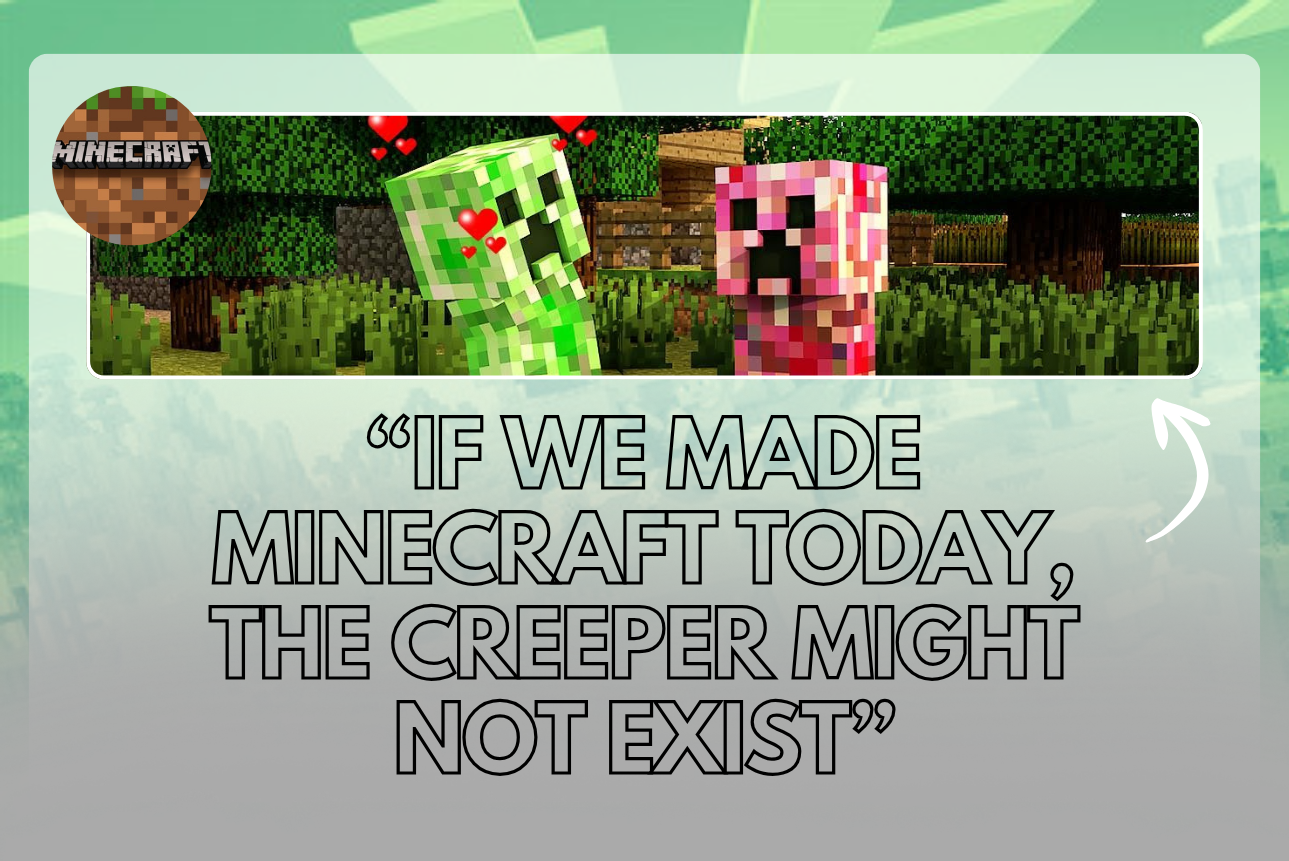
  • Copper, Visual Upgrades & VR Farewell: What’s New in Minecraft (2025)

    Copper, Visual Upgrades & VR Farewell: What’s New in Minecraft (2025)

    Introduction

    Minecraft remains one of the most influential games in the world, and 2025 shows why. More than a decade after its release, Mojang continues to expand the sandbox with new mechanics, graphical enhancements, and evolving technical decisions. The latest developments include the Copper Age update, a major step toward more advanced crafting and storage; the long-awaited Vibrant Visuals refresh; and the surprising decision to end official VR support. Together, these moves highlight both the challenges and opportunities of keeping a game fresh without losing its core identity.


    The Copper Age Update

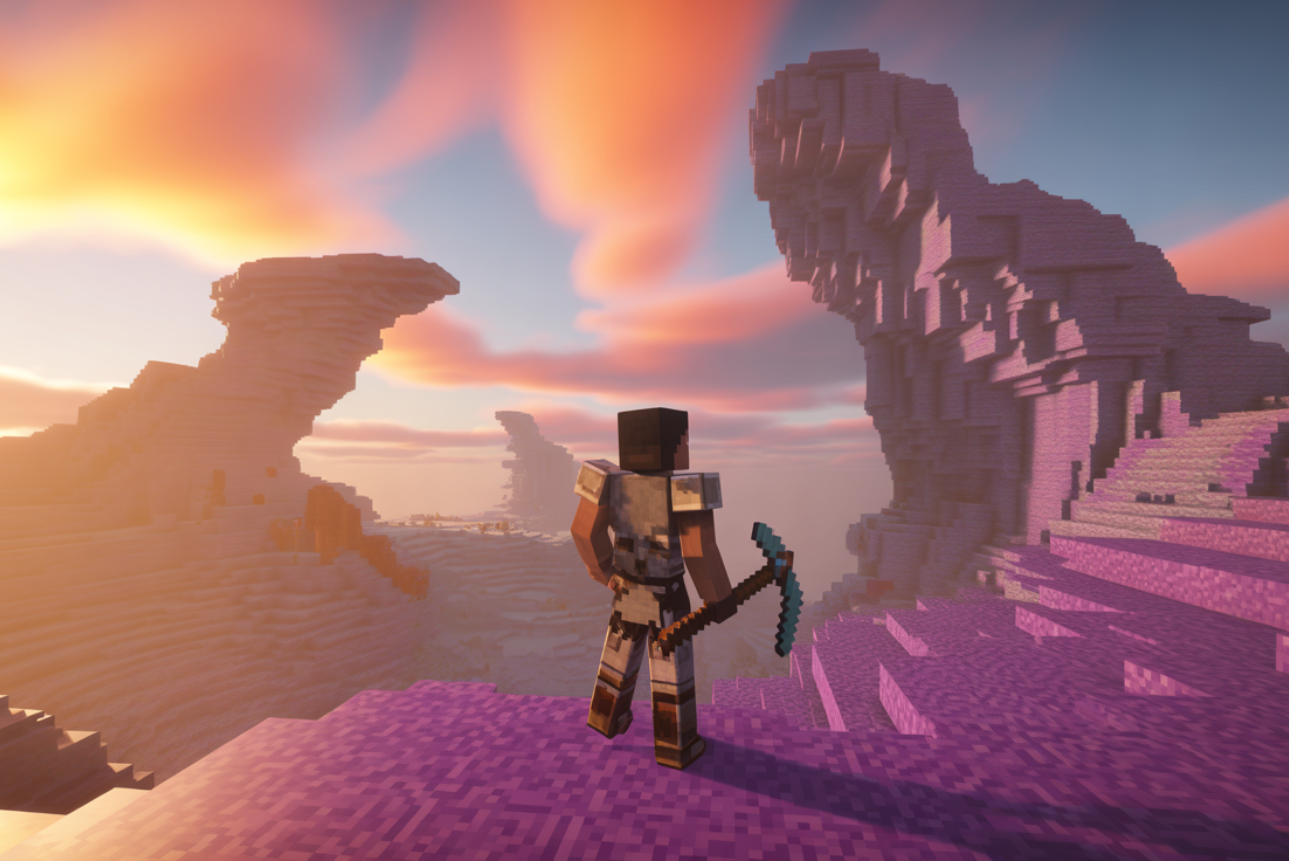
    The most prominent addition this year is the Copper Age, the third major “game drop” of 2025. This update expands copper’s role far beyond its earlier decorative use, introducing tools, storage systems, and new utility mobs.

    Key features include:

    • Copper Tools & Weapons: A full set of copper gear—pickaxes, swords, and more—bridging the gap between stone and iron.
    • Copper Golems: Helpful allies that interact with copper chests, organizing items automatically. Players can also switch them into statue mode with four distinct poses.
    • Copper Chests & Pipes: New storage mechanics that allow for more complex item management.

    The Copper Age is currently available in Java snapshots and Bedrock betas, giving players a chance to test features before they become part of the stable release. Mojang has been rolling out incremental pre-releases, addressing performance issues (such as lag caused by golems) and fine-tuning user interface elements.

    This approach reflects a broader trend in Minecraft development: content is introduced gradually, refined with community feedback, and polished for long-term integration.


    Vibrant Visuals: A New Look for Minecraft

    For years, fans have debated whether Minecraft should evolve visually without losing its blocky charm. In 2025, Mojang answered with Vibrant Visuals, a graphical update announced at Minecraft Live.

    The update introduces:

    • Improved Textures with richer detail.
    • Directional Lighting for more realistic shadows.
    • Volumetric Fog and Reflections that add depth and atmosphere.

    Importantly, Vibrant Visuals is optional. Players can toggle it on or off, ensuring older hardware and classic gameplay styles remain supported. The update will first arrive on Bedrock Edition for modern consoles and PCs, with Java Edition support to follow.

    By modernizing its look while preserving accessibility, Mojang is signaling a long-term commitment to keeping Minecraft relevant in a gaming landscape defined by high-fidelity visuals.


    Farewell to VR Support

    In contrast to expansion, Mojang also announced a contraction: the end of official VR and mixed reality support. As of the 1.21.80 Bedrock update, Minecraft no longer supports VR devices.

    The decision was framed as a resource choice. Maintaining VR compatibility across multiple platforms required ongoing development that Mojang could no longer justify. While this disappointed a segment of the community, alternatives remain. Modding projects such as Vivecraft (for Java Edition) and QuestCraft (for Meta Quest devices) continue to offer unofficial VR access.

    This marks a shift in Mojang’s priorities—focusing on updates that benefit the largest share of players rather than sustaining niche features.


    Minecraft as a Platform for Learning and Research

    Beyond its updates, Minecraft is increasingly used as a platform outside of entertainment. In education, Minecraft Education Edition has introduced new content that teaches students about AI risks through interactive, story-driven scenarios. Meanwhile, research teams continue to use the game as a testing ground for AI agents that learn to plan, build, and solve problems in open-ended environments.

    This dual identity—both as a commercial game and as a research sandbox—reinforces Minecraft’s cultural and technological significance.


    Outlook: What’s Next for Minecraft?

    Looking ahead, several themes are emerging:

    • Expansion of Copper Age Features: Testing suggests that copper golems and chests may evolve with more functionality.
    • Visual Modernization: Vibrant Visuals could pave the way for further graphical options while keeping the core style intact.
    • Community Engagement: As with past updates, feedback from snapshots and betas will shape the final release.
    • Minecraft Live 2025: Scheduled for late September, this event is expected to reveal the next stage of Mojang’s roadmap.

    Conclusion

    Minecraft’s 2025 updates demonstrate a careful balance between innovation and stability. The Copper Age deepens gameplay, Vibrant Visuals modernizes presentation, and the end of VR support reflects strategic prioritization. Together, they show Mojang’s commitment to evolving Minecraft while respecting its foundations.

    As the game moves into its fifteenth year of active development, one question remains constant: how far can Minecraft continue to grow while staying true to its original vision?

  • Silksong, Daft Punk & Canceled Marvel: A Snapshot of Gaming in 2025

    Silksong, Daft Punk & Canceled Marvel: A Snapshot of Gaming in 2025

    Introduction

    In 2025, the video game landscape is marked by surprising hits, creative crossovers, and sharp reminders of the industry’s volatility. From indie triumphs to high-profile cancellations, this year is already shaping narratives that will echo well beyond their release windows.


    Hollow Knight: Silksong — Indie Thunderbolt

    One of the standout stories is the release of Hollow Knight: Silksong, which shattered expectations. On September 4, 2025, Team Cherry launched the sequel after years of anticipation—and the response was immediate. The game’s release flooded digital storefronts, crashing Steam, the Nintendo eShop, and PlayStation’s store due to demand. Tom’s Hardware

    Silksong’s early metrics are striking. It hit over 535,000 concurrent players on Steam only hours after launch, becoming one of the most-played games ever on the platform—outpacing some major AAA titles. Tom’s Hardware

    What makes this especially impressive is that Silksong is, by design, a “smaller” game: a single-player Metroidvania from a tiny team. Its success signals that even in an era of blockbuster budgets, well-crafted and passionately made indie games can still dominate attention.


    Fortnite × Daft Punk — Gaming Meets Musical Legacy

    In a different vein, Fortnite continues to push the boundaries of how games intersect with pop culture. The game announced “The Daft Punk Experience”, a collaboration with the legendary electronic duo, complete with themed rooms, remixing zones, and immersive interactive elements. The Sun+1

    This isn’t just a cosmetic crossover; it’s a designed event meant to engage fans of both gaming and music. From a game design perspective, it exemplifies how live, temporary events are becoming core to sustaining player engagement and expanding brand reach.


    Canceled Marvel Project — A Jarring Breakdown

    On a more sobering note, a high-profile Marvel game was abruptly canceled after its developer, Cliffhanger Games (owned by EA), was shut down. Many fans had been expecting an action-adventure title, possibly centered around Black Panther. The Sun

    The cancellation reportedly came as part of a larger restructuring within EA. The move stirred backlash online, with players and observers labeling it a “disappointing shambles” given the weight Marvel properties carry and the expectations built around them. The Sun

    This case underscores the risks behind big-licensed games: the financial and strategic demands are high, and the consequences of misalignment—or of shifting corporate priorities—are severe.


    Other Noteworthy Titles & Trends

    • Marvel 1943: Rise of Hydra — A period piece set in WWII with Marvel characters, now pushed to 2026, showing how even major IP-driven projects face delays and uncertainty. GamesRadar+
    • Commandos: Origins — Released April 2025, this real-time tactics game revives a classic series, adding co-op play and more flexible mission approaches. Wikipedia
    • Echoes of the End — Released August 2025, an action-adventure title exploring magical powers and political conflict in a fractured world. Wikipedia
    • Rift of the NecroDancer — A rhythm game released earlier in 2025, which continues to expand via DLC and crossover content. Wikipedia

    Broader Themes & What to Watch

    1. Indie Momentum in a AAA World
      Silksong’s success highlights that excellence, originality, and community support can rival—or even exceed—big-budget games in impact.
    2. Live Content as Core Strategy
      Fortnite’s collaboration shows that episodic events and cross-media tie-ins aren’t just extras—they’re central to retaining player interest.
    3. Volatility Behind the Scenes
      The Marvel project cancellation is a reminder that even high-potential games are vulnerable to internal shifts, budget reallocations, and strategic pivots.
    4. Delays, Sequels & World-Building
      Many big projects (Marvel 1943, etc.) aren’t dead but are stepping back into longer development cycles. The pressure to innovate—visually, narratively, mechanically—is intense.

    Conclusion

    2025 is shaping up as a telling year for games. We’re seeing indie breakthroughs, immersive collaborations, and high-stakes corporate decisions all in close proximity. These stories reflect both the creative potential and the instability inherent in the medium.

    If you like, I can turn this into a monthly gaming newsletter or spotlight one game with deeper analysis (design, mechanics, audience reaction). Which direction do you prefer?

  • Kane, Rashford & Real Madrid: Transfer Talk Heating Up

    Kane, Rashford & Real Madrid: Transfer Talk Heating Up

    Introduction

    The transfer window may be closed, but planning for future moves is already underway. Several high-profile stories are developing, including speculation around Harry Kane’s potential return to Tottenham, Marcus Rashford’s uncertain future at Barcelona, and Real Madrid’s interest in Michael Olise. Each case highlights the mix of financial strategy, player ambition, and long-term planning that shapes the modern transfer market.


    Kane and Tottenham: A Possible Return

    Harry Kane has been a central figure at Bayern Munich since his move from Tottenham in 2023, but reports indicate a €65 million release clause in 2026 could make him available. Tottenham head coach Thomas Frank has indicated the club would welcome him back, fueling discussion about a possible reunion.

    For Spurs, bringing Kane back would mean regaining their record goal-scorer and an experienced leader. For Bayern, it could force an earlier-than-expected search for a new striker. The situation raises practical questions:

    • Would Kane prioritize a Premier League return over continued success in Germany?
    • How would Tottenham structure such a financially demanding deal?
    • Who would Bayern target as a long-term replacement?

    The coming months will determine whether this is simply speculation or the start of a realistic transfer plan.


    Rashford at Barcelona: Promise Meets Constraint

    Marcus Rashford has shown encouraging signs during his loan spell at Barcelona, prompting interest in making the move permanent. His style has fit well in LaLiga, where his pace and movement have added variety to Barcelona’s attack.

    The challenge is financial. LaLiga recently tightened salary regulations, cutting Barcelona’s spending power by close to £100 million. To secure Rashford, the club would likely need to reduce wages elsewhere or negotiate a favorable structure with Manchester United.

    For United, the situation offers leverage. Either Rashford returns to compete for a place under new management, or Barcelona must meet financial terms that reflect his value. Rashford himself will need to weigh the appeal of Barcelona’s style of play against the uncertainty of the club’s financial position.


    Real Madrid and Michael Olise: A Forward Option for the Future

    Real Madrid are reportedly monitoring Michael Olise, the 23-year-old winger currently at Bayern Munich. Olise has impressed with his creativity and consistency, and Madrid see him as a potential long-term option in attack, particularly with ongoing speculation about Vinícius Júnior’s future.

    Bayern, however, are unlikely to allow Olise to leave easily. The club is believed to be preparing a contract extension to secure his future. For Madrid, the pursuit of Olise reflects a broader strategy of maintaining depth and competition in forward areas as the squad evolves.

    Whether this develops into a serious transfer battle will depend on Olise’s willingness to consider a move and Bayern’s success in extending his deal.


    Other Developments

    Beyond these headline stories, several other moves are attracting attention:

    • Gianluigi Donnarumma has reflected on his decision to leave PSG, admitting he had wanted to stay before joining Manchester City.
    • Liverpool are working on a contract extension for Ryan Gravenberch to secure his future amid external interest.
    • Manchester United and Chelsea are both linked with AC Milan goalkeeper Mike Maignan, pointing to potential changes in goalkeeping roles.
    • Lennon Miller, recently signed by Udinese from Motherwell, has yet to make his debut, with the club choosing a gradual integration.

    Why These Stories Matter

    These developments highlight several broader themes:

    • Release clauses and timing: Kane’s situation shows how contractual details shape the market years in advance.
    • Financial regulations: Barcelona’s wage restrictions demonstrate how off-pitch factors can limit transfer ambitions.
    • Squad planning: Madrid’s monitoring of Olise reflects a proactive approach to succession planning at the top level.

    Conclusion

    The transfer market is shaped as much by preparation and negotiation as by the official windows. Kane’s possible return to Tottenham, Rashford’s uncertain status at Barcelona, and Madrid’s interest in Olise all illustrate how player futures are tied to broader financial and strategic decisions.

    As clubs position themselves for the next cycle, these stories will remain central to discussions in the months ahead.

  • Online Gaming Market Outlook: Growth, Drivers, and Challenges

    Online Gaming Market Outlook: Growth, Drivers, and Challenges

    The online gaming industry is set for sustained expansion through 2032, with analysts projecting revenues to nearly double from $225.28 billion in 2025 to $424.14 billion by 2032. According to Fortune Business Insights, this growth reflects a compound annual growth rate (CAGR) of roughly 9.46%.

    For perspective, the market was already valued at $208.33 billion in 2024, underscoring just how quickly online gaming has become one of the dominant sectors in digital entertainment.


    🚀 What’s Driving the Growth?

    Several structural and technological forces are fueling this trajectory:

    1. Mobile Expansion

    The rise of mobile-first gamers is perhaps the single largest driver of growth. Affordable smartphones, wider internet access, and cheaper data—especially in Asia, South America, and parts of Africa—are creating massive new audiences. For many players, mobile is not just the first step but the primary platform for gaming.

    2. Better Connectivity & Cloud Gaming

    Improved broadband infrastructure and the rollout of 5G networks are enabling smoother, more reliable online play. At the same time, cloud gaming and streaming platforms are lowering barriers, allowing players without high-end hardware to access graphically demanding titles.

    3. Social Play, Esports, and Live Services

    Games are no longer just products; they’re ongoing services. From battle passes to seasonal updates, multiplayer and social features keep players engaged longer—and spending more. Esports and live streaming ecosystems amplify this effect, turning games into shared cultural experiences.

    4. Evolving Monetization Models

    The industry has shifted well beyond one-time purchases. Today’s mix includes:

    • Microtransactions
    • Battle passes and subscriptions
    • Free-to-play with in-app purchases

    These models are optimized for player retention and choice, helping publishers grow average revenue per user.

    5. Regulatory Maturity

    Governments worldwide are formalizing rules around online gambling elements, real-money play, and age verification. While sometimes restrictive, these frameworks also make platforms safer and more trusted—encouraging investment and consumer adoption.


    ⚠ Challenges and Risks Ahead

    Despite the bullish forecasts, several headwinds could slow growth or reshape the market:

    1. Regulatory Pressure

    The line between games of skill and games of chance is increasingly contested. India’s Promotion and Regulation of Online Gaming Act, 2025 is one example of how legal ambiguity could disrupt operators. Meanwhile, scrutiny of loot boxes and monetization practices continues worldwide.

    2. Monetization Backlash

    Players are becoming more vocal about exploitative tactics—whether overpriced cosmetics, pay-to-win mechanics, or randomized loot systems. A consumer pushback, or stricter regulation, could force developers to rethink revenue strategies.

    3. Infrastructure Gaps

    While connectivity is improving globally, network reliability, latency, and data costs remain barriers in parts of the developing world. For cloud gaming in particular, stable infrastructure is critical.

    4. Market Saturation & Competition

    Mobile and social gaming markets are already crowded. User acquisition costs are rising, and retaining players in a sea of competing titles is harder than ever.

    5. Economic Pressures

    Global inflation and tighter disposable incomes may dampen spending on games, subscriptions, and hardware. For some markets, this could offset otherwise strong adoption trends.


    🌍 Outlook: Opportunities with Caution

    The online gaming industry is positioned for continued expansion, doubling in value by the early 2030s if current projections hold. Mobile-first adoption, cloud gaming, and live-service ecosystems will likely dominate the next decade of growth.

    However, sustainability depends on balancing innovation with responsibility—both in how games are monetized and in how governments regulate them. For publishers, success may hinge less on raw growth and more on how effectively they adapt to an evolving, and increasingly critical, global audience.